
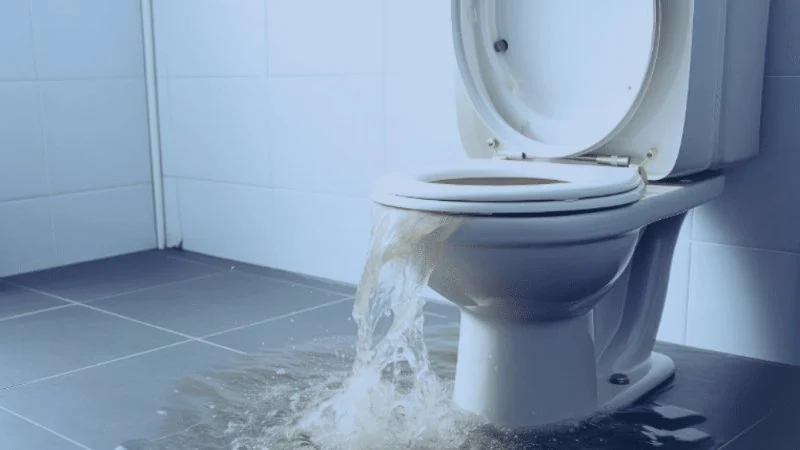
- 1 - Introduction to Water Damage from Overflowing Toilets
- 2 - Common Causes of Overflowing Toilets
- 3 - Immediate Actions to Take After a Toilet Overflows
- 4 - Preventative Measures to Avoid Future Overflow
- 5 - When to Call a Professional for Water Damage
1 - Introduction to Water Damage from Overflowing Toilets
Water damage caused by an overflowing toilet can be a homeowner's nightmare. It not only causes potential damage to flooring, walls, and other structures, but it can also lead to health risks due to the contamination from sewage water. In this article, we will walk through the common causes of overflowing toilets, the immediate steps to take when it happens, and how to prevent future incidents. By following these guidelines, you can minimize the damage and ensure your home stays safe and dry.

Wizard Restorations Inc / puroclean of san fernando
Rancho CucamongaSan Bernardino CountyCalifornia
10245 8th St, Rancho Cucamonga, CA 91730, USA
2 - Common Causes of Overflowing Toilets
Understanding the root causes of toilet overflows is key to addressing the problem effectively. Some common causes include:
- Clogged Pipes: One of the most common causes of a toilet overflow is a blockage in the plumbing. This can be caused by toilet paper, sanitary products, or other objects that have been flushed and created a blockage.
- Malfunctioning Float Mechanism: If the float mechanism inside the tank is broken or out of adjustment, the toilet may keep filling with water, eventually overflowing.
- Broken Sewer Lines: Issues with the main sewer line, such as cracks or tree root blockages, can cause water to back up into the toilet.
- Excessive Toilet Paper: Using too much toilet paper at once can clog the pipes, especially if the plumbing is old or narrow.
3 - Immediate Actions to Take After a Toilet Overflows
If your toilet overflows, it’s important to act quickly to minimize water damage and contamination. Here’s what you should do immediately:
- Turn off the Water Supply: The first step is to stop the water from continuing to overflow. Locate the water supply valve behind the toilet and turn it clockwise to shut off the flow.
- Clean Up Standing Water: Use towels or a mop to absorb any standing water. If the overflow is severe, use a wet/dry vacuum to remove water as quickly as possible.
- Disinfect the Area: Since toilet water can be contaminated with harmful bacteria, be sure to disinfect the affected areas thoroughly to prevent health risks.
- Assess the Damage: After cleaning up, inspect the surrounding areas to assess any water damage to walls, flooring, and cabinetry. If you notice extensive damage, you may need to consult a professional.
4 - Preventative Measures to Avoid Future Overflow
Taking steps to prevent toilet overflows from happening in the future can save you time, effort, and money. Here are a few tips:
- Avoid Flushing Non-Flushable Items: Never flush paper towels, wipes, or sanitary products down the toilet, as they can easily create blockages in the pipes.
- Regularly Maintain Your Plumbing: Schedule periodic inspections and maintenance for your plumbing to ensure everything is working properly and to identify potential issues early.
- Install a Toilet Tank with an Adjustable Float: A properly functioning float mechanism is essential for preventing the toilet from overfilling. Install a modern toilet with an adjustable float to ensure proper water levels.
- Be Mindful of Toilet Paper Use: Use toilet paper sparingly and avoid flushing large amounts at once.
5 - When to Call a Professional for Water Damage
While you may be able to handle minor overflow issues on your own, certain situations require professional intervention:
- If the blockage is severe or the overflow persists despite your efforts.
- If you notice sewage backup or foul odors, which can indicate a more serious issue with the sewer system.
- If water damage to walls, ceilings, or floors is extensive and beyond what you can repair yourself.
- If you are unsure how to safely clean or repair the affected area.
Calling a professional plumber or water damage restoration service ensures that the issue is handled correctly, minimizing further damage and risks to your health.
For expert guidance and services related to water damage and plumbing, visit Reliable Damage Hub for the best recommendations on solutions and services that fit your needs.
 Good Roads Water Damage Experts5.0 (1 reviews)
 R&R Foundation Specialist4.0 (305 reviews)
 MJ White4.0 (102 reviews)
 ATI Restoration3.0 (25 reviews)
 Modernistic4.0 (251 reviews)
 ServiceMaster Cleaning Services4.0 (27 reviews)
 Water Damage Restoration for Retail Spaces – Expert Tips and Real Cases
 How to Prevent and Repair Water Damage in Commercial Properties
 How to Protect Your Home’s Electrical System from Water Damage: Essential Tips
 Flooded Basement? Here’s How to Restore It Safely
 How to Handle Water Damage After a Storm: A Step-by-Step Guide
 How to Handle Water Damage from Burst Pipes: A Step-by-Step Guide