
Temporary Relocation During Water Damage: Plan a Safe Move and Return
On this page
Quick answer
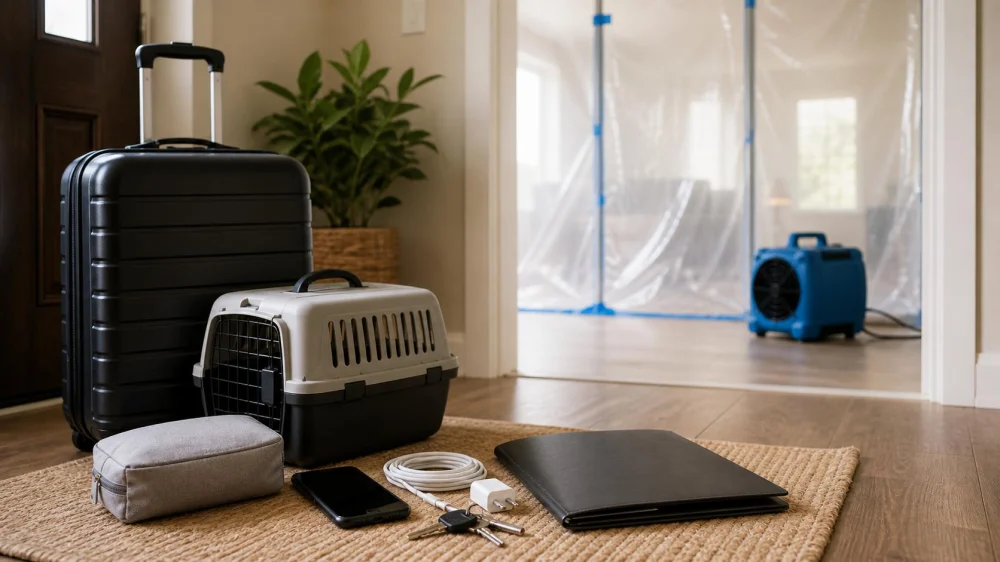
Temporary relocation may be appropriate when water damage creates electrical, structural, sewage, contamination, air-quality, access, temperature-control, or major work-zone hazards. Follow emergency services, public health, building officials, property management, and qualified restoration professionals. Before leaving, take essential identification, medications, mobility and medical supplies, communication devices, safe clothing, pet needs, and key insurance or property information—only if they can be reached without entering a hazardous area.
Document the condition and contacts, secure the property as directed, and ask who has authority to say the home or affected area is ready for reoccupancy. Do not return simply because surfaces look dry.
Giants / dry kings restoration of san francisco
San FranciscoSan Francisco CountyCalifornia
685 Geary Blvd, San Francisco, CA 94102, USA
Know when to leave
Leave immediately when emergency officials direct it or when fire, gas, electrocution, collapse, contaminated water, or other immediate danger is present. A restoration or building professional may also recommend relocation when essential bathrooms, kitchens, sleeping areas, safe exits, power, heat, or cooling cannot be used.
- Water near electrical panels, outlets, appliances, or wiring.
- Sagging ceilings, moving walls, unstable floors, or falling materials.
- Sewage, floodwater, chemicals, or unknown contamination.
- Extensive demolition, dust control, drying equipment, or blocked exits.
- Health needs that make noise, heat, humidity, dust, or access unsafe.
Pack essential items safely
Do not cross containment barriers or disturb wet materials to retrieve belongings. Ask the restoration team which areas and items are safe to access. Keep potentially contaminated items separate and follow professional cleaning or disposal guidance.
- Identification, payment methods, keys, and insurance contacts.
- Prescription medications in original containers and required storage.
- Medical devices, chargers, glasses, and accessibility supplies.
- Clothing and hygiene items from unaffected areas.
- Pet carriers, food, medicines, and veterinary information.
- Work, school, and caregiving essentials.
Coordinate property access
Write down which restoration company, adjuster, contractor, landlord, or building representative can enter and during what hours. Document keys, codes, alarms, cameras, pets, parking, and restricted areas. Use a sign-in or communication log for visits when practical.
Ask who will monitor drying equipment, indoor temperature, security, and new leaks. Do not turn off or move professional equipment without authorization.
SERVPRO of Pompano Beach / servpro fort lauderdale south
Pompano BeachBroward CountyFlorida
2101 NW 33rd St #200a, Pompano Beach, FL 33069, USA
Manage the temporary stay
Keep receipts for lodging, food differences, transport, laundry, pet boarding, supplies, and other displacement costs. Coverage and reimbursement depend on the policy and circumstances, so contact the insurer promptly and ask what documentation and approvals are required.
Maintain one timeline of damage, calls, inspections, work, and expected milestones. Update schools, employers, caregivers, mail, and delivery instructions only as needed, and avoid publicly sharing that the home is vacant.
Confirm conditions before returning
Ask for written or documented confirmation of the work completed, remaining hazards, moisture results, utilities, sanitation, access, and any rooms that remain restricted. Make sure smoke and carbon monoxide alarms, exits, essential plumbing, electrical service, and temperature control are operating as required.
On return, walk through with the responsible professional, photograph conditions, review equipment still in place, and report new odour, moisture, dust, noise, or symptoms promptly. A partial return may require clear physical boundaries and household rules.
Important limitations
This is general U.S. planning information, not emergency, medical, environmental, insurance, landlord-tenant, or legal advice. Reoccupancy decisions and coverage vary by hazard, jurisdiction, policy, building, and household health needs. Follow official orders and qualified on-site assessments.
Evidence notes
The plan uses a life-safety-first sequence: identify hazards, avoid contaminated access, preserve essential needs, control authorized entry, document displacement, and verify reoccupancy conditions. Visual dryness alone cannot confirm concealed materials or systems are safe.
FAQ
Who decides whether I should leave?
Emergency officials may order evacuation, while building, health, restoration, medical, or property professionals may advise based on specific conditions.
Will insurance pay for a hotel?
Coverage varies. Contact the insurer promptly and document approvals and expenses.
Can I enter briefly to get clothes?
Only if the responsible professional says the route and items are safe.
Should I stop drying equipment while away?
No. Follow the restoration company's monitoring and operating instructions.
When is it safe to return?
When the responsible authorities and qualified professionals confirm relevant hazards and essential services have been addressed for your household.
Next steps
Identify the decision-maker, pack only safely accessible essentials, notify the insurer and property contacts, keep a relocation log and receipts, and obtain clear reoccupancy confirmation before returning.
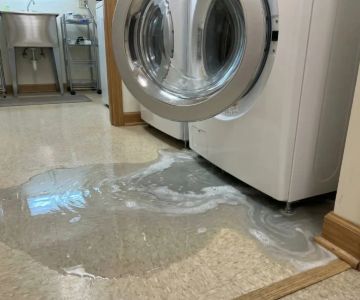
 ServiceMaster Recovery by Close4.0 (30 reviews)
 SERVPRO of Mason City4.0 (142 reviews)
 Roto-Rooter Plumbing & Water Cleanup4.0 (588 reviews)
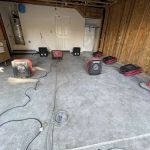 Drypro5.0 (16 reviews)
 PuroClean of North Portland5.0 (2 reviews)
 SERVPRO of West Brevard4.0 (77 reviews)
 How to Repair Water-Damaged Window Frames: A Step-by-Step Guide
 How to Choose the Best Water Damage Restoration Company Near You
 Water Damage Restoration for Apartments and Condos: Key Insights and Process
 How to Restore Water-Damaged Photos and Important Papers Safely
 How to Spot and Fix Water Damage in Your Walls
 How to Restore Water-Damaged Kitchen Cabinets