
- Introduction to Water-Damaged Books Restoration
- Steps for Restoring Water-Damaged Books
- Proper Drying Techniques for Books
- Professional Tips for Handling Water-Damaged Papers
- Recommended Products for Restoration
Introduction to Water-Damaged Books Restoration
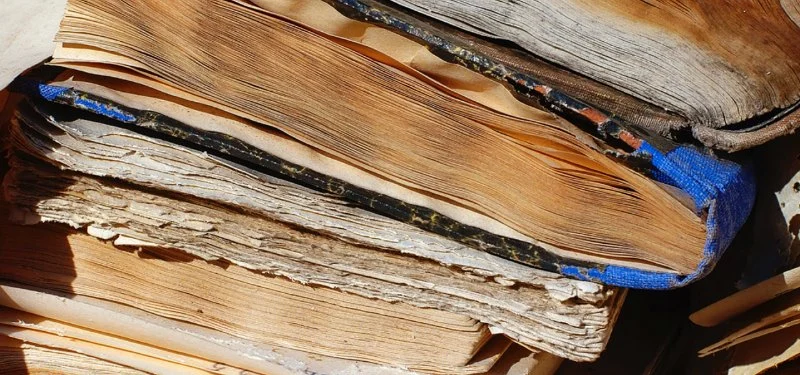
Water damage is one of the most devastating things that can happen to your cherished books and documents. Whether from floods, leaks, or accidental spills, water can weaken paper fibers, cause pages to warp, and lead to mold growth. Restoring water-damaged books and papers may seem like a daunting task, but with the right techniques and tools, you can breathe new life into your literary treasures.

Wizard Restorations Inc / puroclean of san fernando
Rancho CucamongaSan Bernardino CountyCalifornia
10245 8th St, Rancho Cucamonga, CA 91730, USA
Steps for Restoring Water-Damaged Books
Restoring a water-damaged book or paper is a meticulous process, but with patience, you can salvage most items. Here’s how to go about it:

Drip Restoration / valleywide restoration mesa az
932 S Stapley Dr, Mesa, AZ 85204, USA
1. Assess the Damage
Before jumping into restoration, assess the extent of the damage. If the book has only been mildly damp, it might dry out on its own. However, if pages are soaked or the book is severely warped, it will require more attention.
2. Remove Excess Moisture
Start by gently blotting the affected pages with a clean, dry towel. Be careful not to rub, as this can tear the paper. If the book is still wet, try to remove as much moisture as possible before proceeding.
3. Separate the Pages
If your book has become very damp or wet, it is essential to separate the pages. Doing so prevents the pages from sticking together and allows them to dry more evenly. Use a plastic sheet or wax paper to separate the pages gently, being careful not to tear them. If the book is especially fragile, you might want to freeze it temporarily to slow down the damage while you prepare for restoration.
Proper Drying Techniques for Books
The most crucial part of restoring water-damaged books is drying them properly. Improper drying can cause the pages to warp, distort, or develop mildew. Here are the best methods for drying your books:
1. Air Drying
The safest method for drying most water-damaged books is to air dry them. Stand the book upright with the pages slightly fanned, allowing air to circulate through the pages. Place the book in a well-ventilated area, away from direct sunlight or heat sources, as these can cause further damage to the paper.
2. Using a Dehumidifier
If the air in your home is too humid, using a dehumidifier can help speed up the drying process. Place the book on a flat surface, and set the dehumidifier nearby to draw out the excess moisture from the pages.
3. Freezing Books
For books that are soaked through, freezing can be an effective way to halt the damage until you are ready to restore them. Wrap the book in plastic, and place it in the freezer. Once frozen, you can separate the pages and begin the drying process carefully. Freezing also helps prevent mold growth, which is a common issue with water-damaged materials.
Professional Tips for Handling Water-Damaged Papers
Restoring books at home can be challenging, especially if the damage is significant. Professional conservators often use advanced techniques to restore delicate materials. Here are some expert tips:
1. Using Silica Gel
Silica gel is commonly used by professionals to absorb moisture from delicate materials. Placing a water-damaged book in a sealed container with silica gel packets can help draw out moisture without harming the paper. This method is effective for books that are too fragile for air drying.
2. Pressing the Pages
Once the pages are fully dry, you can carefully press them to remove any remaining wrinkles or creases. Place the book between two sheets of absorbent paper and press it with a weight. Be careful not to press too hard, as this can distort the book further.
3. Professional Restoration Services
If your books are significantly damaged or if the restoration process feels overwhelming, it might be worth considering professional help. Experts use specialized equipment, such as vacuum freeze-drying, to restore books and documents that would otherwise be beyond repair. Professional conservators also provide mold remediation and treatments to prevent future damage.
Recommended Products for Restoration
For those looking to restore water-damaged books and papers at home, using the right products is essential. Here are some tools and materials to help with your restoration efforts:
- Dehumidifiers: A good dehumidifier is essential for creating an environment that helps dry water-damaged books without further risk of harm.
- Silica Gel: Use silica gel to absorb excess moisture from books and documents in a safe, controlled manner.
- Conservation-grade Paper: If you need to replace pages or add protective layers, use conservation-grade materials that are safe for long-term use.
- Cleaning Brushes: Gentle cleaning brushes are perfect for removing dirt and debris without damaging delicate pages.
If you need reliable products and expert advice for restoring water-damaged books, check out Reliable Damage Hub for the best options available.
 Good Roads Water Damage Experts5.0 (1 reviews)
 R&R Foundation Specialist4.0 (305 reviews)
 MJ White4.0 (102 reviews)
 ATI Restoration3.0 (25 reviews)
 Modernistic4.0 (251 reviews)
 ServiceMaster Cleaning Services4.0 (27 reviews)
 Water Damage Restoration for Retail Spaces – Expert Tips and Real Cases
 How to Prevent and Repair Water Damage in Commercial Properties
 How to Protect Your Home’s Electrical System from Water Damage: Essential Tips
 Flooded Basement? Here’s How to Restore It Safely
 How to Handle Water Damage After a Storm: A Step-by-Step Guide
 How to Handle Water Damage from Burst Pipes: A Step-by-Step Guide