
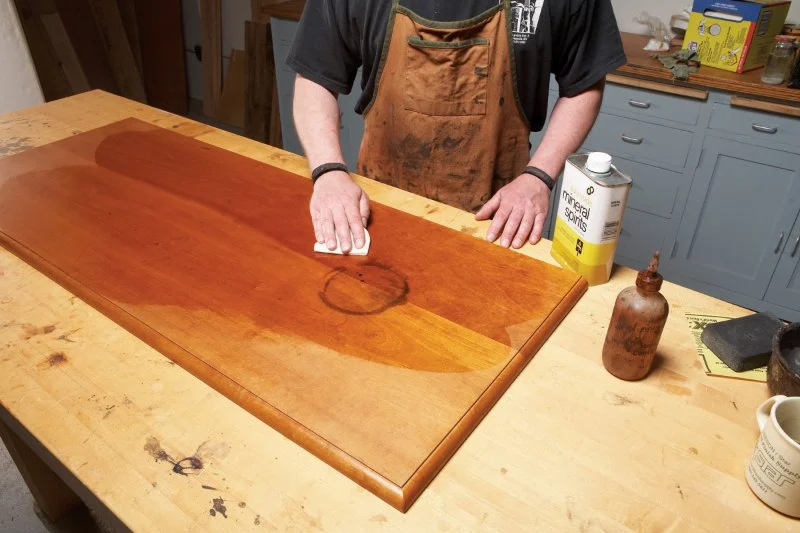
How to Restore Water-Damaged Wooden Furniture
- Understanding Water Damage on Wood
- Assessing the Damage
- Step-by-Step Guide to Restoring Wooden Furniture
- Common Challenges in Furniture Restoration
- Case Studies and Examples
1. Understanding Water Damage on Wood
Water damage on wooden furniture can range from minor water stains to severe warping and swelling. Understanding how water affects wood is the first step in restoring your furniture. Wood is a porous material, meaning it can absorb water, which leads to swelling, discoloration, and even mold growth if not addressed quickly.
The extent of the damage depends on how long the wood has been exposed to moisture, the type of wood, and the finish on the furniture. In some cases, water damage might be reversible, while in others, the furniture may require professional restoration services.

SERVPRO of Pompano Beach / servpro of santa maria
Pompano BeachBroward CountyFlorida
2101 NW 33rd St #200a, Pompano Beach, FL 33069, USA
2. Assessing the Damage
Before starting any restoration work, it's essential to assess the damage thoroughly. Begin by inspecting the surface of the furniture for visible water stains, swelling, or cracks. Check for any signs of mold or mildew, especially in areas where the furniture was exposed to moisture for a prolonged period.
If the wood is swollen or warped, it may need to be dried out before any repairs can be made. In some cases, you may need to disassemble the furniture to allow proper airflow for drying. If there is mold growth, consider using a specialized cleaner or consulting a professional to prevent health risks.
3. Step-by-Step Guide to Restoring Wooden Furniture
Step 1: Dry the Furniture Thoroughly
The first step in restoring water-damaged wooden furniture is to dry it completely. If the wood is still wet, gently blot it with a clean cloth to absorb excess moisture. Use a fan or dehumidifier to speed up the drying process, but avoid placing the furniture in direct sunlight as this can cause further damage.
Step 2: Sand the Surface
Once the wood is dry, inspect the surface for any rough spots or raised grain caused by moisture. Sand the affected areas gently with fine-grit sandpaper. Be sure to sand evenly to avoid leaving marks or uneven surfaces. If the water damage has caused discoloration, you can sand deeper into the wood to remove the top layer of damaged wood.
Step 3: Treat Stains and Water Marks
Water stains are common in water-damaged wooden furniture, and they can be removed using various methods. For light stains, a mixture of baking soda and water can be gently rubbed on the affected area using a cloth. For more stubborn stains, a vinegar and olive oil mixture may help restore the appearance.
Step 4: Refinish the Wood
After sanding and removing any stains, it's time to refinish the wood. Apply a wood conditioner to help the new finish adhere to the wood more evenly. Then, use a wood stain or varnish to restore the furniture’s original look. Make sure to apply the finish in thin layers, allowing each layer to dry completely before applying the next.
Step 5: Protect the Furniture
After finishing, it’s important to protect the wood with a final coat of clear polyurethane or lacquer. This protective layer will help seal the wood and prevent future water damage. Make sure the finish is completely dry before using the furniture again.
4. Common Challenges in Furniture Restoration
Restoring water-damaged wooden furniture can be a delicate process. Some common challenges include:
- Severe warping: If the wood has been severely warped, it may not be possible to return it to its original shape without professional help.
- Persistent stains: Some water stains may be too deep to remove with at-home methods, requiring professional refinishing services.
- Mold and mildew: Water damage can lead to mold or mildew growth, which can be hazardous to health and difficult to remove completely on your own.
It’s important to know when to seek professional help. If the damage is too extensive, a skilled furniture restoration expert can assess the damage and provide the necessary repairs.
5. Case Studies and Examples
A family in California experienced significant water damage to their wooden dining table after a leaking pipe flooded their kitchen. They followed the steps outlined above to restore the table, but after sanding, they found that the wood was deeply discolored. They decided to refinish the table, which restored its original beauty. However, they chose to hire a professional for the final protective finish to ensure the table would be properly sealed against future damage.
Another example involved a vintage wooden chair that had been exposed to water from a spilled drink. After sanding the affected area and treating the water stain with a vinegar and olive oil mix, the chair looked as good as new. The restoration was successful because the water damage was minor and only affected the surface.
For expert products and services to help restore your water-damaged furniture, visit Reliable Damage Hub. We offer a wide range of restoration tools, finishes, and supplies to make your furniture look as good as new.

 SERVPRO of The Saint Croix Valley4.0 (105 reviews)
 Lionel Water Proofing5.0 (13 reviews)
 H2Pro Restoration Services LLC5.0 (10 reviews)
 Erie Restoration | Fire & Water Damage Specialist5.0 (17 reviews)
 Kowalski Water Damage Services0.0 (0 reviews)
 Fire & Flood Restoration Specialists, LLC2.0 (3 reviews)
 Water Damage Restoration After Fire Sprinkler Accidents
 What Are the Signs of Water Damage That Homeowners Often Miss?
 How to Handle Water Damage From Burst Water Heaters
 How to Handle Water Damage From Burst Water Heaters – Cleanup, Repair & Prevention
 How to Handle Water Damage From Roof Flashing Failures
 What Are the Key Signs of Water Damage in Your Home?