
How to Remove Mold After Water Damage
- 1- Understanding Mold Growth After Water Damage
- 2- Dangers of Mold and Its Health Risks
- 3- Steps to Remove Mold After Water Damage
- 4- How to Prevent Mold Growth in the Future
- 5- When to Call a Professional for Mold Removal
1- Understanding Mold Growth After Water Damage
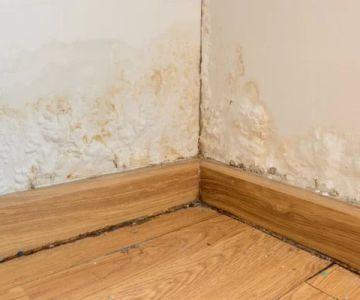
Water damage can lead to the growth of mold in your home, particularly in areas that have been exposed to excessive moisture. Mold thrives in damp, humid environments, making areas like basements, bathrooms, and kitchens ideal breeding grounds. Understanding how mold grows and spreads is crucial when dealing with water damage and mold removal. Mold can start to form within 24 to 48 hours after water damage, so prompt action is necessary to prevent it from spreading throughout your home.
Giants / dry kings restoration of san francisco
San FranciscoSan Francisco CountyCalifornia
685 Geary Blvd, San Francisco, CA 94102, USA
2- Dangers of Mold and Its Health Risks
Mold is not just an unsightly nuisance—it can pose serious health risks to you and your family. Mold releases spores that can irritate the respiratory system, leading to symptoms such as coughing, sneezing, wheezing, and even asthma attacks. Long-term exposure to mold can also lead to more serious health problems, including chronic sinus infections and allergic reactions. People with compromised immune systems, young children, and elderly individuals are especially at risk. Therefore, understanding the dangers of mold is essential when dealing with water damage in your home.
SERVPRO of Pompano Beach / servpro fort lauderdale south
Pompano BeachBroward CountyFlorida
2101 NW 33rd St #200a, Pompano Beach, FL 33069, USA
3- Steps to Remove Mold After Water Damage
When tackling mold removal after water damage, following these steps can help ensure a thorough cleanup process:
3.1- Assess the Extent of the Damage
Before you begin the mold removal process, assess the extent of the damage. Check the affected areas carefully to determine whether the mold is confined to small patches or if it has spread to large areas. You may need to discard items like carpets, furniture, or drywall if they are too damaged to salvage.
3.2- Wear Protective Gear
When cleaning mold, safety should be your top priority. Mold spores can become airborne and cause respiratory issues. Be sure to wear the following protective gear:
- Mask or respirator
- Gloves
- Goggles
Wearing these items will protect you from inhaling spores and from skin contact with the mold.
3.3- Clean Small Areas with a Mold Cleaner
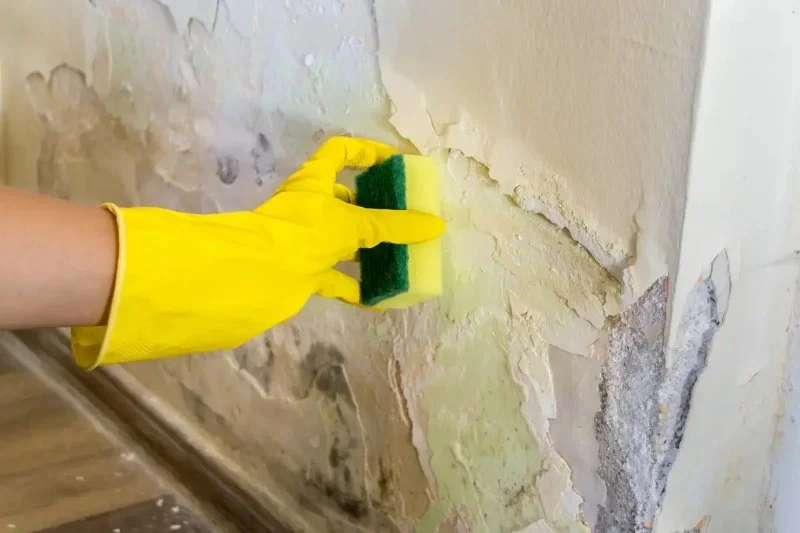
If the mold is confined to a small area, you can use a store-bought mold cleaner or a homemade solution made from vinegar, baking soda, or hydrogen peroxide. Apply the cleaner to the affected areas and scrub with a brush or sponge. Be sure to clean all surfaces thoroughly to remove any traces of mold.
3.4- Use a Dehumidifier to Dry the Area
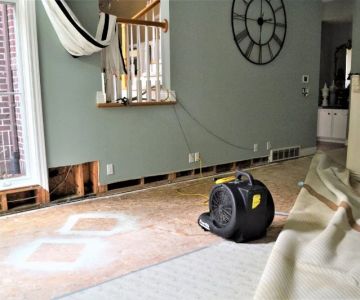
After cleaning the mold, it is crucial to dry the area completely. Mold thrives in moisture, so it’s important to eliminate any lingering dampness. Using a dehumidifier can help remove moisture from the air and speed up the drying process.
3.5- Remove and Replace Damaged Materials
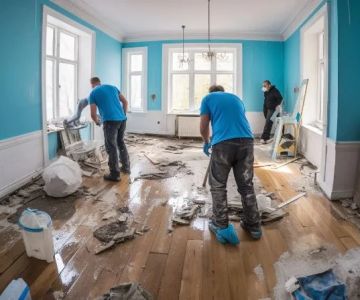
If the water damage is extensive, some materials such as drywall, insulation, and flooring may be too damaged by mold to be restored. These materials should be removed and replaced to prevent mold from returning.
4- How to Prevent Mold Growth in the Future
Once the mold has been removed, it’s essential to take steps to prevent it from returning. Here are some prevention tips:
4.1- Control Humidity
Maintaining a low humidity level is key to preventing mold growth. Use a dehumidifier in areas prone to moisture, such as basements and bathrooms. The ideal humidity level should be between 30-50%.
4.2- Improve Ventilation
Proper ventilation is critical in preventing mold growth. Make sure areas like bathrooms, kitchens, and basements are properly ventilated. Consider installing exhaust fans or opening windows to allow air circulation and reduce humidity.
4.3- Regularly Inspect for Water Leaks
Water leaks are a common cause of mold growth. Check your home regularly for any leaks in pipes, roofs, or windows. Fixing leaks immediately can help prevent future water damage and mold problems.
5- When to Call a Professional for Mold Removal
While many people can handle small mold cleanups themselves, larger mold infestations or severe water damage often require professional help. If the mold is extensive, if it’s in hard-to-reach areas, or if you are unsure how to handle the cleanup, it’s best to contact a mold remediation specialist. Professionals have the tools and expertise to remove mold safely and effectively while minimizing health risks.
In conclusion, removing mold after water damage is an essential process for maintaining a healthy and safe home. By following the steps above and taking preventive measures, you can ensure that mold does not become a recurring issue. For further guidance and services related to mold removal and water damage restoration, visit Reliable Damage Hub for expert help and product recommendations.
 Good Roads Water Damage Experts5.0 (1 reviews)
 R&R Foundation Specialist4.0 (305 reviews)
 MJ White4.0 (102 reviews)
 ATI Restoration3.0 (25 reviews)
 Modernistic4.0 (251 reviews)
 ServiceMaster Cleaning Services4.0 (27 reviews)
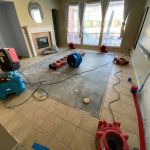 Water Damage Restoration for Retail Spaces – Expert Tips and Real Cases
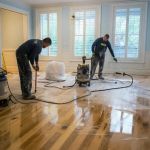 How to Prevent and Repair Water Damage in Commercial Properties
 How to Protect Your Home’s Electrical System from Water Damage: Essential Tips
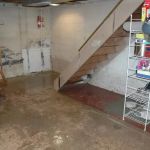 Flooded Basement? Here’s How to Restore It Safely
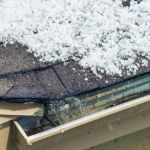 How to Handle Water Damage After a Storm: A Step-by-Step Guide
 How to Handle Water Damage from Burst Pipes: A Step-by-Step Guide