
When Water Leaves a Mark: Restoring Every Corner of Your Home After Damage
- - #understanding-how-water-damage-spreads-inside-homes
- - #how-to-repair-water-damage-around-all-home-interiors-step-by-step
- - #real-life-home-restoration-stories-and-lessons
- - #repairing-walls-ceilings-and-floors-after-water-exposure
- - #hidden-moisture-and-mold-risks-you-should-never-ignore
- - #tools-materials-and-techniques-for-lasting-repair
- - #when-diy-is-enough-and-when-professionals-are-needed
- - #preventing-future-interior-water-damage
- - #final-practical-strategies-for-long-term-home-protection
Understanding How Water Damage Spreads Inside Homes
Learning How to Repair Water Damage Around All Home Interiors begins with understanding how silently water travels through a structure. Water rarely stays in one place—it seeps through drywall, spreads under flooring, and travels along ceiling beams before becoming visible.
In many American households, a small leak from a bathroom pipe or roof corner can go unnoticed for weeks. By the time stains appear, the damage has often already reached insulation and internal framing.
One homeowner in Florida shared how a minor AC condensation leak eventually affected three rooms because the moisture traveled behind walls undetected for months.
Why water spreads faster than expected
Drywall, wood, and insulation act like sponges, absorbing and distributing moisture deeper into the structure.
How to Repair Water Damage Around All Home Interiors Step by Step
To properly understand How to Repair Water Damage Around All Home Interiors, you must approach it systematically—starting from assessment and ending with full restoration.
Step 1: Identify the source immediately
Whether it’s plumbing, roofing, or appliance-related, stopping the water source is the most important first step.
Step 2: Assess damage severity
Check walls, ceilings, floors, and hidden spaces for discoloration, softness, or odor changes.
Step 3: Remove saturated materials
Drywall, insulation, or flooring that cannot dry completely must be removed to prevent mold growth.
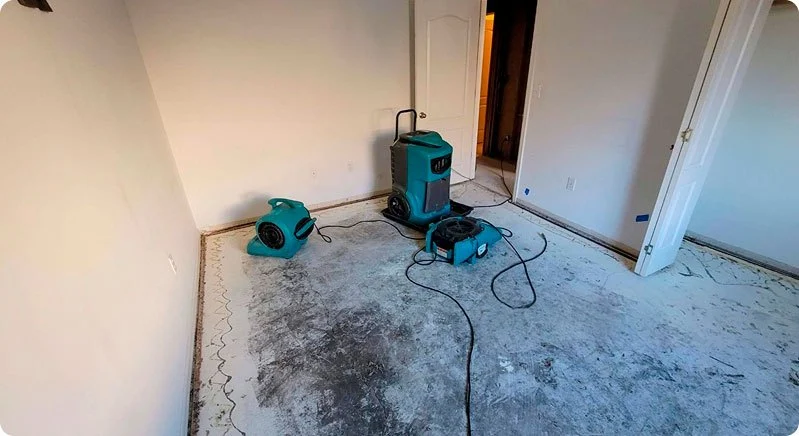
Step 4: Dry the structure thoroughly
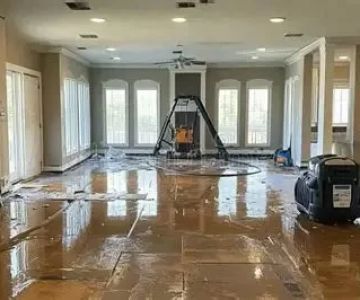
Industrial fans and dehumidifiers are often required to remove hidden moisture trapped inside walls.
Step 5: Repair and rebuild properly
Once dry, damaged areas should be patched, sealed, and restored using moisture-resistant materials.
Real Life Home Restoration Stories and Lessons
Real experiences help illustrate How to Repair Water Damage Around All Home Interiors in practical terms.
The ceiling leak that went unnoticed
A family in Texas ignored a small ceiling stain above their living room. Months later, part of the ceiling collapsed due to trapped moisture weakening the structure.
The hidden bathroom leak
Another homeowner discovered warped flooring only after mold odor became noticeable. The leak had been slowly spreading under tiles for weeks.
The post-hurricane recovery story
After a storm in Louisiana, one household had to rebuild multiple rooms after floodwater seeped into walls and insulation layers.
Repairing Walls, Ceilings, and Floors After Water Exposure
A key part of How to Repair Water Damage Around All Home Interiors is understanding that each surface requires a different approach.
Wall damage restoration
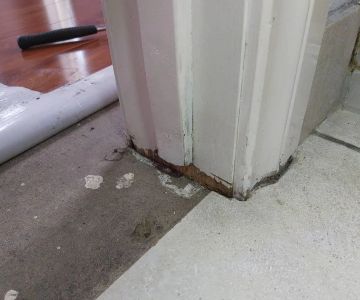
Drywall affected by moisture must often be cut out and replaced. Painting over damage without repair only hides the issue temporarily.
Ceiling stain repair
Ceilings require both structural inspection and cosmetic repair. Water stains often indicate deeper roof or plumbing issues.
Floor restoration techniques
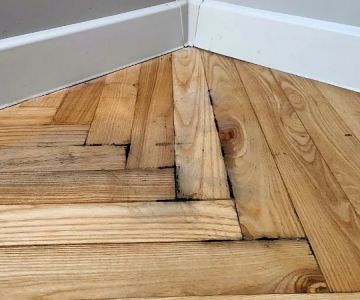
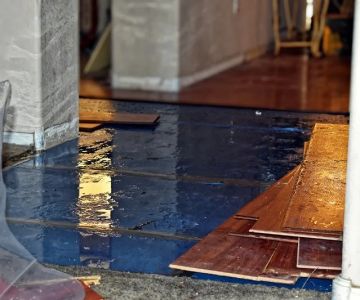
Hardwood floors may be sanded and refinished if damage is mild, but laminate flooring often needs full replacement.
Hidden Moisture and Mold Risks You Should Never Ignore
One of the most critical aspects of How to Repair Water Damage Around All Home Interiors is addressing hidden moisture before it turns into mold.
Why mold spreads quickly indoors
Mold thrives in dark, damp environments and can begin growing within 24–48 hours of water exposure.
Health risks associated with mold
Exposure can lead to allergies, respiratory issues, and long-term indoor air quality problems.
Tools, Materials, and Techniques for Lasting Repair
Successful restoration depends on using the right materials and methods.
Moisture meters and detection tools
These tools help identify hidden water pockets inside walls and floors.
Drying equipment
High-powered fans and dehumidifiers accelerate the drying process significantly.
Water-resistant building materials
Modern drywall alternatives and treated wood improve long-term durability.
When DIY Is Enough and When Professionals Are Needed
Understanding How to Repair Water Damage Around All Home Interiors also means knowing your limits.
DIY-friendly cases
Small leaks, minor stains, and early-stage moisture can often be managed with basic tools and patience.
Professional restoration cases
Extensive flooding, mold spread, or structural damage requires professional intervention for safety and completeness.
For homeowners seeking trusted repair guidance and reliable restoration support, platforms like Reliable Damage Hub offer access to expert solutions and proven recovery methods.
Preventing Future Interior Water Damage
Prevention is the most important part of How to Repair Water Damage Around All Home Interiors.
Regular home inspections
Checking plumbing, roofing, and appliances reduces risk of hidden leaks.
Humidity control
Maintaining indoor humidity prevents condensation buildup inside walls.
Early leak detection systems
Smart sensors can alert homeowners before minor leaks become major damage.
Final Practical Strategies for Long-Term Home Protection
True mastery of How to Repair Water Damage Around All Home Interiors comes from combining repair skills with prevention awareness.
Homes are constantly exposed to moisture risks, but with early detection, proper repair techniques, and consistent maintenance, long-term structural safety is achievable.
Addressing water damage quickly not only protects your property but also ensures a healthier living environment for years to come.
 Grand Rapids Building Repair Inc3.0 (8 reviews)
 Green Machine Carpet Cleaning4.0 (265 reviews)
 SERVPRO of Oak Lawn4.0 (96 reviews)
 Advanced Cleaning & Restoration5.0 (2 reviews)
 Long Beach CA Mold Removal Kings5.0 (27 reviews)
 Americas Best Exteriors4.0 (87 reviews)
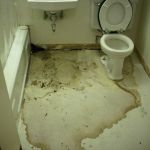 Water Damage Repair for Bathroom Flooring and Tile in the USA
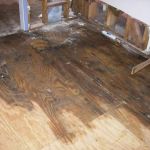 How to Restore Water-Damaged Flooring After Flooding: A Comprehensive Guide
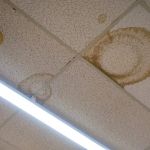 How to Repair Water-Damaged Ceiling Tiles: A Step-by-Step Guide
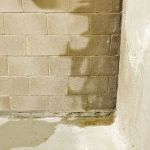 How to Fix Water Damage in Your Basement Walls
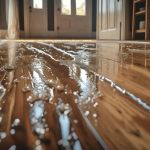 How to Avoid Water Damage During Home Renovations: Essential Tips for Homeowners
 What Are the Signs of Water Damage That Homeowners Often Miss?