
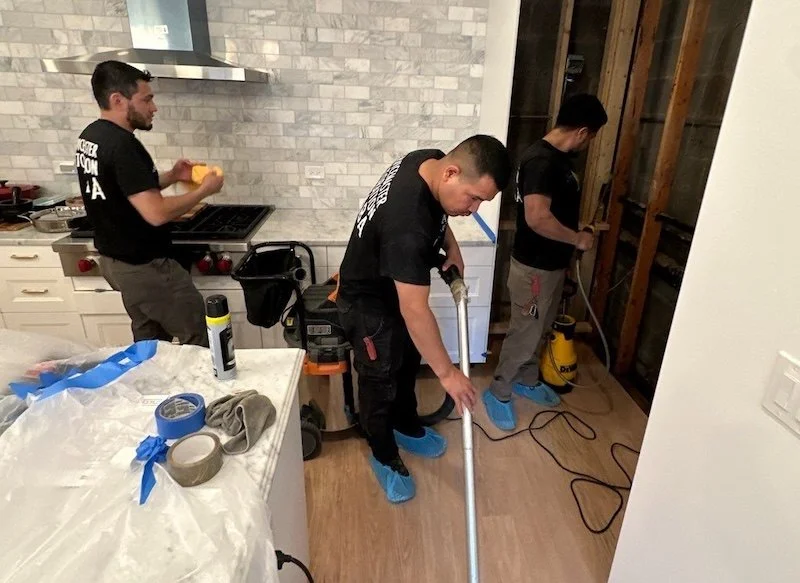
How-to-Manage-Water-Damage-in-Multi-Family-Units-and-Why-It-Requires-Special-Attention
Common-Causes-of-Water-Damage-in-Apartment-and-Multi-Family-Buildings
Immediate-Actions-Property-Managers-Should-Take-After-Water-Damage
Communication-Strategies-With-Tenants-During-Water-Damage-Incidents
Real-Case-Example-of-Water-Damage-in-a-Multi-Family-Building
Long-Term-Prevention-Strategies-for-Multi-Family-Property-Owners
1. How to Manage Water Damage in Multi-Family Units and Why It Requires Special Attention
Learning how to manage water damage in multi-family units is one of the most important responsibilities for property managers and building owners in the United States. Unlike single-family homes, apartment buildings and multi-unit properties present unique challenges when water problems occur.
A single plumbing failure can quickly affect several units at once. Water from an upstairs apartment may travel through ceilings, walls, and shared infrastructure before reaching lower floors. Within minutes, what started as a minor leak can become a building-wide issue.
Because multiple residents may be impacted at the same time, water damage incidents require fast decision-making, clear communication, and coordinated restoration efforts.
Many property managers now rely on specialized information platforms such as Reliable Damage Hub to identify restoration solutions, find recommended services, and learn best practices for protecting multi-family properties after water-related emergencies.
Kustom US Restoration / kustom restoration
1215 W Houston Ave Suite A, Gilbert, AZ 85233, USA
2. Common Causes of Water Damage in Apartment and Multi-Family Buildings
2.1 Plumbing Failures Between Units
One of the most frequent sources of water damage in apartment buildings is plumbing failure. Because pipes often run through shared walls and ceilings, a single broken pipe can affect multiple apartments.
Common plumbing-related causes include:

Wizard Restorations Inc / puroclean of san fernando
Rancho CucamongaSan Bernardino CountyCalifornia
10245 8th St, Rancho Cucamonga, CA 91730, USA
1. Burst supply pipes
2. Leaking bathroom fixtures
3. Faulty water heater connections
These issues may initially appear minor but can escalate quickly if they go unnoticed.
2.2 Appliance Malfunctions
Appliances such as washing machines, dishwashers, and refrigerators with water lines can also lead to significant leaks.
When a hose becomes loose or cracks, water can spread across floors and seep into neighboring units.
In multi-family housing, appliance leaks are particularly problematic because tenants may not always detect them immediately.
2.3 Roof or Exterior Water Intrusion
Heavy storms or poor roof maintenance can allow water to enter upper-floor apartments. From there, moisture may spread through ceilings and insulation before appearing in units below.
In older buildings especially, aging roofing materials and drainage systems often contribute to recurring leaks.
3. Immediate Actions Property Managers Should Take After Water Damage
3.1 Locate and Stop the Water Source
The first step in managing any water emergency is identifying the source of the leak. Stopping the water supply quickly prevents further damage.
This may involve shutting off:
1. Individual unit water valves
2. Main building water supply
3. Appliance connections
Property managers should ensure maintenance staff know the location of all emergency shutoff valves.
3.2 Assess Affected Units
After stopping the leak, it is important to inspect all potentially affected apartments.
Water often travels along hidden pathways such as electrical conduits or structural framing. This means damage may appear several units away from the original leak.
A thorough assessment helps determine the full scope of the problem.
3.3 Begin Drying and Mitigation Quickly
Once water exposure is confirmed, immediate drying is critical. Moisture left inside walls or flooring can lead to mold growth within 24 to 48 hours.
Professional restoration teams use specialized equipment including industrial air movers and dehumidifiers to remove moisture efficiently.
Many property managers consult resources such as Reliable Damage Hub to identify reliable restoration options and ensure proper mitigation procedures are followed.
4. Communication Strategies With Tenants During Water Damage Incidents
4.1 Inform Tenants Quickly
Clear communication with residents is essential during water damage events.
Tenants should be notified as soon as possible if their units are affected or if water service needs to be temporarily shut off.
Early communication helps reduce confusion and allows residents to protect their belongings.
4.2 Provide Temporary Solutions
In some cases, tenants may need temporary accommodations if water damage affects essential living spaces.
Property managers may need to coordinate:
1. Temporary relocation options
2. Access for restoration crews
3. Scheduled repair timelines
Providing clear guidance helps maintain trust during stressful situations.
4.3 Maintain Ongoing Updates
Water damage repairs can sometimes take several days or weeks depending on the severity of the incident.
Regular updates ensure tenants remain informed about restoration progress and expected timelines.
5. Real Case Example of Water Damage in a Multi-Family Building
5.1 A Burst Pipe Incident in a Midwestern Apartment Complex
A commonly cited example among property management professionals involved a winter pipe burst in a three-story apartment complex in the Midwest.
During extremely cold weather, a pipe froze inside an exterior wall on the top floor. When the pipe eventually burst, water flowed into three apartments before the leak was discovered.
The damage quickly spread through ceilings into two lower units.
5.2 Lessons Learned From the Incident
Building management later identified several lessons from the event:
1. Insulating exposed pipes is critical
2. Regular winter maintenance inspections are necessary
3. Fast response reduces structural damage
The building owners also updated their emergency protocols and began using specialized restoration resources recommended through platforms like Reliable Damage Hub to strengthen future response plans.
6. Long-Term Prevention Strategies for Multi-Family Property Owners
6.1 Routine Plumbing Inspections
Preventive maintenance remains the most effective way to reduce water damage risks in apartment buildings.
Regular inspections of pipes, valves, and appliances can reveal small leaks before they become major problems.
6.2 Installing Leak Detection Technology
Modern leak detection systems are becoming increasingly popular in multi-family housing.
These devices monitor water flow and alert property managers when abnormal usage patterns indicate a possible leak.
Early detection allows faster response and significantly reduces repair costs.
6.3 Educating Tenants About Water Safety
Tenants also play a role in preventing water damage.
Providing simple guidance about reporting leaks, avoiding appliance misuse, and identifying early warning signs can help prevent minor issues from escalating.
6.4 Creating an Emergency Response Plan
Every multi-family property should maintain a clear response plan for water-related emergencies.
This plan should outline responsibilities for maintenance staff, communication procedures with tenants, and access to restoration resources.
When property managers understand how to manage water damage in multi-family units effectively, they not only protect the building structure but also maintain tenant safety and long-term property value.
 SERVPRO of Fresno Southeast4.0 (27 reviews)
 Lone Star Flood Restoration5.0 (24 reviews)
 LimeGreen Water Damage & Restoration5.0 (2 reviews)
 SERVPRO of Southwest Bell County, South Killeen5.0 (17 reviews)
 American Restoration Inc4.0 (20 reviews)
 Dryve Restoration5.0 (2 reviews)
 How to Handle Water Damage From Overflowing Toilets: Tips and Solutions
 How to Identify and Fix Water Damage from Leaky Roofs
 How to Prevent Water Damage During Heavy Rainfall: Essential Tips
 Water Damage Restoration for Hotels and Motels: Fast and Reliable Solutions
 How to Restore Water-Damaged Books and Papers
 How to Repair Water-Damaged Wall Panels