
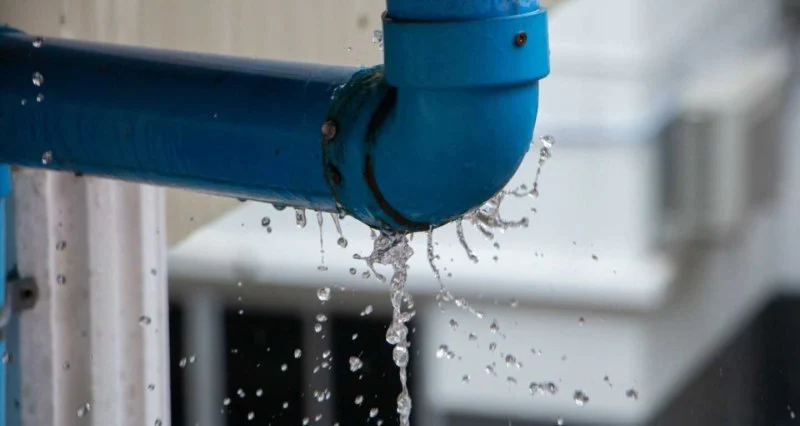
What Are the Health Risks of Untreated Water Damage and Why It Should Never Be Ignored
- mold-development - how moisture turns into airborne health hazards
- bacterial-growth - contamination risks hidden inside wet structures
- air-quality-decline - how indoor breathing environments become unsafe
- long-term-exposure - chronic illness risks linked to damp interiors
- real-case-insights - examples of untreated water damage consequences
Why Untreated Water Damage Becomes a Serious Health Threat
When people think about water damage, the first concern is usually property repair costs. However, untreated water damage health risks are often far more serious than structural damage alone.
Once moisture enters walls, floors, or ceilings, it creates a hidden ecosystem where mold, bacteria, and airborne contaminants can grow rapidly. Within 24–72 hours, conditions inside a home can shift from safe to potentially hazardous.
A homeowner in Texas once ignored a slow roof leak for several weeks. By the time repairs began, family members were experiencing persistent coughing, headaches, and fatigue—all traced back to contaminated indoor air caused by hidden moisture behind drywall.
Mold Exposure and Its Impact on Respiratory Health
One of the most well-documented consequences of untreated water damage is mold growth. Mold spores are microscopic and easily become airborne, affecting anyone who breathes indoor air.
Common Mold-Related Symptoms
Exposure to mold can trigger a wide range of health issues, especially in children, elderly individuals, and people with asthma or allergies.
Typical symptoms include persistent coughing, nasal congestion, throat irritation, watery eyes, and in more severe cases, difficulty breathing or chest tightness.
Why Mold Spreads So Quickly Indoors
Moisture trapped inside building materials creates the perfect breeding ground. Drywall, insulation, and carpet backing absorb water and retain humidity long after visible surfaces appear dry.
This hidden moisture allows mold colonies to expand behind walls where they remain undetected until symptoms become noticeable.
Bacterial Contamination After Flooding or Pipe Leaks
Beyond mold, water damage can introduce harmful bacteria into indoor environments. Floodwater or sewage backups are especially dangerous due to biological contaminants.
Even clean water from burst pipes can become contaminated over time as it interacts with dust, insulation, and organic materials inside the home.
In severe cases, exposure to contaminated water can lead to skin infections, gastrointestinal issues, and other bacterial illnesses if contact occurs during cleanup.
How Indoor Air Quality Deteriorates Without Proper Drying
One of the least visible but most dangerous effects of water damage illness risks is indoor air quality decline.
When moisture remains in structural materials, it increases humidity levels inside the home. High humidity encourages microbial growth and allows particles to circulate through HVAC systems.
This creates a cycle where contaminated air is continuously redistributed throughout the property, exposing occupants repeatedly.
Airborne Contaminants You Cannot See
Mold spores, bacteria fragments, and volatile organic compounds (VOCs) can all become airborne after water damage. These particles are often invisible but still inhaled daily.
This is why individuals sometimes feel “sick at home” but better when they leave the building—a key warning sign of poor indoor air quality.
Real Case: Hidden Water Damage Behind a Kitchen Wall
In a widely documented case from California, a family experienced recurring sinus infections and headaches for months. Initial inspections found nothing unusual.
Later, a deeper inspection revealed a slow plumbing leak behind the kitchen wall that had been active for nearly half a year. Mold colonies had spread across insulation and into adjacent rooms.
Once remediation was completed, the family reported significant improvement in health within weeks, highlighting how untreated water damage can silently affect well-being over time.
Long-Term Health Risks from Continuous Exposure
Chronic exposure to damp environments can lead to more serious health concerns beyond temporary symptoms.
Studies have linked prolonged exposure to indoor moisture and mold with increased risk of asthma development, chronic respiratory inflammation, and weakened immune response.
For individuals with pre-existing conditions, the impact can be significantly more severe, requiring medical intervention or relocation until the environment is restored.
Psychological and Environmental Stress Factors
Health risks are not limited to physical symptoms. Living in a water-damaged environment can also contribute to stress, anxiety, and sleep disturbances.
The constant awareness of damp smells, visible stains, or ongoing repairs can create emotional strain, especially when the source of the problem is not fully resolved.
Homeowners often underestimate this psychological burden, focusing only on structural repairs while ignoring the daily stress caused by living in compromised conditions.
Why Early Intervention Is Critical for Health Protection
The key to reducing water damage illness risks is rapid response. The longer moisture remains untreated, the higher the likelihood of microbial growth and contamination.
Proper drying, dehumidification, and material removal are essential steps to stop the progression of hidden hazards.
In many cases, early professional assessment prevents long-term exposure and reduces both health risks and repair costs.
For homeowners seeking structured guidance or restoration support, platforms like Reliable Damage Hub provide valuable resources for identifying and addressing water-related hazards effectively.
Why Prevention Matters More Than Repair Alone
Once health risks develop, simply repairing visible damage is not enough. The real priority is eliminating hidden moisture sources and restoring safe indoor air conditions.
Regular inspection of plumbing systems, roofing, and humidity levels can significantly reduce the chance of future water damage events.
Understanding what are the health risks of untreated water damage is not just about awareness—it is about protecting long-term physical well-being and maintaining a safe living environment.
 Teasdale Fenton Cleaning & Property Restoration4.0 (1831 reviews)
 SERVPRO of Derry/Londonderry4.0 (29 reviews)
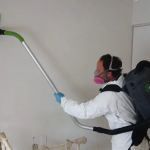 HydroFind, LLC0.0 (0 reviews)
 911 Restoration of Upstate South Carolina5.0 (1 reviews)
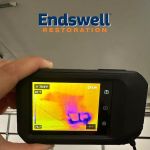 Endswell Restoration5.0 (18 reviews)
 Sparrow Construction4.0 (35 reviews)
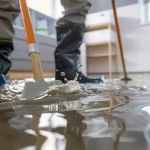 The Role of Water Restoration Companies in Preventing Further Damage
 How to Handle Water Damage From Laundry Rooms | Reliable Damage Hub
 How to Deal with Water Damage from an Overflowing Sink or Bathtub
 How to Restore Your Home After Water Damage from Heavy Rain
 Water Damage Restoration for Schools and Universities: Efficient Solutions
 How to Fix Water Damage from Plumbing System Failures Effectively