
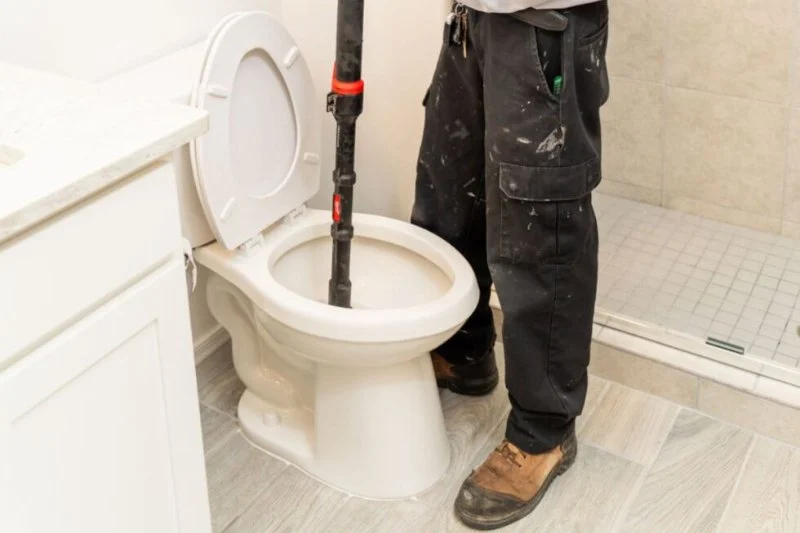
- Understanding Toilet Overflows and Water Damage
- Common Causes of Toilet Overflows
- How to Prevent Toilet Overflows
- Immediate Actions to Take During an Overflow
- Real-Life Example of Water Damage Prevention
Understanding Toilet Overflows and Water Damage
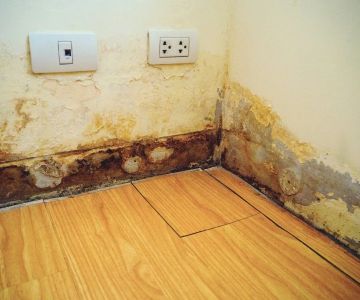
Toilet overflows are one of the most common causes of water damage in homes. When a toilet overflows, the water can spread quickly and cause significant damage to floors, walls, and even the foundation if left unchecked. Not only does the water cause immediate damage, but it can also create long-term issues such as mold growth, wood rot, and structural instability.
The good news is that toilet overflows can be prevented with a little knowledge and preparation. Understanding the causes and taking proactive measures can save you from the stress and financial burden that comes with water damage from overflowing toilets.
Drip Restoration / valleywide restoration mesa az
932 S Stapley Dr, Mesa, AZ 85204, USA
Common Causes of Toilet Overflows
Toilet overflows can happen for several reasons, and identifying the underlying cause can help prevent future incidents. Here are some of the most common causes:
- Clogged Drains: One of the most common causes of toilet overflows is a clogged drain. When the toilet’s drain is blocked, the water cannot flow properly, causing the bowl to fill up and eventually overflow.
- Faulty Float Valve: The float valve is responsible for controlling the water level in the tank. If the valve is faulty or the float is set too high, the tank may fill with too much water, leading to an overflow.
- Broken Flush Mechanism: A malfunctioning flush mechanism can prevent the toilet from properly emptying after use, causing excess water to build up and overflow.
- Excessive Toilet Paper or Foreign Objects: Flushing excessive amounts of toilet paper or non-flushable items, such as wipes or sanitary products, can lead to blockages in the pipes that result in overflow.
How to Prevent Toilet Overflows
Preventing toilet overflows involves regular maintenance and some basic precautions. Here are some effective steps you can take to avoid an overflow and protect your home from water damage:
- Regularly Check for Clogs: Use a plunger or auger to clear minor blockages before they escalate. If you notice slow drainage or frequent clogs, it may be time to call a plumber to inspect your pipes.
- Install a High-Quality Float Valve: Ensure that your toilet has a properly functioning float valve. You can hire a professional plumber to check and adjust the float valve to the correct level to prevent overflows.
- Avoid Flushing Non-Flushable Items: Educate everyone in your household to avoid flushing anything other than toilet paper. Items like wipes, paper towels, or feminine products can easily block pipes and cause overflow issues.
- Regular Plumbing Inspections: Periodically have your plumbing system checked for potential issues. A professional plumber can help identify hidden problems and perform maintenance to keep everything functioning smoothly.
Immediate Actions to Take During an Overflow
If your toilet overflows, acting quickly can minimize the water damage and prevent further complications. Here’s what to do immediately:
- Turn Off the Water Supply: The first step is to shut off the water supply to the toilet. Locate the valve near the base of the toilet and turn it clockwise to stop the flow of water.
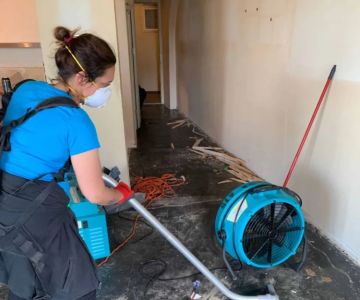
- Remove Excess Water: Use towels, a mop, or a wet vacuum to soak up as much water as possible. Be sure to dry the area thoroughly to prevent moisture from seeping into the floors and walls.
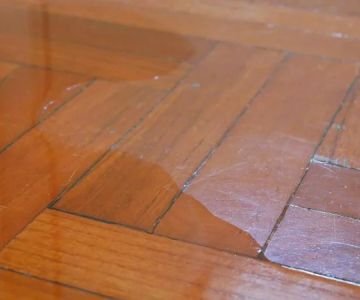
- Inspect for Damage: Check the surrounding area for any signs of water damage, such as discoloration or warping of the flooring, walls, or baseboards. This will help you assess whether further action is needed, such as calling a water damage restoration professional.
- Call a Professional: If the overflow was caused by a major blockage or if water has spread to other parts of the house, it’s best to contact a plumber or water damage restoration expert to assess and address the situation.
Real-Life Example of Water Damage Prevention
Consider the story of Sarah, a homeowner who experienced a toilet overflow in her guest bathroom. While Sarah had occasionally noticed that her toilet seemed to drain slowly, she didn’t think much of it. One day, the toilet overflowed, flooding the bathroom floor and spreading water into the hallway.
Luckily, Sarah had already implemented several preventive measures, such as using a high-quality float valve and regularly checking for clogs. She quickly turned off the water supply and called a plumber, who fixed the clogged drain. After cleaning up the water, Sarah had her plumbing system checked to prevent any future issues. As a result, she avoided significant water damage and was able to restore her bathroom without costly repairs.
This real-life example highlights the importance of proactive toilet maintenance. Regular inspections and timely actions can save you from the headache and expense of water damage caused by overflowing toilets.
If you want to learn more about protecting your home from water damage and discover products that can help, visit Reliable Damage Hub for expert recommendations and solutions.
 Red White And Blue Restoration4.0 (18 reviews)
 Paul Davis of White Bear Lake, MN5.0 (83 reviews)
 Vortex Restoration5.0 (3 reviews)
 Restore All Plumbing - Tucson4.0 (8 reviews)
 Haven Water Damage Restoration5.0 (13 reviews)
 Freeport Best Mold & Waterproofing Restoration5.0 (14 reviews)
 How to Detect Water Damage Behind Your Walls
 Water Damage: How to Spot Early Warning Signs Before It’s Too Late
 How to Avoid Water Damage During Home Renovations: Essential Tips for Homeowners
 How to Prevent Water Damage from Excessive Humidity in Your Home | Reliable Damage Hub
 The Most Effective Methods for Water Extraction in the U.S.
 How to Choose Between DIY and Professional Water Damage Restoration