
How to Fix Water Damage from Overflowing Bathtubs: A Real Homeowner Recovery Guide
- immediate-response-after-bathtub-overflow
- drying-bathroom-floors-and-hidden-moisture-control
- repairing-walls-ceilings-and-wet-drywall
- real-life-bathtub-overflow-damage-case
- prevention-strategies-for-future-bathroom-flooding
Understanding What Really Happens When a Bathtub Overflows
A bathtub overflow may seem like a simple household accident, but the impact spreads much faster than most homeowners expect. Within minutes, water can seep into bathroom flooring, leak through subfloors, and even reach rooms below. This is why bathtub overflow water damage is considered one of the most common residential restoration issues in the United States.
The danger is not just visible water—it is the moisture that hides beneath tiles, inside drywall, and under baseboards. Once trapped, it creates conditions for mold growth and structural weakening. Effective water damage repair starts with understanding how far the water has traveled, not just where it is visible.
In many homes, bathroom flooring systems are not fully waterproofed underneath. That means even a few minutes of overflow can lead to expensive bathroom floor water cleanup and long-term damage if not handled quickly.

Kustom US Restoration / kustom restoration
1215 W Houston Ave Suite A, Gilbert, AZ 85233, USA
Immediate Actions to Take After a Bathtub Overflows
The first response determines how severe the final damage will be. Acting within the first 30–60 minutes can significantly reduce restoration costs.
SERVPRO of Pompano Beach / servpro of santa maria
Pompano BeachBroward CountyFlorida
2101 NW 33rd St #200a, Pompano Beach, FL 33069, USA
Stop the Water Source and Prevent Further Spreading
Turn off the faucet immediately and remove any remaining water from the tub. If the overflow was caused by a clogged drain, avoid using additional water until the blockage is cleared.
Protect Electrical Safety First
Bathrooms often contain outlets, lighting fixtures, or heated flooring systems. If water has reached electrical areas, avoid contact and prioritize safety before cleanup begins.
Remove Standing Water Quickly
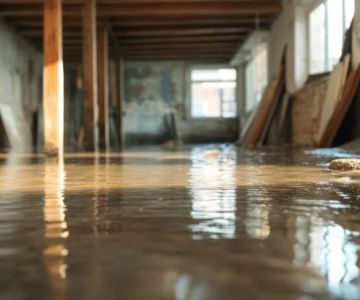
Use towels, mops, or a wet vacuum to remove visible water. The faster this step is completed, the lower the risk of bathroom floor water cleanup turning into structural repair work.
Drying the Bathroom and Controlling Hidden Moisture
Even after visible water is removed, moisture remains trapped in materials. This is where many homeowners underestimate the problem and later face mold or warping issues.
Ventilation and Airflow Strategy
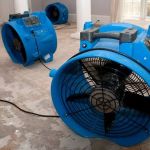
Open windows, turn on exhaust fans, and use portable fans to circulate air. Proper airflow helps reduce humidity levels and speeds up evaporation from walls and floors.
Using Dehumidifiers for Deep Drying
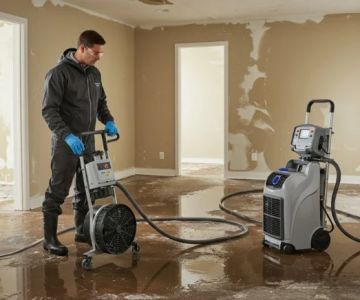
A dehumidifier is essential for pulling moisture out of drywall and subfloor layers. Without it, hidden dampness can remain for days or even weeks, increasing the risk of mold growth.
Checking for Ceiling Leaks Below
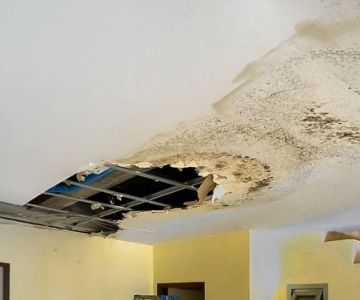
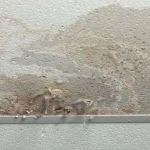
If the bathtub is located on an upper floor, inspect the ceiling below for stains or dripping water. A ceiling leak from bathtub overflow often appears hours later and indicates deeper structural penetration.
Repairing Walls, Floors, and Wet Drywall After Overflow
Once drying begins, repair work can be evaluated. Not all materials can be saved after exposure to water, especially if saturation lasted longer than a few hours.
Wet Drywall Repair or Replacement
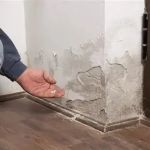
Drywall absorbs water quickly and loses structural integrity. If it feels soft, swollen, or crumbly, replacement is usually required. Minor surface moisture may be repaired after full drying and treatment.
Bathroom Floor Restoration
Tile floors may seem unaffected, but water often travels beneath grout lines. Vinyl or laminate flooring may warp or lift. Proper water damage repair includes checking subfloor stability before reinstalling flooring materials.
Baseboards and Wall Bottom Inspection
Baseboards often trap moisture behind them. Removing and inspecting these areas ensures no hidden water pockets remain that could later cause mold growth.
Real Case: A Simple Bath That Turned Into Whole-Room Damage
A homeowner in Texas left a bathtub running while answering a phone call. Within 15 minutes, water overflowed and spread across the bathroom floor into the hallway. At first glance, it looked like a simple cleanup situation.
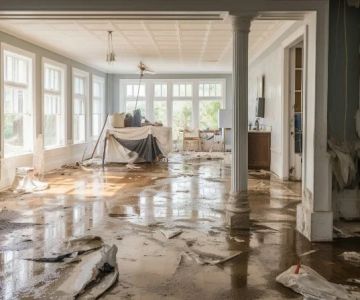
However, two days later, dark stains appeared on the ceiling of the room below. Inspection revealed that water had traveled through flooring gaps and soaked insulation layers. What began as a minor accident turned into a full home water restoration project involving flooring replacement, drywall repair, and mold treatment.
This case highlights why bathtub overflow water damage should never be underestimated, even when the surface appears dry shortly afterward.
Mold Prevention and Long-Term Moisture Protection
One of the biggest risks after any bathroom flooding event is mold development. Bathrooms are already humid environments, making them ideal for microbial growth if moisture is left behind.
Antimicrobial Treatment
After drying, surfaces should be treated with antimicrobial solutions to reduce the risk of mold spores developing inside walls or flooring.
Monitoring Humidity Levels
Keeping indoor humidity below 50% helps prevent recurring moisture issues. A simple hygrometer can help track bathroom conditions over time.
Regular Inspection of Seals and Grout
Cracked grout or worn caulking around bathtubs often leads to future leaks. Maintaining these small details prevents large-scale restoration needs later.
For homeowners looking for professional tools, guidance, or restoration resources, Reliable Damage Hub offers practical solutions for handling water damage repair situations effectively and safely.
Why Quick Action Matters More Than Anything Else
Water damage from bathtub overflow does not improve with time—it only spreads. The longer moisture remains inside walls or flooring, the more expensive and complex repairs become.
Understanding the flow of water, acting quickly, and following structured drying steps can mean the difference between a simple cleanup and a full-scale restoration project.
Final Practical Insight for Homeowners
Every overflow incident is different, but the response pattern remains the same: stop, dry, inspect, and repair. When handled correctly, even significant bathroom flooding can be fully restored without long-term structural consequences.
 Waypoint4.0 (6 reviews)
 Mann Brothers Property4.0 (40 reviews)
 I Dry Leaks5.0 (1 reviews)
 SERVPRO of Benicia/Martinez/Southeast Vallejo4.0 (21 reviews)
 Cotton Global Disaster Solutions - Alpharetta3.0 (2 reviews)
 Coastal Crawl Space & Foundation Repair4.0 (46 reviews)
 How to Restore Water-Damaged Wooden Furniture | Reliable Damage Hub
 How to Repair Water-Damaged Ceilings: A Complete Guide
 Water Damage Restoration for Retail Stores: How to Protect Your Business
 How to Restore Water-Damaged Clothing and Textiles
 The Key Steps in Water Damage Restoration: What to Expect
 Water Damage Restoration Tips for Homeowners with Pets: Protect Your Home & Pets