
- 1-Identifying-Attic-Water-Damage
- 2-Assessing-Damage-Severity-and-Safety
- 3-Removing-Soaked-Insulation-and-Debris
- 4-Drying-and-Dehumidifying-the-Attic
- 5-Repairing-Structural-Elements-and-Surfaces
- 6-Preventing-Future-Attic-Flooding
- 7-Real-Life-Examples-of-Attic-Water-Repair
1. Identifying Attic Water Damage
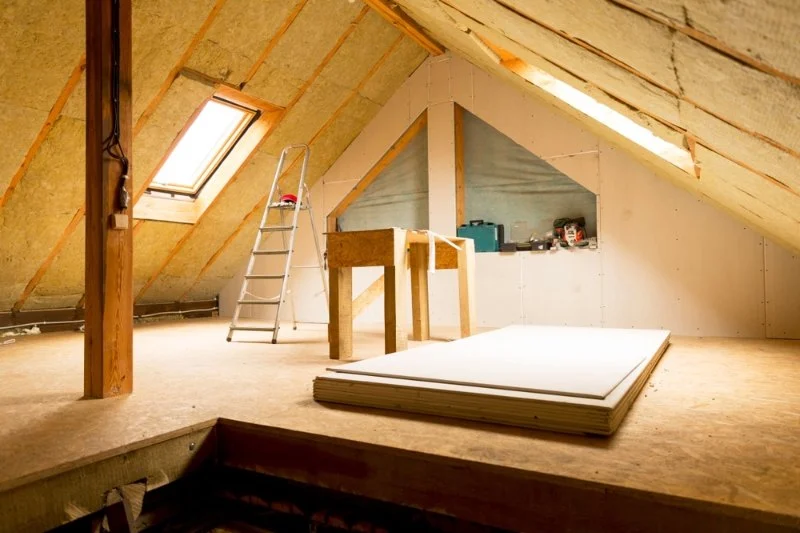
After a flood, your attic may be one of the most vulnerable areas for water damage. Signs of water intrusion include wet or sagging insulation, visible water stains on beams and rafters, mold growth, and a musty odor. Early detection is crucial to prevent structural damage and health hazards.
Inspect the attic carefully, paying attention to areas around vents, roof penetrations, and eaves, as these are common entry points for water. Identifying the full scope of damage helps determine whether simple drying is sufficient or if comprehensive repairs are necessary.

Kustom US Restoration / kustom restoration
1215 W Houston Ave Suite A, Gilbert, AZ 85233, USA
2. Assessing Damage Severity and Safety
Before starting any repair, evaluate the severity of the water damage and ensure safety. Check for weakened beams or floor joists that could compromise structural integrity. Turn off electricity to affected areas, as water can create dangerous conditions with wiring.
Use moisture meters or infrared cameras to detect hidden water pockets, which may not be immediately visible. Understanding the damage level allows for an effective repair plan and prevents further deterioration.

Wizard Restorations Inc / puroclean of san fernando
Rancho CucamongaSan Bernardino CountyCalifornia
10245 8th St, Rancho Cucamonga, CA 91730, USA
3. Removing Soaked Insulation and Debris
Water-damaged insulation should be removed promptly, as it loses effectiveness when wet and becomes a breeding ground for mold. Carefully remove any soaked insulation and dispose of it properly.
Additionally, clear out debris and any personal items that may have been affected. This step ensures that the attic space is ready for thorough drying and restoration.
4. Drying and Dehumidifying the Attic
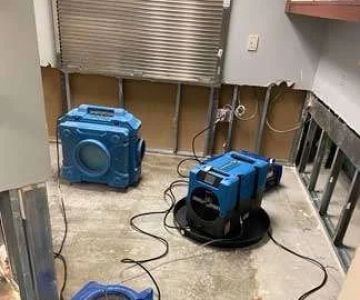
Thorough drying is key to preventing mold and structural decay. Use high-powered fans and industrial dehumidifiers to circulate air and remove moisture. Ensure proper airflow in all corners of the attic, as water can remain trapped in hidden areas.
In some cases, heat mats or portable heaters can be employed to speed up the drying process. Maintaining optimal humidity levels during this stage is critical to prevent secondary damage.
5. Repairing Structural Elements and Surfaces
Once the attic is dry, inspect structural components like beams, rafters, and subflooring for any remaining damage. Replace weakened wood, repair cracks, and treat affected surfaces with mold-resistant coatings.
If water has damaged drywall or other finishes, replace these materials and ensure proper sealing to prevent future water intrusion. Attention to detail during this phase ensures the attic remains safe and functional.
6. Preventing Future Attic Flooding
Prevention is crucial to protect your attic from future water damage. Regularly inspect the roof for leaks, damaged shingles, or clogged gutters. Install roof vents and waterproof membranes where necessary.
Consider improving attic insulation and ventilation to reduce moisture accumulation. Implementing these preventive measures can significantly reduce the risk of water damage during heavy rains or floods.
7. Real-Life Examples of Attic Water Repair
Case Study 1: A homeowner experienced flooding in their attic after a severe storm. By removing wet insulation and using industrial dehumidifiers, they dried the space completely within 48 hours. Minor beam repairs and mold-resistant coatings restored the attic safely.
Case Study 2: After a roof leak led to prolonged attic flooding, a professional restoration team replaced damaged rafters, repaired drywall, and improved attic ventilation. The homeowner prevented future leaks and maintained structural integrity.
These cases demonstrate that timely assessment, proper drying, and strategic repairs are essential for successful attic water damage restoration.

 Gladiator Restoration4.0 (46 reviews)
 Restoration 1 of Flatirons4.0 (32 reviews)
 Voda Cleaning & Restoration of North Dallas4.0 (52 reviews)
 Western Disaster Cleanup4.0 (217 reviews)
 Carmel's Mold Removal5.0 (9 reviews)
 American Standard Foundation Repair4.0 (92 reviews)
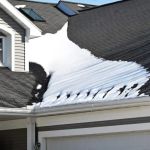 How to Deal With Water Damage From Roof Ice Dams
 How to Prevent Water Damage from Affecting Your Furniture
 How to Restore Water-Damaged Books and Papers
 Water Damage Restoration for Hotels and Motels: Fast and Reliable Solutions
 How to Restore Water-Damaged Clothing and Textiles
 How to Prevent Water Damage From Leaky Appliances