
- understanding-washing-machine-overflow-damage
- why-overfilling-causes-serious-problems
- immediate-actions-after-an-overflow
- deep-cleaning-and-drying-process
- hidden-damage-you-should-check
- real-life-example-laundry-room-flood
- how-to-prevent-future-overflow-incidents
- when-professional-help-is-needed
Understanding Washing Machine Overflow Damage
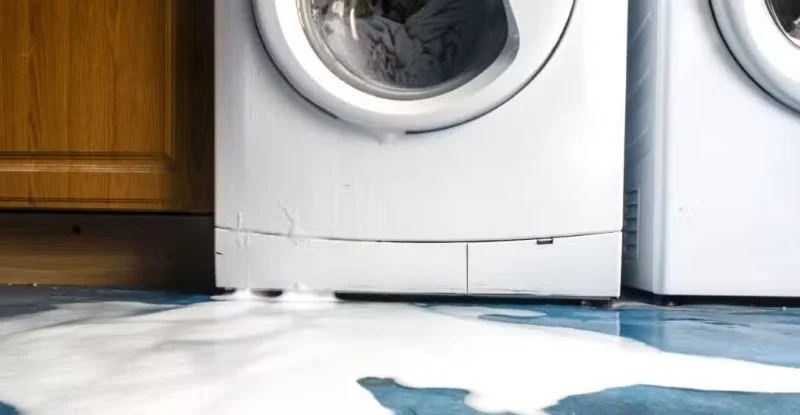
It often starts as a small mistake—adding just a bit too much laundry or detergent. But an overfilled washing machine can quickly lead to water spilling onto your floors, seeping into walls, and damaging nearby structures. Knowing how to handle water damage from an overfilled washing machine is essential for any homeowner who wants to avoid costly repairs.
Unlike slow leaks, overflow incidents release a sudden volume of water. This can saturate flooring materials like wood, laminate, or carpet in minutes, making immediate action critical.
Why Overfilling Causes Serious Problems
Overloading a washing machine puts stress on its internal systems, leading to overflow or improper drainage.
1. Excess Water Retention
Too many clothes prevent proper spinning, causing water to remain trapped and spill out during cycles.
2. Detergent Overuse
Using too much detergent creates excessive suds, which can block drainage and force water out of the machine.
3. Drainage System Strain
An overloaded washer can overwhelm the drainage system, leading to backups and overflow.
Immediate Actions After an Overflow
Acting quickly can significantly reduce the extent of water damage.
1. Turn Off the Power and Water Supply
Safety comes first. Disconnect the washing machine and shut off the water source to prevent further flooding.
2. Remove Standing Water
Use towels, mops, or a wet vacuum to absorb as much water as possible. The faster you remove water, the less damage it causes.
3. Move Affected Items
Relocate rugs, furniture, and nearby items to a dry area to prevent further absorption and staining.
4. Increase Air Circulation
Open windows and use fans or dehumidifiers to start the drying process immediately.
Deep Cleaning and Drying Process
Once the initial water is removed, deeper cleaning is necessary to prevent long-term damage.
1. Dry Flooring Thoroughly
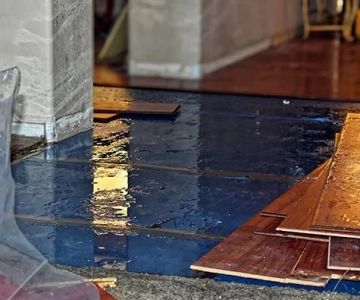
Wood and laminate floors are especially vulnerable. Moisture trapped underneath can lead to warping or mold growth.
2. Clean and Disinfect
Even clean water can carry contaminants. Use appropriate cleaning solutions to sanitize affected areas.
3. Use Dehumidifiers
Reducing humidity levels helps prevent mold and speeds up the drying process.
4. Inspect Subflooring
If water has seeped below the surface, additional drying or repairs may be required.
Hidden Damage You Should Check
Some of the most serious issues from water damage are not immediately visible.
1. Mold Growth
Moist environments can lead to mold within 24–48 hours, especially in enclosed spaces.
2. Wall Damage
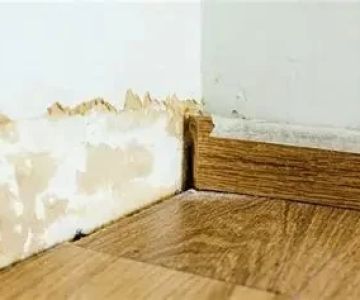
Water can seep into drywall, weakening its structure and causing discoloration or bubbling.
3. Electrical Risks
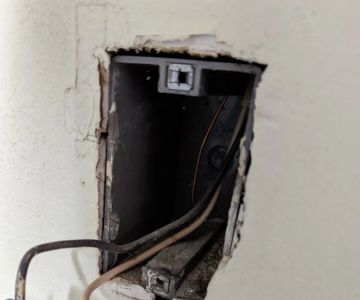
Water exposure near outlets or wiring can create dangerous electrical hazards.
Real-Life Example: Laundry Room Flood
A homeowner in Texas once overloaded their washing machine before leaving for work. During the spin cycle, water overflowed and spread across the laundry room, eventually seeping into adjacent hardwood flooring.
By the time they returned, the damage had extended beyond the laundry area. The repair involved replacing sections of flooring and treating mold growth beneath the surface. This situation could have been minimized with immediate action and proper loading habits.
How to Prevent Future Overflow Incidents
Preventing overflow is easier and far less expensive than repairing water damage.
1. Follow Load Capacity Guidelines
Always adhere to your washing machine’s recommended load limits to ensure proper operation.
2. Measure Detergent Carefully
Using the correct amount of detergent prevents excessive suds and drainage issues.
3. Check Hoses and Connections
Regularly inspect hoses for wear or leaks to maintain a reliable water system.
4. Install Overflow Protection Devices
Modern solutions can detect leaks and automatically shut off water supply.
When Professional Help Is Needed
If water damage spreads beyond surface-level issues or involves structural components, professional assistance becomes necessary. Experts can assess hidden damage, prevent mold, and restore affected areas efficiently.
For those unsure about the extent of the damage, Reliable Damage Hub provides access to trusted solutions and services that help homeowners recover quickly and safely.
 Water Damage Services Huntsville2.0 (1 reviews)
 SERVPRO of Jamestown / Olean4.0 (381 reviews)
 FRSTeam4.0 (4 reviews)
 Wet To Dry Mitigation Services Inc5.0 (28 reviews)
 Surfside Carpet Cleaning4.0 (127 reviews)
 Complete Detail Cleaning & Restoration5.0 (539 reviews)
 Water Damage Repair for Basement Flooring
 Water Damage Restoration for Commercial Offices: Protecting Business Continuity
 How to Manage Water Damage in Multi-Story Buildings After a Flood
 The Best Ways to Handle Water Damage Restoration on a Budget
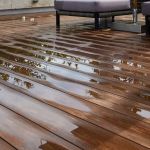 How to Dry Out Water-Damaged Wooden Floors | Step-by-Step Guide
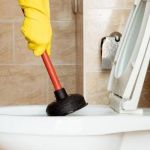 What You Need to Know About Water Damage from Clogged Toilets