
- 1-Signs of Hidden Roof Leaks
- 2-How Water Damage Affects Your Home
- 3-Steps to Identify Water Damage from Roof Leaks
- 4-Common Areas to Check for Water Damage
- 5-Reliable Damage Hub Recommendations
1. Signs of Hidden Roof Leaks
Water leaks in your roof can often go unnoticed, especially if they are hidden within the attic or behind walls. However, there are several subtle signs that can indicate water damage from a hidden roof leak. Knowing what to look for can help you catch the problem early before it leads to significant damage.
Giants / dry kings restoration of san francisco
San FranciscoSan Francisco CountyCalifornia
685 Geary Blvd, San Francisco, CA 94102, USA
1.1 Stains on the Ceiling
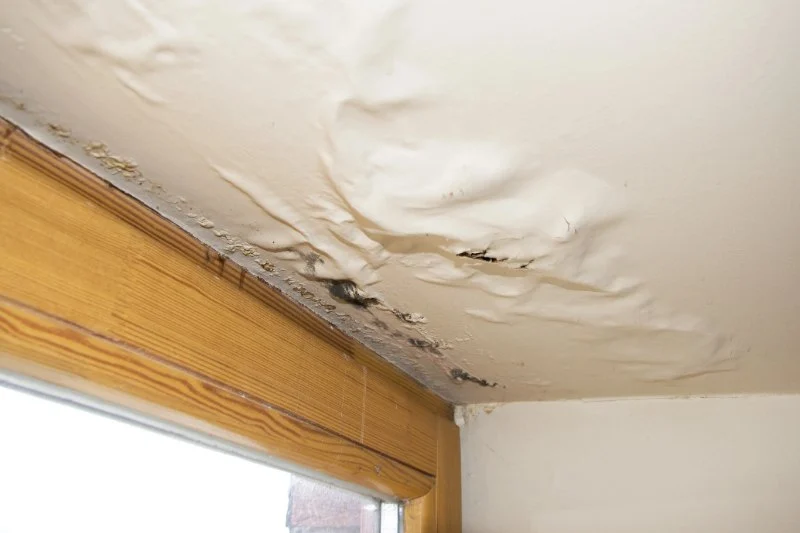
One of the most common signs of a roof leak is water stains on your ceiling. These stains may start as small, discolored patches and gradually spread. If left unchecked, these stains can grow larger, indicating that water has been accumulating over time.
SERVPRO of Pompano Beach / servpro fort lauderdale south
Pompano BeachBroward CountyFlorida
2101 NW 33rd St #200a, Pompano Beach, FL 33069, USA
1.2 Musty Odor
A musty or damp smell in certain areas of your home can be a clear indicator of water intrusion. If the odor is persistent and occurs after a rainstorm or snowmelt, it’s worth inspecting your roof for leaks. The smell is often caused by mold or mildew, which thrive in damp environments.
1.3 Sagging Ceilings or Walls
Excess moisture can weaken the structural integrity of your ceiling or walls. If you notice areas of your ceiling or walls starting to sag, it could be a result of prolonged water exposure. This is a serious sign of water damage that should not be ignored.
2. How Water Damage Affects Your Home
Water damage from hidden roof leaks can cause significant problems for your home. The longer the leak goes undetected, the more extensive the damage can be. Here’s how water damage can affect different parts of your home:
2.1 Structural Damage
Water can weaken the structural components of your home, such as beams, joists, and insulation. Over time, this can compromise the stability of your home and lead to costly repairs.
2.2 Mold and Mildew Growth
Moisture from a roof leak provides the perfect breeding ground for mold and mildew. These fungi can spread quickly in damp conditions, causing potential health risks for you and your family, and requiring expensive remediation efforts.
2.3 Electrical Hazards
If water reaches your electrical wiring or outlets, it can create a serious fire hazard. Water and electricity do not mix, and electrical components can become compromised when exposed to moisture, increasing the risk of electrical fires.
3. Steps to Identify Water Damage from Roof Leaks
If you suspect your roof may have a hidden leak, it’s essential to take action quickly. Here are the steps you can follow to identify water damage caused by a roof leak:
3.1 Inspect Your Attic
Start by checking your attic for signs of water damage. Look for wet insulation, damp rafters, or signs of mold growth. Even small puddles of water can indicate a leak. Make sure to inspect the attic during or after a rainstorm to identify any active leaks.
3.2 Examine Roof Flashing
The flashing around chimneys, skylights, and vents is a common area for leaks. Check for any cracks or damage to the flashing material. If the flashing is worn or missing, it can allow water to seep in and cause damage over time.
3.3 Look for Missing or Damaged Shingles
Check the condition of your roof shingles from the outside. Missing, cracked, or curling shingles can allow water to enter the roof. Even if the shingles look intact, inspect the areas where they meet other roofing materials, as these joints can be vulnerable to leaks.
3.4 Test for Moisture with a Moisture Meter
If you're still unsure whether your roof has a leak, a moisture meter can help detect hidden moisture behind walls and ceilings. These devices measure the moisture content in materials and can give you an accurate reading of where water may have infiltrated your home.
4. Common Areas to Check for Water Damage
When inspecting your home for water damage caused by a roof leak, be sure to check these common areas:
4.1 Ceiling and Walls
Water stains and sagging in the ceiling or walls are among the most noticeable signs of water damage. If you see dark spots, peeling paint, or bulging drywall, these may indicate that water has been leaking from your roof for some time.
4.2 Attic and Roof Decking
Water can travel along the roof decking and rafters, so inspecting these areas in the attic can help identify hidden leaks. Look for areas with wet insulation or visible water droplets on the wood. A flashlight can help you see any moisture that may not be immediately visible.
4.3 Windows and Doors
Leaks around windows and doors can sometimes be a result of roof damage. Check these areas for any signs of water seepage, especially after heavy rainstorms. The flashing around windows and doors should be intact to prevent water from getting inside your home.
5. Reliable Damage Hub Recommendations
If you’re experiencing water damage from a hidden roof leak, it’s important to address the issue as soon as possible. At Reliable Damage Hub, you can find tools and products to help with roof inspections and water damage repairs. Recommended items include:
- Moisture meters for detecting hidden moisture
- Roof patch kits for temporary fixes
- Waterproofing sealants to protect vulnerable areas
- Roof inspection tools for identifying damage
Visit Reliable Damage Hub for the best solutions to repair water damage and protect your home from future leaks!
 Royal Plus Disaster Cleanup3.0 (8 reviews)
 Fire Damage Patrol5.0 (1 reviews)
 SERVPRO of Manteca4.0 (40 reviews)
 BELFOR Property Restoration (Akron)3.0 (17 reviews)
 ABC Environmental Contracting Services4.0 (59 reviews)
 All Brite Cleaning & Restoration, Inc.4.0 (32 reviews)
 Water Damage Restoration for Offices: A Complete Guide
 Water Damage Repair for Wooden Doors and Frames
 How to Handle Water Damage from Washing Machines: Causes, Repairs & Prevention
 How to Handle Water Damage From Burst Water Heaters – Cleanup, Repair & Prevention
 Water Damage Restoration for Hotels and Resorts: Protecting Guest Experience and Property
 How to Deal With Water Damage After Sewer Backups: A Comprehensive Guide