
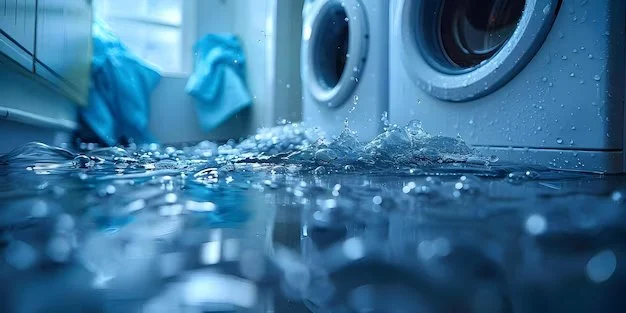
How to Handle Water Damage From Washing Machines
- 1 - Understanding Water Damage from Washing Machines
- 2 - Common Causes of Washing Machine Leaks
- 3 - How to Assess the Water Damage
- 4 - Steps to Repair Water Damage from Washing Machines
- 5 - How to Prevent Future Water Damage
- 6 - Real-Life Case: How Quick Action Prevented Major Damage
1. Understanding Water Damage from Washing Machines
Water damage from washing machines is one of the most common household issues that can cause significant disruption. It can occur when a washing machine leaks water due to faulty connections, broken parts, or improper installation. Over time, even small leaks can lead to extensive water damage, affecting floors, walls, and furniture, as well as potentially causing mold growth and structural problems.
Recognizing the risk and understanding the possible consequences of water damage from washing machines can help you take quick action to mitigate the damage and prevent future issues. The sooner you identify and address the leak, the less likely it is that you will face costly repairs or long-term damage.
2. Common Causes of Washing Machine Leaks
Several factors can lead to water damage from washing machines. Here are some common causes to watch for:
SERVPRO of Pompano Beach / servpro fort lauderdale south
Pompano BeachBroward CountyFlorida
2101 NW 33rd St #200a, Pompano Beach, FL 33069, USA
2.1 Faulty Hoses
The most frequent cause of washing machine leaks is a broken or cracked hose. These hoses connect your washing machine to your water supply, and over time, they can become brittle or develop leaks due to wear and tear. It’s essential to regularly inspect these hoses for any signs of damage, such as bulges or cracks.
Giants / dry kings restoration of san francisco
San FranciscoSan Francisco CountyCalifornia
685 Geary Blvd, San Francisco, CA 94102, USA
2.2 Clogged Drain Pump
If the drain pump of your washing machine is clogged, it can cause water to overflow or leak from the machine during operation. This can result in water spilling onto the floor and surrounding areas. Regularly cleaning the pump and ensuring the drain is clear can help prevent this issue.
2.3 Overloading the Washing Machine
Overloading your washing machine can strain the appliance and cause excessive water spillage. When the machine is overloaded, it may fail to properly drain water, leading to leaks and potential water damage. Always follow the manufacturer’s recommended load size to avoid this problem.
2.4 Damaged Door Seal
The rubber door seal on front-loading washing machines is crucial for preventing water from leaking out during washing cycles. If the seal becomes worn or damaged, water may leak from the door during use. Regularly inspect the door seal and replace it if necessary to prevent leaks.
3. How to Assess the Water Damage
Once you’ve discovered a leak from your washing machine, it’s crucial to assess the extent of the damage to avoid further issues. Here’s how you can evaluate the situation:
3.1 Inspect the Affected Area
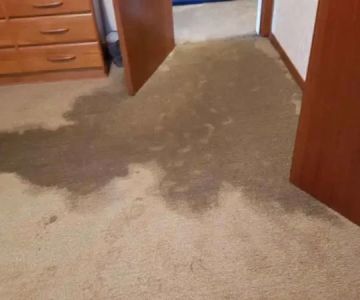
Check the area around the washing machine for visible water damage. Look for damp spots on the floor, baseboards, or walls. If you notice any puddles of water, immediately mop them up to prevent further water absorption.
3.2 Check for Mold and Mildew
Water leaks, if left unaddressed, can lead to mold and mildew growth, which can pose serious health risks. If you notice a musty smell or see visible mold, it’s essential to address the issue as soon as possible. You may need professional help to properly clean up mold and prevent it from spreading.
3.3 Examine Structural Damage
Prolonged exposure to water can damage the structure of your home, particularly wood and drywall. If you notice sagging floors or peeling paint on the walls, it could be a sign of significant structural damage. In severe cases, it may require the help of a contractor to assess and repair the damage to your home’s foundation or framing.
4. Steps to Repair Water Damage from Washing Machines
If the water damage from your washing machine is significant, it’s important to take immediate action to minimize the damage. Here are the steps to follow:
4.1 Turn Off the Water Supply
Before you do anything, turn off the water supply to the washing machine to prevent further leaks. You can do this by turning off the valve that supplies water to the appliance.
4.2 Clean Up the Water
Remove any standing water as soon as possible using towels, a wet-dry vacuum, or a mop. The quicker you dry out the area, the less likely it is that water will cause long-term damage. Pay particular attention to the floor and any other surfaces that have been exposed to water.
4.3 Dry the Affected Area
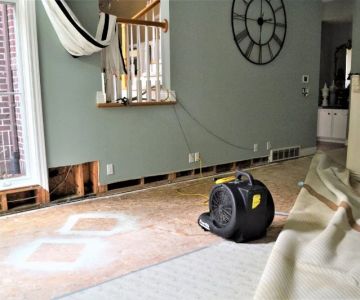
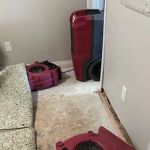
Use fans and dehumidifiers to dry out the area thoroughly. The goal is to remove all moisture, which will help prevent mold and mildew growth. If the water has reached the walls or carpet, it’s crucial to dry those areas as well.
4.4 Repair the Leaking Machine
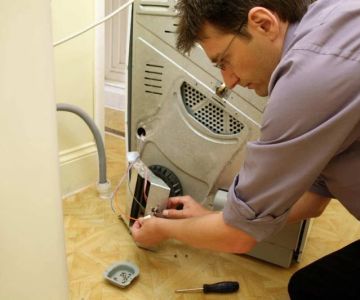
Once the area is dry, you can begin to repair the washing machine. Start by checking the hoses, pump, and door seals for any visible signs of damage. Replace any faulty components, and test the machine to ensure the leak is fixed. If you’re not comfortable making repairs yourself, consider calling a professional appliance repair technician.
5. How to Prevent Future Water Damage
Preventing future water damage from your washing machine is essential to keep your home safe and avoid costly repairs. Here are a few tips to help you protect your home:
5.1 Regular Maintenance
Regularly inspect your washing machine for any signs of wear or damage. Check hoses for cracks, inspect the door seal, and clean the pump filter. It’s also a good idea to keep the area around your washing machine clean and dry to prevent mold and mildew buildup.
5.2 Upgrade to High-Quality Hoses
If you’re using old or low-quality hoses, consider upgrading to more durable braided stainless steel hoses. These hoses are less likely to burst and can withstand higher pressure, reducing the risk of leaks.
5.3 Avoid Overloading the Machine
Overloading your washing machine can strain the appliance and increase the risk of leaks. Follow the manufacturer’s guidelines for load size to ensure the machine operates efficiently and without issues.
6. Real-Life Case: How Quick Action Prevented Major Damage
One homeowner, Tim, experienced a water leak from his washing machine when a hose burst unexpectedly. The leak spread across his laundry room and into the adjacent hallway. Fortunately, Tim had installed a water leak detection system in his home, which alerted him to the issue within minutes of the hose breaking.
By quickly turning off the water supply and cleaning up the area, Tim was able to prevent significant damage. He replaced the broken hose with a more durable model and performed regular maintenance checks afterward. Tim’s proactive approach saved him from costly repairs and ensured his home was protected from future leaks.
 Anytime Restoration Services4.0 (180 reviews)
 Urgent Island Restoration4.0 (37 reviews)
 1-800 Water Damage of Ellicott City5.0 (54 reviews)
 The Basement Doctor4.0 (91 reviews)
 AAA Mountain Waterproofing, LLC4.0 (9 reviews)
 PuroClean of Northwest Austin5.0 (50 reviews)
 How to Choose the Best Water Damage Restoration Company Near You
 How to Restore Water-Damaged Rugs and Carpets
 Water Damage Repair for Subflooring Under Carpets
 Water Damage Restoration Tips for Home Renovations - Effective Solutions
 Water Damage Restoration for Retail Spaces: Effective Solutions for Commercial Properties
 Water Damage Restoration for Hotels and Resorts: Protecting Guest Experience and Property