
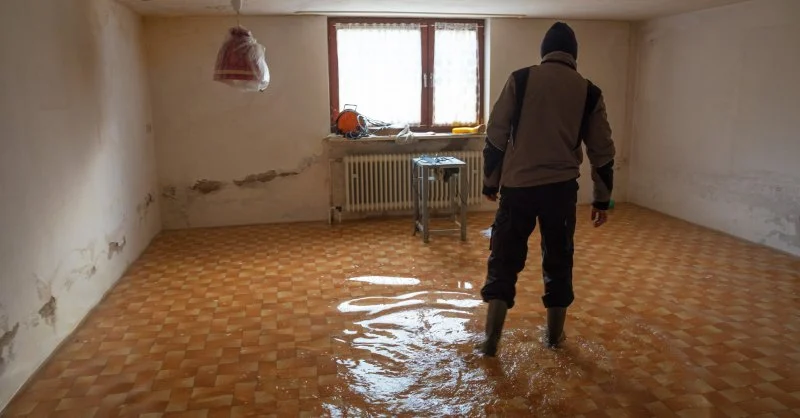
1-Understanding the Impact of Water Damage from Heavy Rainfall
Heavy rainfall can lead to significant water damage, especially if your home isn’t adequately prepared to handle large volumes of water. Whether it’s flooding from clogged gutters, rising water levels, or leaking roofs, water damage can wreak havoc on your property and possessions. While water damage from heavy rainfall can be overwhelming, acting quickly and efficiently can help mitigate its impact and prevent long-term issues like mold and structural damage.
This article will guide you through the necessary steps to take when dealing with water damage caused by heavy rainfall, from immediate actions to long-term prevention strategies. By understanding how to handle the situation, you can minimize the damage and get your home back to normal as quickly as possible.

Wizard Restorations Inc / puroclean of san fernando
Rancho CucamongaSan Bernardino CountyCalifornia
10245 8th St, Rancho Cucamonga, CA 91730, USA
2-Immediate Actions to Take After Water Damage
When heavy rainfall leads to water damage in your home, it’s essential to act fast. The quicker you address the issue, the less damage your property will sustain. Here are the first steps you should take immediately after noticing water damage:
- Shut Off the Water Supply: If the water damage is caused by an internal leak or flooding, the first thing you need to do is turn off your home’s water supply to prevent more water from entering the property.
- Turn Off Electricity: If water has reached electrical outlets or appliances, it’s important to turn off the electricity in the affected areas to avoid the risk of electrical shock. Always prioritize safety when dealing with water near power sources.
- Move Belongings: Quickly move valuable items such as electronics, documents, and furniture to a dry area to prevent them from being damaged further.
- Remove Standing Water: If possible, start removing standing water with a mop, towel, or a wet/dry vacuum. The faster you can remove the water, the less chance it has to cause extensive damage.
3-How to Assess the Extent of Water Damage
Once the immediate steps are taken to stop further damage, you need to assess how severe the water damage is. Here’s how you can do that:
- Inspect the Affected Areas: Walk through your home and look for water pooling in rooms, basements, or attics. Pay special attention to areas with carpeting or wood floors, as water can soak into these materials quickly.
- Check for Structural Damage: Water can weaken walls, ceilings, and floors, especially if it’s been sitting for a while. Look for signs of sagging, warping, or cracking in the structure of your home.
- Assess Mold Growth: Mold can begin to form within 24 to 48 hours after water exposure. Check for any musty smells or visible mold growth, especially in corners, under sinks, and in damp areas.
- Check for Damage to Electrical Systems: Inspect electrical outlets, switches, and appliances in water-affected areas. If any of these components have been submerged, they may need professional inspection and repair.
4-Preventing Future Water Damage from Heavy Rainfall
After you’ve dealt with the immediate water damage, it’s crucial to take steps to prevent future issues, especially if heavy rainfall is common in your area. Here are some preventive measures you can implement:
- Maintain Gutters and Downspouts: Ensure that your gutters and downspouts are clear of debris and functioning correctly. Clogged gutters can cause water to overflow and seep into your home.
- Install a Sump Pump: A sump pump can help prevent flooding in your basement by pumping excess water out. Make sure it’s in good working order, especially before the rainy season.
- Seal Windows and Doors: Check that windows and doors are properly sealed to prevent water from leaking inside during heavy rain.
- Grade the Landscape: Ensure that the ground around your home slopes away from the foundation. This will help direct water away from the building and reduce the risk of water pooling around the foundation.
5-When to Call for Professional Help
While some water damage can be managed on your own, certain situations require the expertise of professionals. Here’s when to call for professional help:
- If the Damage is Extensive: If you have extensive flooding or significant structural damage, it’s time to call in water damage restoration experts to ensure that the issue is addressed properly.
- If Mold Starts to Form: If mold begins to develop, you should call professionals to remove it. Mold remediation requires specialized equipment and knowledge to safely remove it without spreading spores.
- If the Electrical System is Affected: If water has damaged electrical outlets or wiring, do not attempt to fix it yourself. Call a professional to inspect and repair the system.
6-Recommended Products for Water Damage Restoration
To help with water damage restoration, there are a few essential products that can assist in the cleanup process:
- Dehumidifiers: These are essential for drying out damp areas and preventing mold growth. They work by removing excess moisture from the air.
- Wet/Dry Vacuums: A wet/dry vacuum is invaluable for removing standing water from carpets, floors, and other surfaces.
- Moisture Meters: Moisture meters are useful for determining the level of water damage in various materials, such as wood, drywall, or concrete.
- Waterproofing Products: Consider applying waterproofing coatings to your basement walls or foundation to prevent future leaks during heavy rainfall.
If you need reliable products to help with water damage restoration, check out Reliable Damage Hub for the best tools and services to get your home back to normal.
 VioClean4.0 (72 reviews)
 Adirondack Building Services5.0 (2 reviews)
 SERVPRO of Southeastern Cuyahoga County4.0 (64 reviews)
 Tar Heel Basement Systems4.0 (75 reviews)
 Cardinal Restoration4.0 (61 reviews)
 SERVPRO of Rockingham County5.0 (46 reviews)
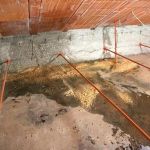 How to Identify and Fix Water Damage in Your Crawl Space
 How to Dry Out Water-Damaged Mattresses: A Step-by-Step Guide
 How to Minimize Water Damage in Your Home During Winter
 What to Do When Your Bathroom Floods - Reliable Damage Hub
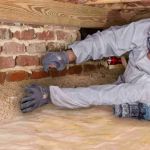 Water Damage Repair for Wet Crawl Spaces | Reliable Damage Hub
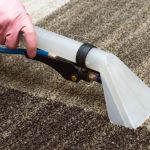 How to Dry Out Water-Damaged Carpets Effectively | Step-by-Step Guide