
DIY Water Damage Repair: When to Tackle It Yourself and When to Call Professionals
Water damage can occur in any home due to a variety of reasons, from heavy rainstorms to plumbing failures. Knowing how to handle water damage properly is crucial to prevent further issues, such as mold growth or structural damage. In this article, we will discuss when it's appropriate to handle water damage repairs yourself and when it's best to call in the professionals.
- Understanding Water Damage
- How to Handle Minor Water Damage
- When to Call Professionals for Water Damage
- Real-Life Case Studies of Water Damage
1. Understanding Water Damage
Water damage can be categorized into three main types: clean water, gray water, and black water. Understanding the differences is essential in determining the severity of the damage and how to proceed with repairs:

Drip Restoration / valleywide restoration mesa az
932 S Stapley Dr, Mesa, AZ 85204, USA
1.1 Clean Water Damage
This type of damage occurs when clean water leaks into your home, such as from a broken pipe or a leaking faucet. It poses minimal risk to your health, and DIY repairs are often sufficient.
Giants / dry kings restoration of san francisco
San FranciscoSan Francisco CountyCalifornia
685 Geary Blvd, San Francisco, CA 94102, USA
1.2 Gray Water Damage
Gray water is wastewater from sources like sinks, washing machines, or dishwashers. Although not as dangerous as black water, it can still carry harmful contaminants and may require professional cleaning to ensure safety.
1.3 Black Water Damage
Black water is highly contaminated water, typically from sewage backups or flooding. It contains harmful bacteria and viruses, making it hazardous to handle. Professional help is necessary in these cases.
2. How to Handle Minor Water Damage
For small-scale water damage, it's possible to handle the situation yourself. Here are the basic steps for managing minor water damage:
2.1 Identify the Source of Water
The first step is to identify and stop the source of the water. If it's from a plumbing issue, turn off the water supply. If it's from a leak, use towels or a bucket to catch the excess water.
2.2 Dry the Affected Area
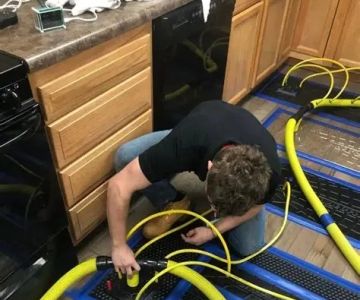
Dry the affected area as quickly as possible using towels, fans, or dehumidifiers. The quicker the area is dried, the less chance there is for mold to develop.
2.3 Remove Damaged Materials
If furniture or other items are waterlogged, remove them from the area. Carpets, insulation, or drywall that has been severely damaged may need to be replaced.
2.4 Use Mold-Resistant Products
After cleaning up, you can use mold-resistant sprays or treatments to prevent further mold growth, especially if the area is in a humid environment.
3. When to Call Professionals for Water Damage
While minor water damage can often be handled DIY, there are situations where calling in professionals is necessary to ensure that the problem is fully addressed. Here are some scenarios where professional help is crucial:
3.1 Extensive Water Damage
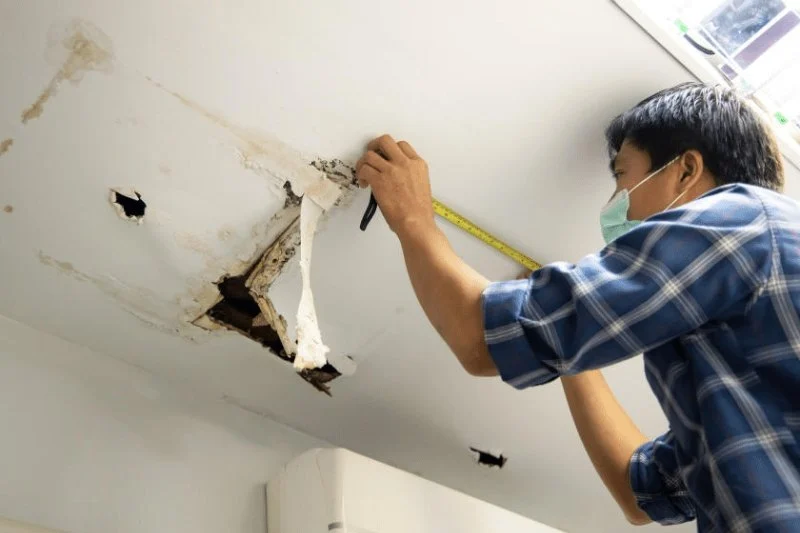
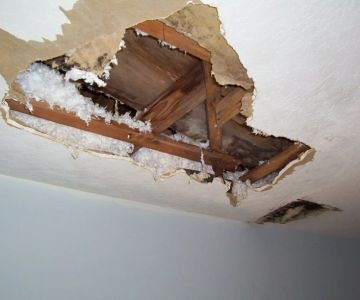
If the damage is widespread—such as flooding in multiple rooms or damage that affects structural elements like the foundation or ceiling—it's best to call professionals. They have the tools and expertise to handle large-scale water damage efficiently and safely.
3.2 Black Water or Sewage Backup
In cases of black water or sewage backups, professionals are required to handle the hazardous waste properly. Attempting to clean up black water on your own could expose you to harmful bacteria and pathogens.
3.3 Mold Growth
Water damage often leads to mold growth, which can be dangerous to your health. If mold starts to appear within 24-48 hours of water exposure, you should call a mold remediation expert. They will assess the mold issue and ensure it’s removed safely.
4. Real-Life Case Studies of Water Damage
Let's take a look at two real-life examples to understand how water damage was handled and the outcomes:
4.1 Case Study: Minor Leaks and DIY Fixes
John, a homeowner, discovered a small leak under his kitchen sink. He quickly turned off the water supply, dried the area, and replaced the damaged pipes. He saved money by handling the repairs himself and was able to prevent any further damage.
4.2 Case Study: Major Flooding and Professional Help
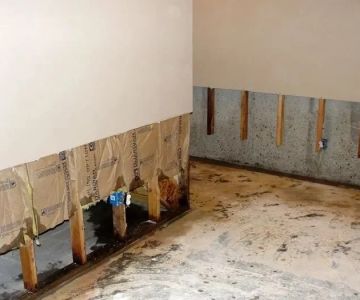
On the other hand, Sarah faced a situation where heavy rains caused flooding in her basement. The water damage was extensive, and she had a sewage backup. Sarah called in professionals who quickly pumped out the water, removed damaged materials, and cleaned the area thoroughly. Without their help, Sarah might have faced significant health risks and long-term damage.
If you're dealing with water damage, it’s essential to assess the situation carefully and determine whether it's something you can tackle yourself or if you need professional assistance. For expert help and the right products, visit Reliable Damage Hub for recommendations and services tailored to your needs.
 Green Gable5.0 (43 reviews)
 Paul Davis of South Atlanta4.0 (350 reviews)
 A&B Restoration Inc.5.0 (41 reviews)
 Cooper Cleaning & Restoration5.0 (170 reviews)
 A & I Fire & Water Restoration4.0 (26 reviews)
 Emerson Seward Painting LLC5.0 (13 reviews)
 Water Damage: How to Spot Early Warning Signs Before It’s Too Late
 How to Handle Water Damage from Burst Pipes: A Step-by-Step Guide
 How to Repair Water Damage for Tile and Grout: A Complete Guide
 How to Remove Mold After Water Damage
 How to Detect and Repair Water Damage in Wall Insulation: A Complete Guide
 The Pros and Cons of DIY Water Damage Repair: Is It Worth It?