
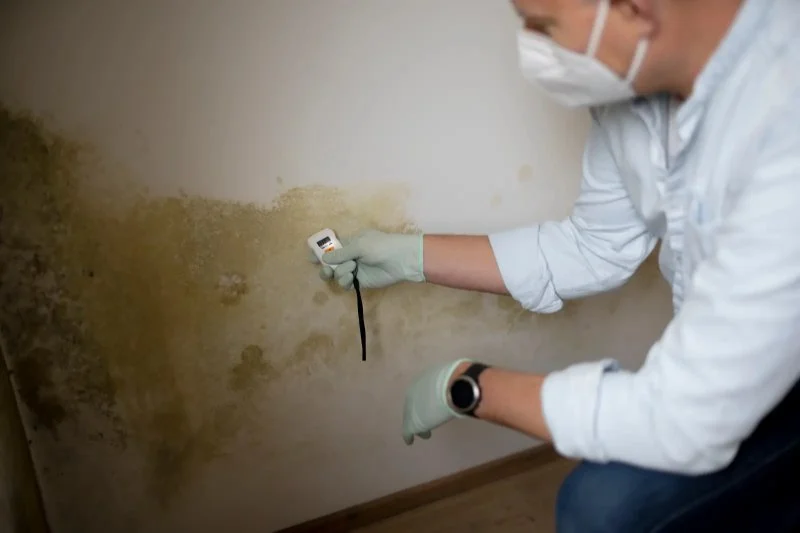
- 1. Understanding Mold After Water Damage
- 2. Signs of Mold Growth
- 3. How to Remove Mold
- 4. Prevention Tips
1. Understanding Mold After Water Damage
Water damage can lead to many serious problems in a home, one of which is mold growth. Mold thrives in moist environments, and after water damage—whether from a leak, flood, or burst pipe—your home becomes a prime target for mold infestation. Understanding mold's behavior after water damage is key to dealing with the issue effectively.
When water saturates materials like wood, drywall, and carpet, it provides an ideal environment for mold spores to grow. If left untreated, mold can spread quickly, leading to further structural damage and potential health issues. In this article, we'll explore how to identify mold after water damage, the steps to remove it safely, and how to prevent future mold growth.
SERVPRO of Pompano Beach / servpro fort lauderdale south
Pompano BeachBroward CountyFlorida
2101 NW 33rd St #200a, Pompano Beach, FL 33069, USA
2. Signs of Mold Growth
Mold doesn’t always make itself visible immediately, and it can grow in hidden areas such as behind walls, under flooring, or in attics. However, there are several common signs that mold is present:
- Musty Odors: A musty smell is often one of the first indicators that mold is growing. If you notice a persistent, damp smell in areas affected by water damage, it's a sign that mold may be developing.
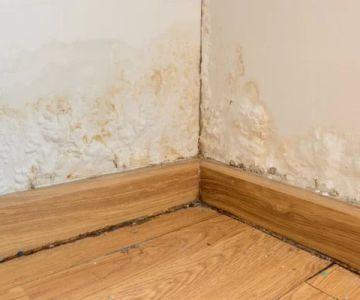
- Visible Mold: Mold can appear as dark patches or spots on walls, ceilings, or other surfaces. It can be green, black, white, or even orange depending on the type of mold.
- Discoloration and Staining: Water stains or discoloration on walls or ceilings may indicate that water has been sitting long enough for mold to begin growing.
- Health Issues: Mold exposure can cause respiratory issues, skin irritation, and allergic reactions. If you or your family members experience symptoms like coughing, sneezing, or itchy eyes after water damage, mold could be the culprit.
3. How to Remove Mold
If you've noticed signs of mold in your home after water damage, it's crucial to take action quickly. Here's how to remove mold safely and effectively:
- Wear Protective Gear: When removing mold, it’s important to wear protective gloves, goggles, and a mask to avoid exposure to mold spores. Mold removal can stir up spores, so take proper precautions.
- Ventilate the Area: Ensure proper ventilation by opening windows and using fans to help air circulation. This will help reduce moisture in the area and prevent further mold growth.
- Clean Small Areas Yourself: For small mold patches (less than 10 square feet), you can clean it yourself with a mixture of water and detergent or a solution of bleach and water (1 cup bleach to 1 gallon water). Scrub the affected areas, rinse, and dry completely.
- Remove Contaminated Materials: For larger areas of mold, or if the mold has grown into porous materials (like drywall or insulation), it’s best to remove and replace the affected materials. Mold can penetrate deep into these materials, making it difficult to clean them thoroughly.
- Consider Professional Help: For severe mold infestations, it’s advisable to hire a professional mold remediation service. They have the tools and expertise to safely remove mold and restore your home.
4. Prevention Tips
After successfully removing mold, it’s important to take steps to prevent it from coming back. Here are some prevention tips to keep your home safe from mold in the future:
- Fix Water Leaks: Mold thrives in moisture, so fix any plumbing leaks, roof leaks, or water infiltration issues promptly to prevent moisture from accumulating.
- Improve Ventilation: Ensure proper ventilation in areas like bathrooms, kitchens, and basements. Use exhaust fans and open windows when cooking or showering to reduce humidity.
- Control Indoor Humidity: Keep indoor humidity levels between 30-50% by using a dehumidifier, especially in humid climates. This will prevent the growth of mold.
- Dry Wet Areas Quickly: If your home experiences flooding or spills, dry the affected areas within 24-48 hours to prevent mold growth. Use towels, fans, or even a wet/dry vacuum to speed up the drying process.
If you're looking for more guidance on preventing or dealing with mold, visit Reliable Damage Hub for expert advice and services.
 Good Roads Water Damage Experts5.0 (1 reviews)
 R&R Foundation Specialist4.0 (305 reviews)
 MJ White4.0 (102 reviews)
 ATI Restoration3.0 (25 reviews)
 Modernistic4.0 (251 reviews)
 ServiceMaster Cleaning Services4.0 (27 reviews)
 Water Damage Restoration for Retail Spaces – Expert Tips and Real Cases
 How to Prevent and Repair Water Damage in Commercial Properties
 How to Protect Your Home’s Electrical System from Water Damage: Essential Tips
 Flooded Basement? Here’s How to Restore It Safely
 How to Handle Water Damage After a Storm: A Step-by-Step Guide
 How to Handle Water Damage from Burst Pipes: A Step-by-Step Guide