
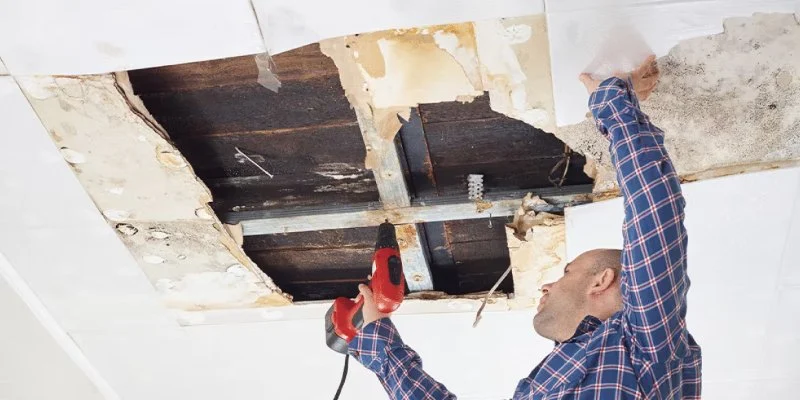
When Water Takes Over Your Home: Restoring Interior Structures After Serious Damage
- Damage Assessment - identifying structural impact early
- Drying Process - removing hidden moisture safely
- Material Restoration - walls, floors, and ceilings recovery
- Mold Control - preventing long-term health risks
- Real Case Insights - lessons from actual water damage recovery
Understanding What “Total Interior Water Damage” Really Means
When people hear water damage, they often imagine a small leak or a stained ceiling. But How to Fix Water Damage to Total Interior Structures is a much deeper issue. It refers to situations where water has penetrated multiple layers of a building—drywall, insulation, flooring systems, and sometimes even substructures like wood framing or subfloors.
In severe cases such as flooding, burst pipes, or long-term unnoticed leaks, water doesn’t just sit on surfaces—it spreads through capillary action, getting trapped inside materials. This is where real structural risk begins.
A homeowner in Houston once discovered this the hard way after a slow washing machine leak went unnoticed for weeks. By the time visible damage appeared, mold had already spread behind walls and into floor insulation.
Step One: Immediate Assessment and Safety Priorities
The first stage in any restoration process is identifying the full extent of the damage. This is not just about what is visible but what is hidden behind surfaces.
Professionals often begin with moisture meters, thermal imaging, and structural inspection tools. These allow them to detect dampness inside walls and flooring systems without tearing everything apart immediately.
Why Hidden Moisture Is the Real Threat
Surface drying can be misleading. A wall might feel dry while the inside remains saturated. This creates the perfect environment for mold growth and structural weakening over time.
In cases of severe water intrusion, electrical systems may also be compromised, making safety inspection a critical first step before any cleanup begins.
The Drying Phase: Removing Moisture from Deep Layers
Drying is the most important stage in restoring interior structures. Without proper drying, repair efforts become temporary fixes rather than long-term solutions.
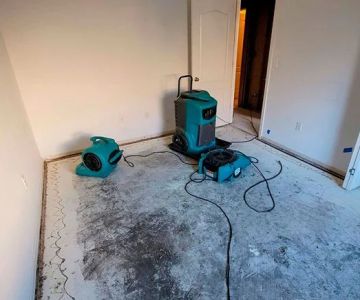
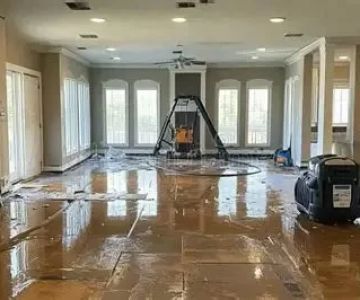
Industrial dehumidifiers, air movers, and controlled ventilation systems are typically used to extract moisture trapped in porous materials like drywall and wood.
Airflow Strategy Matters More Than Equipment Alone
Many homeowners assume renting a fan is enough. However, airflow direction, humidity control, and temperature balance all play a role in effective drying.
For example, cross-ventilation setups are often used in large open spaces to prevent moisture pockets from forming in corners or behind furniture.
Restoring Structural Elements: Walls, Floors, and Ceilings
Once drying is complete, the next phase involves evaluating which materials can be saved and which must be replaced. This is a critical decision point in How to Fix Water Damage to Total Interior Structures.
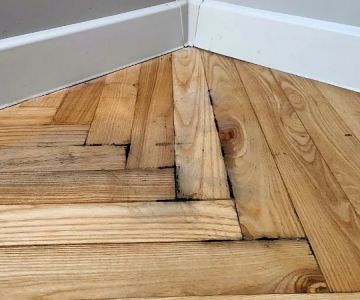
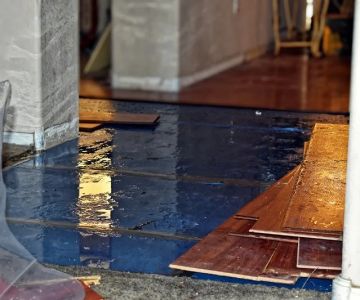
Drywall that has absorbed too much water often loses integrity and must be removed. Wood flooring may warp permanently if not addressed quickly. Ceiling materials can collapse if water has pooled above them.
Repair vs Replacement Decision-Making
Professionals typically follow a simple rule: if structural strength is compromised or mold has penetrated deeply, replacement is safer than repair.
However, in less severe cases, controlled drying and refinishing techniques can restore materials without full replacement, saving significant cost.
Mold Prevention: The Most Overlooked Stage
Even after visible drying, moisture can linger long enough to trigger mold growth within 24 to 72 hours. This makes prevention one of the most important parts of the process.
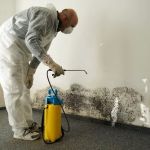
Antimicrobial treatments, HEPA filtration, and humidity control are commonly used to prevent spores from spreading.
A restoration team in Florida once reported that skipping mold prevention during a rushed rebuild led to full re-contamination within two weeks—doubling repair costs.
Why Mold Becomes a Structural Problem
Mold doesn’t just affect air quality. It breaks down organic building materials like wood and drywall, weakening structural integrity over time.
Real Case Study: Basement Flood Recovery in New Jersey
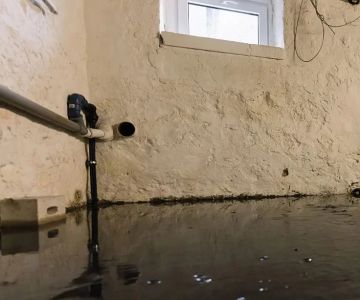
A residential basement flooded after a heavy storm overwhelmed drainage systems. Initially, homeowners attempted DIY cleanup using towels and fans. However, moisture continued to rise from beneath flooring.
When professionals arrived, they discovered saturated insulation behind drywall and hidden mold growth behind storage walls.
The restoration process required full wall removal, subfloor replacement, and industrial drying over several days. While costly, it prevented long-term structural failure.
Material Behavior: How Different Structures React to Water
Not all materials respond the same way to water exposure. Understanding this helps prioritize restoration steps.
Drywall and Gypsum Boards
These materials absorb water quickly and lose structural integrity almost immediately after saturation.
Wood Framing and Subfloors
Wood can sometimes be salvaged if drying begins early, but prolonged exposure leads to warping, swelling, and rot.
Concrete and Masonry
While more resistant, concrete can still trap moisture internally, leading to long-term humidity issues if not properly dried.
Long-Term Prevention Strategies After Restoration
Once repairs are complete, prevention becomes the priority. This includes improving drainage systems, sealing vulnerable areas, and maintaining proper indoor humidity levels.
Routine inspections can help identify small leaks before they escalate into full structural damage events.
Homeowners who invest in preventive maintenance often reduce future restoration costs significantly, especially in flood-prone regions.
Why Professional Restoration Services Make a Difference
While small water incidents can sometimes be handled independently, structural-level damage requires specialized knowledge and equipment.
Companies listed through platforms like Reliable Damage Hub provide access to trained professionals who understand moisture mapping, structural drying, and mold remediation protocols.
This expertise ensures that restoration is not just cosmetic but structurally sound and long-lasting.
Final Technical Insight Before Starting Repairs
Fixing water damage to total interior structures is not a single action—it is a sequence of controlled decisions involving assessment, drying, reconstruction, and prevention.
When handled correctly, even severe water damage can be fully restored without compromising long-term structural safety. The key is understanding moisture behavior and acting quickly with the right tools and expertise.
 Rytech of Greater Pensacola3.0 (9 reviews)
 ARCO Environmental Services LLC4.0 (35 reviews)
 Independent Restoration Services5.0 (54 reviews)
 Umuzi Repairs5.0 (3 reviews)
 AllPhase Roofing & Restoration4.0 (239 reviews)
 Ab's Painting LLC5.0 (19 reviews)
 How to Handle Water Damage from Broken Sump Pumps
 How to Handle Water Damage From Roof Leaks – Expert Tips & Solutions
 How to Get Rid of Musty Smell After Water Damage in Your Home
 How to Prevent Water Damage in Your Home's Exterior
 What Are the Key Signs of Water Damage in Your Home?
 How to Dry Out Water-Damaged Furniture Quickly and Effectively