
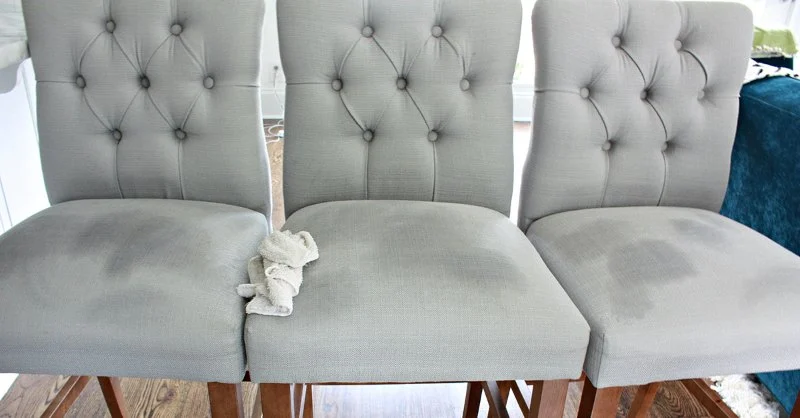
1. Understanding Water Damage to Upholstered Furniture
Water damage can have a significant impact on upholstered furniture, whether it’s a spilled drink, a flooded basement, or a leaky roof. When upholstery absorbs water, it can lead to stains, mold growth, fabric degradation, and unpleasant odors. The type of fabric and the extent of the water damage will determine how effectively you can clean and dry your furniture.
Understanding how water affects your upholstery is key to restoring it. Water damage can weaken fibers, cause discoloration, and even lead to permanent damage if not addressed quickly. Fortunately, with the right cleaning and drying techniques, you can often salvage your furniture and prevent long-term issues.

Wizard Restorations Inc / puroclean of san fernando
Rancho CucamongaSan Bernardino CountyCalifornia
10245 8th St, Rancho Cucamonga, CA 91730, USA
2. First Steps in Cleaning Water-Damaged Upholstery
The first step in dealing with water-damaged furniture is to act quickly. The longer water sits on the upholstery, the more damage it can cause. Here's what to do:
- Remove Excess Water: If the upholstery is still wet, use a clean towel or cloth to blot and absorb as much water as possible. Avoid rubbing the fabric, as this can push water further into the fibers.
- Check for Mold: Inspect the fabric for signs of mold or mildew. If you spot any, it’s important to treat the fabric as soon as possible to prevent further growth.
- Use Mild Detergent: For light stains or dirt, you can use a gentle upholstery cleaner or a mixture of water and mild detergent. Test a small, hidden area of the fabric first to ensure that the solution won’t cause damage or discoloration.
- Vacuum the Upholstery: After blotting and cleaning, use a vacuum with an upholstery attachment to remove any remaining debris or water from the fabric.
3. Drying Techniques for Upholstered Furniture
Proper drying is crucial in preventing further damage to the upholstery. Here are some effective drying techniques:
- Air Drying: The most natural method is to allow your furniture to air dry in a well-ventilated space. Open windows or place the furniture near an open door to encourage airflow. Use fans to speed up the drying process. However, this method can take time, so it’s best for smaller, less severely damaged pieces.
- Use a Hair Dryer or Fan: For quicker results, use a hair dryer on a low or cool setting to gently dry the upholstery. You can also use a standing fan or oscillating fan to blow air across the fabric. Be sure to keep the heat low to avoid damaging the fibers.
- Dehumidifiers: If you have access to a dehumidifier, place it near the furniture to remove moisture from the air and help the drying process. This is especially useful for large furniture or when the weather is humid.
- Professional Upholstery Cleaning Equipment: If you’re dealing with significant water damage, using professional cleaning equipment such as wet vacuums and specialized dryers can expedite the drying process and remove excess moisture that might not be easily accessible by hand.
4. Tips to Prevent Water Damage in the Future
Once your furniture is clean and dry, it’s important to take steps to prevent future water damage. Here are a few tips to help protect your upholstered furniture:
- Protective Covers: Consider investing in protective covers for your furniture, especially if you live in an area prone to flooding or water leaks. Waterproof or water-resistant covers can offer an extra layer of protection against spills and accidents.
- Fix Leaks Immediately: Regularly inspect your home for leaks in plumbing, roofs, and windows. Taking care of these issues promptly can prevent water from seeping into your furniture.
- Quick Cleanup: If a spill occurs, clean it up immediately to prevent water from soaking into the fabric. The quicker you act, the less likely you are to deal with long-term damage.
- Use Absorbent Mats: Place absorbent mats or trays underneath furniture that might be exposed to moisture, such as near windows or doors that are prone to leaking.
5. When to Seek Professional Help
In some cases, cleaning and drying water-damaged upholstery may require professional assistance. If the damage is severe, if mold has started to form, or if the fabric has become heavily stained, it’s best to contact an upholstery cleaning professional. These experts have access to specialized tools and cleaning solutions that can effectively remove moisture, mold, and stains.
Additionally, if you're unable to completely dry the furniture or notice lingering odors, a professional cleaning service can ensure that your furniture is fully restored and sanitized. Don't hesitate to reach out for help when necessary to preserve the integrity of your furniture.
For more helpful tips on furniture restoration and to find the best products for cleaning and protecting your upholstered items, visit Reliable Damage Hub for expert recommendations and trusted services.

 Mold Master Pro LLC5.0 (5 reviews)
 Stanley Restoration Services5.0 (7 reviews)
 Kingwood5.0 (5 reviews)
 SERVPRO of Los Gatos / Monte Sereno5.0 (25 reviews)
 Texan Water Damage Restoration Houston TX Company5.0 (7 reviews)
 Royal Water5.0 (98 reviews)
 How to Safely Remove Standing Water From Your Home
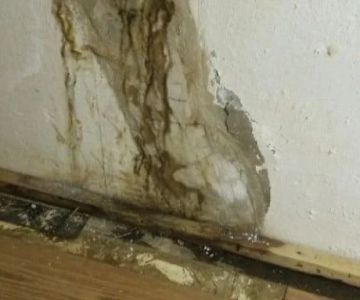
 How to Repair Water-Damaged Basement Walls Effectively
 What Are the Key Signs of Water Damage in Your Home?
 How to Restore Water-Damaged Kitchen Cabinets - Step-by-Step Guide
 Water Damage and Plumbing: How to Fix Leaky Pipes and Prevent Future Issues
 How to Handle Water Damage From Roof Flashing Failures