
When Professional Drying Equipment Is Needed
On this page
Quick answer
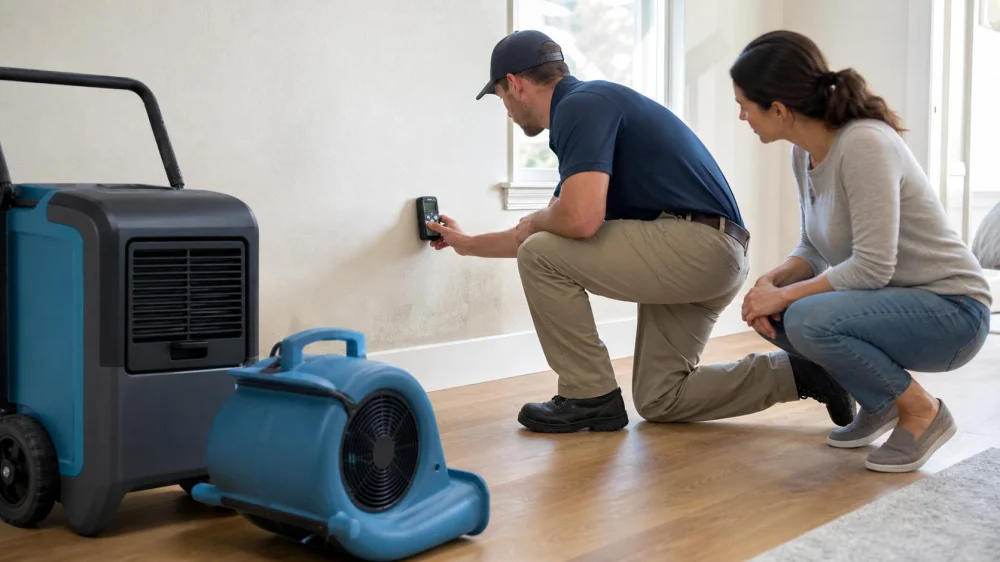
Professional drying equipment may be needed when water reaches drywall, insulation, subflooring, carpet padding, cabinets, ceilings, or multiple rooms; when moisture remains after surface cleanup; or when the water source is contaminated. Restoration teams use moisture meters, air movers, and dehumidifiers to dry hidden materials safely and document progress.
SERVPRO of Pompano Beach / servpro fort lauderdale south
Pompano BeachBroward CountyFlorida
2101 NW 33rd St #200a, Pompano Beach, FL 33069, USA
What drying equipment does
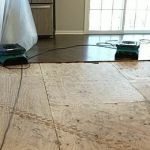
Professional drying equipment includes tools such as commercial dehumidifiers, air movers, moisture meters, air scrubbers, and monitoring devices used to dry and track water-damaged materials.
Household fans can move air, but they may not remove enough moisture from walls, floors, cavities, or indoor air after serious water damage.

Wizard Restorations Inc / puroclean of san fernando
Rancho CucamongaSan Bernardino CountyCalifornia
10245 8th St, Rancho Cucamonga, CA 91730, USA
When basic cleanup is not enough
Consider professional drying when water touched porous or layered materials. Examples include carpet padding, drywall, insulation, engineered wood, cabinets, baseboards, ceiling cavities, and wall spaces.
Call sooner if the water came from sewage, flooding, storm intrusion, appliance overflow, or an unknown source. Contaminated water and hidden moisture should not be treated like a simple spill.
What professionals check
Restoration professionals may check moisture levels, airflow paths, humidity, affected materials, source control, containment needs, and whether materials can be dried or should be removed.
They may also document readings over time, which can help show whether the structure is actually drying instead of only looking dry on the surface.
Best for and not ideal for
Professional drying is best for hidden moisture, multi-room damage, wet building materials, recurring leaks, and situations involving contamination or insurance documentation. It is not ideal for replacing source repair; a plumber, roofer, appliance technician, or other specialist may still need to fix the cause.
Basic towels and a home fan may be enough only for small, clean-water spills on non-porous surfaces that dry quickly.
Decision checklist
- Water reached drywall, baseboards, cabinets, or flooring layers.
- Carpet or padding stayed wet.
- Ceiling stains, bubbling paint, or musty odours appeared.
- More than one room or level is affected.
- The source was sewage, floodwater, or unknown water.
- Moisture remains after visible cleanup.
- You need documentation for insurance or property management.
- You cannot tell where the water travelled.
Important notes
This article is general water damage restoration guidance for readers in the United States. It does not replace professional inspection, insurance instructions, landlord requirements, or emergency services.
Do not run electrical equipment in unsafe wet areas, disturb suspected mould, or enter contaminated water. Contact qualified professionals when safety is uncertain.
FAQ
Can I dry water damage with household fans?
Small clean-water spills on hard surfaces may dry with basic cleanup. Wet drywall, carpet padding, cabinets, and hidden cavities often need professional moisture checks and drying equipment.
How long does professional drying take?
Timing depends on materials, water amount, humidity, temperature, and how quickly the source is stopped. Professionals monitor moisture rather than relying only on the calendar.
Does dry-looking flooring mean the problem is solved?
Not always. Moisture can remain under flooring or behind baseboards. A moisture meter can reveal problems that are not visible.
Should I call restoration before insurance?
If damage is active, safety and mitigation may need to happen quickly. You can also contact your insurer for reporting instructions and documentation requirements.
Evidence notes
This guide is based on common restoration principles: source control, material moisture measurement, humidity management, airflow, contamination categories, and documentation of drying progress.
Next steps
If water touched hidden or porous materials, document the damage, stop the source if safe, and contact a restoration professional. The goal is not just a dry surface; it is a dry structure.
 ServiceMaster Disaster Associates - Stoneham5.0 (12 reviews)
 Northbay Maintenance4.0 (21 reviews)
 Stanley Steemer4.0 (2126 reviews)
 MRW Seamless Gutters5.0 (18 reviews)
 Apex Contracting & Restoration4.0 (59 reviews)
 Hometown Restoration4.0 (73 reviews)
 How to Repair Water-Damaged Floors in Your Home
 What You Need to Know About Water Damage in Commercial Properties
 How to Protect Your Property from Water Damage During Heavy Snowfalls
 Water Damage Inspection Checklist for Homeowners – Prevent and Repair Water Damage Effectively
 How to Deal with Water Damage Caused by Heavy Rainfall
 How to Restore Water-Damaged Personal Items