
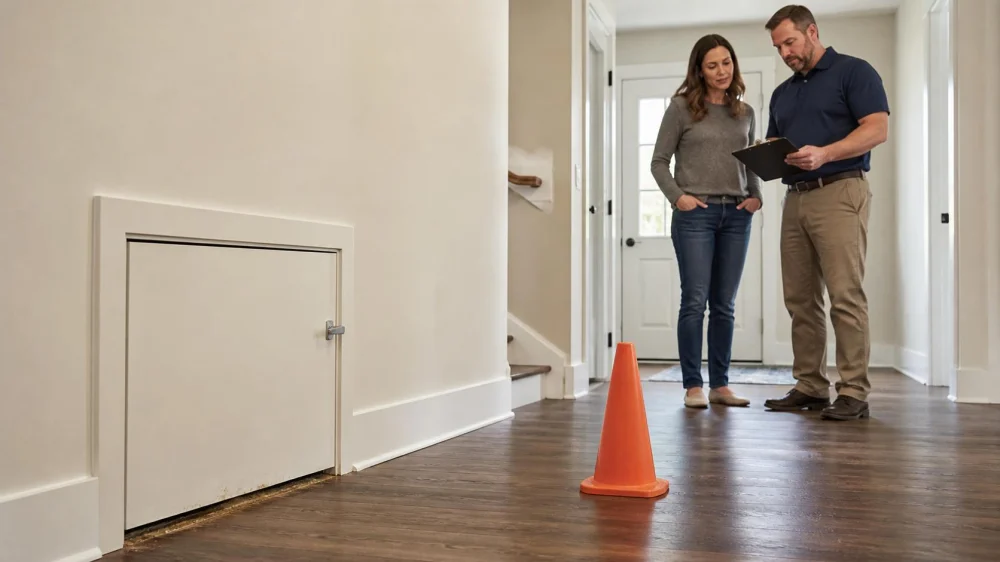
Water in a Crawl Space: Stay Out and Document Safely
On this page
Quick answer
Do not enter a wet crawl space. Water may involve electricity, sewage, chemicals, unstable soil, damaged supports, mould, pests, or low-clearance entrapment. Keep people and animals away, stop the source only from a known safe location, photograph visible conditions without opening unsafe access, and call qualified restoration and trade professionals to assess extraction, drying, contamination, and repairs.
Giants / dry kings restoration of san francisco
San FranciscoSan Francisco CountyCalifornia
685 Geary Blvd, San Francisco, CA 94102, USA
Why crawl-space water requires professional assessment
A crawl space can receive water from plumbing, groundwater, surface drainage, foundation openings, HVAC condensate, sewage, or firefighting. Low clearance restricts escape and hides wiring, ducts, insulation, supports, and contaminated materials. Removing visible water alone does not show whether wood, insulation, soil, masonry, or indoor air pathways are dry and safe.
This guide is for United States homeowners and property managers who notice or suspect water below a building. It is not an entry, pumping, electrical, structural, mould-remediation, or insurance manual. Building design, water category, utilities, weather, access, and local contractor rules change the response.
SERVPRO of Pompano Beach / servpro of santa maria
Pompano BeachBroward CountyFlorida
2101 NW 33rd St #200a, Pompano Beach, FL 33069, USA
Practical checklist
- Immediate hazards: electrical equipment, downed wiring, gas odour, sewage, chemicals, unstable floors, fire damage, or rapidly rising water.
- First observation time, recent rain or flooding, plumbing use, appliance events, utility work, and whether the water appears to be increasing.
- Safe exterior and indoor clues such as foundation vents, downspouts, standing yard water, damp odours, floor changes, or visible water at an access opening.
- Affected rooms, electrical circuits, HVAC equipment, ducts, insulation, stored items, and vulnerable occupants or pets, without entering to inspect.
- Location of known main water shutoff and emergency utility contacts, used only when the control is safely accessible and clearly identified.
- Restoration contractor qualifications, contamination protocol, moisture mapping, extraction, drying, monitoring, and documentation plan.
- Plumber, electrician, HVAC, structural, drainage, pest, environmental, or other trade coordination and insurer notification.
Step-by-step plan
- Block access and keep children, pets, and unprotected adults away. Do not crawl in, reach into water, or use ordinary extension cords, fans, or pumps.
- Call emergency services or the utility for immediate electrical, gas, fire, collapse, or rapidly rising flood hazards. Do not touch a wet service panel.
- Stop an active plumbing source only at a known valve in a dry, safe, accessible location. If uncertain, wait for the utility or qualified plumber.
- Record dates, weather, plumbing events, odours, sounds, and visible conditions from outside the opening or another safe area. Do not remove covers that may conceal hazards.
- Contact a qualified water-damage restoration company and describe access height, water source, utilities, building age, HVAC connections, and suspected contamination.
- Request a written plan for hazard control, water classification, extraction, material removal, drying targets, monitoring locations, trade coordination, and clearance.
- Keep daily readings, photographs, equipment logs, disposal records, invoices, and repair scopes. Address the source and drainage conditions before closing the assembly.
Build a timeline with weather, plumbing and appliance use, first odour or moisture clue, visible water depth only if safely estimated, affected rooms, utility actions, contractor arrival, source findings, contamination classification, moisture readings, equipment placement, removed materials, drying completion, and repairs.
Limits and important notes
Do not enter because water looks shallow or clear; contamination and electrical hazards may be invisible. Do not mix cleaners, spray biocides, disturb mould or animal waste, close vents, or seal materials before assessment. A dry surface or absent puddle does not prove concealed wood, insulation, soil, or masonry has reached an appropriate condition.
Call emergency services for collapse, fire, serious injury, or immediate electrical danger; contact the utility for gas odour or affected service equipment. Tell responders and contractors about sewage, fuel, chemicals, pests, sharp debris, immune-compromised occupants, or water entering living space. Leave the building if authorities or qualified professionals advise it.
Frequently asked questions
Can I enter if the water is only a few centimetres deep?
No. Depth does not reveal electricity, contamination, unstable surfaces, poor air, sharp objects, or restricted escape hazards.
Should I place a household fan at the opening?
Do not improvise electrical drying around unknown moisture or contamination. Let professionals select and position appropriate equipment.
Is groundwater considered clean?
Appearance does not establish contamination. Professionals assess source, path, time, materials, and site conditions.
Will pumping solve the problem?
Extraction is only one step. Source control, material assessment, drying, monitoring, contamination work, and repairs may be required.
What documentation should I keep?
Keep the event timeline, safe photos, source findings, moisture maps, equipment logs, material disposal, invoices, insurer messages, and completion records.
Sources and evidence
Use emergency and utility instructions, the restoration contractor's written hazard and drying plan, qualified trade reports, equipment manufacturer guidance, applicable occupational and environmental requirements, and insurer communications. Moisture readings need documented locations, materials, instruments, and targets to be meaningful.
Conclusion and next steps
Keep the crawl space closed and unoccupied, control only sources that are safely accessible, and document clues without entering. Engage qualified restoration and necessary trades to classify the water, isolate hazards, remove water, map moisture, dry affected materials, and confirm the source correction before repairs conceal the area.
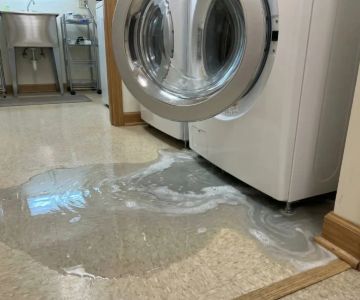
 SERVPRO of Washington, DC4.0 (85 reviews)
 Leland's Drywall & Painting4.0 (46 reviews)
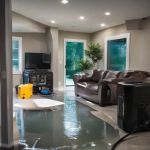 Rodriguez Water Damage Services4.0 (21 reviews)
 Bold Mold Eliminators LLC3.0 (2 reviews)
 Allegany Maryland Servpro1.0 (2 reviews)
 Four Corners Roofing & Restoration5.0 (32 reviews)
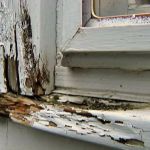 Water Damage Repair for Wooden Doors and Frames
 How to Handle Water Damage in Your Laundry Room: A Step-by-Step Guide
 How to Dry Your Home After a Major Water Leak: Essential Steps
 How to Repair Water-Damaged Doors and Frames
 How to Deal With Water Damage After Sewer Backups: A Complete Guide
 How to Repair Water-Damaged Ceilings: Step-by-Step Guide