

How to Dry Out Water-Damaged Rugs Quickly: Effective Methods and Tips
- 1- Understanding the Importance of Drying Water-Damaged Rugs
- 2- Immediate Steps to Take After Water Damage
- 3- Best Techniques for Drying Your Rug Fast
- 4- How to Prevent Mold and Odor After Water Damage
- 5- When to Seek Professional Help for Rug Drying
1- Understanding the Importance of Drying Water-Damaged Rugs
Water damage to rugs can be a major concern for homeowners, especially when flooding or leaks occur. If left untreated, it can lead to mold growth, unpleasant odors, and permanent damage to your rug. This is why it is essential to act quickly and efficiently to dry your rug and prevent further damage. In this article, we’ll walk you through the best methods and techniques to dry out your water-damaged rug swiftly and safely.

Kustom US Restoration / kustom restoration
1215 W Houston Ave Suite A, Gilbert, AZ 85233, USA
2- Immediate Steps to Take After Water Damage
When your rug gets wet, taking immediate action is key to saving it. Here's what you should do right away:
1. Remove the Rug from the Affected Area: If possible, move the rug out of the water to prevent it from absorbing even more moisture. Be cautious not to drag the rug too harshly, as this may cause additional damage.
2. Blot the Excess Water: Use clean towels or a wet/dry vacuum to blot the water off the rug’s surface. Avoid rubbing the rug, as this can push the water deeper into the fibers.
3. Hang the Rug to Air Dry: If the rug is small enough, you can hang it over a clothesline or on a fence. Make sure it's spread out evenly to promote airflow. The faster it dries, the better.
SERVPRO of Pompano Beach / servpro of santa maria
Pompano BeachBroward CountyFlorida
2101 NW 33rd St #200a, Pompano Beach, FL 33069, USA
3- Best Techniques for Drying Your Rug Fast
Once you’ve removed the excess water, the next step is to dry your rug as quickly as possible to prevent any long-term damage. Here are the best methods for drying your rug:
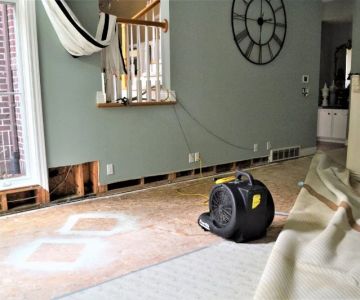
1. Use Fans and Dehumidifiers: Set up fans around the rug to circulate the air. A dehumidifier will help to pull moisture out of the air, speeding up the drying process. Position the fan so that the air blows across the rug, not directly on it.
2. Use a Hair Dryer or Space Heater: For smaller, more delicate rugs, using a hair dryer or space heater on a low setting can help dry it out faster. Hold the dryer about 6 inches from the surface of the rug, and move it around to avoid overheating any one area.
3. Try the Freezer Method for Thick Rugs: For very thick or shaggy rugs that are harder to dry, try folding it up and placing it in the freezer (if it's small enough). The cold will help to stop mold growth while you wait for it to thaw and dry properly.
4- How to Prevent Mold and Odor After Water Damage
After drying your rug, it’s important to take measures to prevent mold growth and lingering odors, which can occur if moisture remains trapped in the fibers.
1. Sprinkle Baking Soda: Baking soda is an excellent natural deodorizer. Sprinkle it generously over the rug once it’s dry, let it sit for 15-20 minutes, and then vacuum it up.
2. Use White Vinegar: White vinegar is another natural deodorizer. Mix one part white vinegar with one part water and lightly mist it over the rug to help eliminate any lingering smells.
3. Steam Clean: If your rug is still smelling musty or damp after drying, a steam cleaning might be necessary. The heat from steam will kill any remaining mold spores and sanitize the fibers.
5- When to Seek Professional Help for Rug Drying
If you’ve tried drying your rug but it remains damp, discolored, or starts to develop a musty smell, it may be time to seek professional cleaning services. Here’s when you should consider reaching out for expert help:
1. Extensive Water Damage: If the rug has been heavily saturated, especially from floodwaters, professional cleaning is recommended to ensure that it is thoroughly dried, sanitized, and restored to its original condition.
2. Persistent Odors or Mold: If the smell of mildew or mold persists despite your best efforts, professionals have the right tools to eliminate it effectively.
3. Delicate Rugs: Valuable or delicate rugs, like Persian or oriental rugs, may require special care and handling that only an experienced professional can provide.
For more information on rug cleaning and drying services, check out Reliable Damage Hub for expert advice and services.
 Good Roads Water Damage Experts5.0 (1 reviews)
 R&R Foundation Specialist4.0 (305 reviews)
 MJ White4.0 (102 reviews)
 ATI Restoration3.0 (25 reviews)
 Modernistic4.0 (251 reviews)
 ServiceMaster Cleaning Services4.0 (27 reviews)
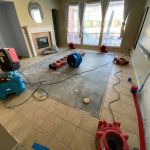 Water Damage Restoration for Retail Spaces – Expert Tips and Real Cases
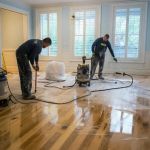 How to Prevent and Repair Water Damage in Commercial Properties
 How to Protect Your Home’s Electrical System from Water Damage: Essential Tips
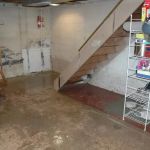 Flooded Basement? Here’s How to Restore It Safely
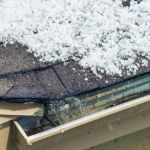 How to Handle Water Damage After a Storm: A Step-by-Step Guide
 How to Handle Water Damage from Burst Pipes: A Step-by-Step Guide