
- 1 - Introduction to Water Damage Restoration for Older Homes
- 2 - Common Water Damage Issues in Older Homes
- 3 - Essential Water Damage Restoration Tips
- 4 - Preventing Future Water Damage
1 - Introduction to Water Damage Restoration for Older Homes
Owning an older home has its charm, but it also comes with a set of unique challenges, especially when it comes to water damage. Older homes often have plumbing systems and foundations that may not be as durable as modern counterparts, making them more prone to leaks and water infiltration. Whether it’s a burst pipe, a roof leak, or foundation issues, water damage can wreak havoc on your property. Understanding how to restore your home effectively is crucial to preserving its integrity and ensuring your family’s safety.

Kustom US Restoration / kustom restoration
1215 W Houston Ave Suite A, Gilbert, AZ 85233, USA
2 - Common Water Damage Issues in Older Homes
Older homes are particularly vulnerable to specific types of water damage. Below are some common issues that homeowners of vintage properties may face:

Drip Restoration / valleywide restoration mesa az
932 S Stapley Dr, Mesa, AZ 85204, USA
1. Leaking Pipes
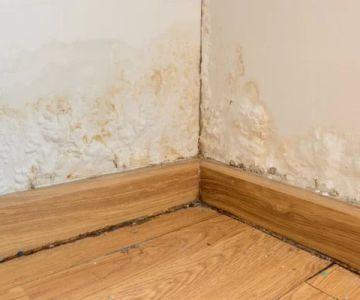
In older homes, plumbing systems are often made from materials that degrade over time. Cast iron pipes, for example, can rust, causing leaks that go unnoticed until they cause significant damage. Homeowners may notice damp spots or a musty smell that signals hidden leaks behind walls or under floors.
2. Roof Leaks
Older roofs, especially those that haven't been replaced in decades, can develop leaks due to worn-out shingles, cracked flashing, or even damaged gutters. These leaks can spread into the attic and eventually affect the ceilings, walls, and floors of the house.
3. Foundation Issues
As homes age, their foundations can shift or crack, allowing water to seep in. This is particularly common in areas with heavy rainfall or poor drainage systems. Water pooling around the foundation can lead to serious structural damage if left unchecked.
4. Basement Flooding
Basements are naturally more susceptible to water damage due to their location below ground level. Aging homes often have inadequate waterproofing, which can lead to water intrusion during heavy rainfall, causing flooding and moisture buildup.
3 - Essential Water Damage Restoration Tips
Restoring water damage in older homes requires careful planning and attention to detail. Here are some essential tips to guide you through the process:
1. Act Quickly
The sooner you identify and address water damage, the less severe the impact will be. Water can spread quickly, causing extensive damage to walls, floors, and furniture. If you spot any signs of water leakage, act immediately to minimize the damage.
2. Assess the Damage Thoroughly
Before beginning any restoration efforts, it’s essential to assess the full extent of the damage. Check for mold growth, damp insulation, and weakened structures. Look for hidden leaks behind walls, under floors, or in the attic where water may have infiltrated. An experienced professional can help identify issues you may have missed.
3. Dry Out the Area
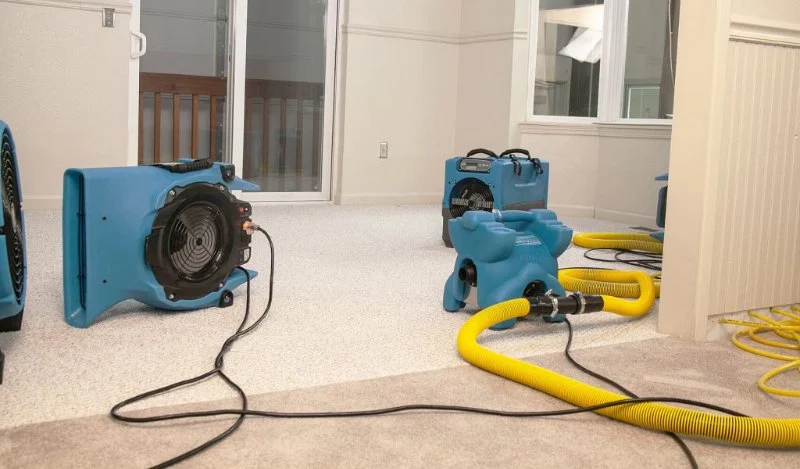
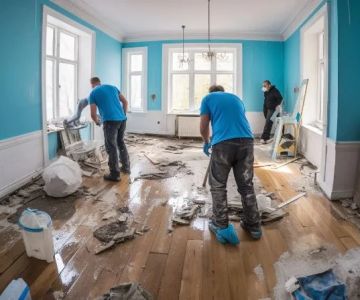
Once the water source is fixed, it's time to start drying out the area. Use fans, dehumidifiers, and open windows to allow air circulation. For more extensive damage, you may need industrial-grade drying equipment. It’s critical to remove moisture promptly to prevent mold and mildew growth.
4. Repair Structural Damage
Once the area is dry, you’ll need to repair any structural damage caused by the water. This might involve replacing damaged drywall, floorboards, or beams. If the foundation has cracks, it’s essential to address these with professional help to prevent future issues.
5. Prevent Mold Growth
Moisture control is key to preventing mold and mildew from taking hold. In addition to drying out the area, you may want to apply mold-resistant paint or sealants to vulnerable areas like basements and attics.
4 - Preventing Future Water Damage
While restoring water damage is crucial, prevention is just as important to avoid future issues. Here are some steps you can take to safeguard your older home:
1. Regularly Inspect Your Roof and Gutters
Routine roof inspections can help catch issues like damaged shingles or clogged gutters before they lead to significant leaks. Clean your gutters regularly and check for any signs of wear or damage to your roof.
2. Maintain Your Plumbing
Keep your plumbing system in good condition by having it inspected periodically. Pay special attention to the age of your pipes and any signs of corrosion. If your home has old piping, consider replacing it with more durable materials like copper or PEX.
3. Improve Drainage Around the Foundation
Ensure your property has proper drainage to prevent water from pooling around the foundation. Install or repair gutters, downspouts, and French drains to direct water away from the house. This is especially important during heavy rainfall or snowmelt.
4. Invest in Basement Waterproofing
If you have a basement, consider investing in waterproofing solutions such as sump pumps, vapor barriers, or basement sealants to protect against flooding and moisture infiltration.
5. Consider Professional Help
If you’re unsure about how to handle water damage or want to ensure long-term protection, it’s a good idea to consult with professionals. Companies that specialize in water damage restoration, like Reliable Damage Hub, can provide expert guidance and services tailored to your home’s needs.
 Good Roads Water Damage Experts5.0 (1 reviews)
 R&R Foundation Specialist4.0 (305 reviews)
 MJ White4.0 (102 reviews)
 ATI Restoration3.0 (25 reviews)
 Modernistic4.0 (251 reviews)
 ServiceMaster Cleaning Services4.0 (27 reviews)
 Water Damage Restoration for Retail Spaces – Expert Tips and Real Cases
 How to Prevent and Repair Water Damage in Commercial Properties
 How to Protect Your Home’s Electrical System from Water Damage: Essential Tips
 Flooded Basement? Here’s How to Restore It Safely
 How to Handle Water Damage After a Storm: A Step-by-Step Guide
 How to Handle Water Damage from Burst Pipes: A Step-by-Step Guide