
Water Damage Documentation: Build a Room-by-Room Claim File
Table of contents
Quick answer
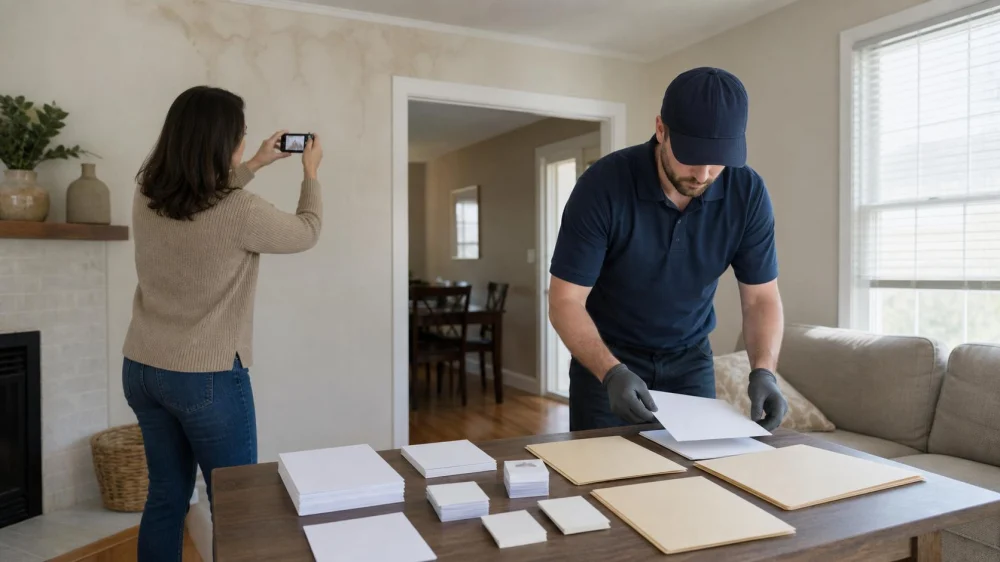
After making the property safe and stopping the source, contact the insurer and photograph every affected room before cleanup or disposal. Take wide, medium, and close views; record water lines, materials, contents, model and serial numbers, and the source area. Keep a dated action log, estimates, receipts, moisture records, and samples only when safe and permitted.
Kustom US Restoration / kustom restoration
1215 W Houston Ave Suite A, Gilbert, AZ 85233, USA
Safety before photos
Documentation never justifies entering standing water, a sagging room, a contaminated area, or a space with electrical, gas, fire, or structural hazards. Use emergency services and qualified professionals first. Photograph from the doorway or another safe point when entry is uncertain.
Call the insurer early. Ask what immediate mitigation is required, what items may be discarded for health reasons, and how the carrier wants images and inventories submitted. Prevent additional damage when safe without waiting for an adjuster.
Giants / dry kings restoration of san francisco
San FranciscoSan Francisco CountyCalifornia
685 Geary Blvd, San Francisco, CA 94102, USA
Capture each room
- Start outside. Photograph the building, roofline, ground conditions, and visible source context.
- Use a room sequence. Begin at the entry and move consistently clockwise so images can be reconstructed.
- Take three distances. Wide shots establish the room, medium views show affected assemblies, and close-ups capture stains, swelling, cracks, or water lines.
- Include hidden-facing areas safely. Open closets and cabinets only when stable and uncontaminated.
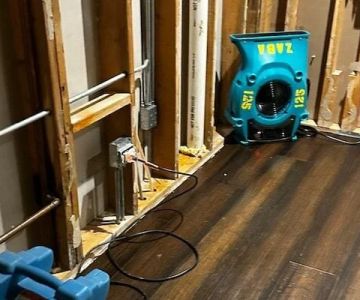
- Record systems. Photograph affected electrical, plumbing, HVAC, appliances, and shutoff locations without touching hazards.
- Preserve original files. Keep timestamps and back up images before editing or annotating copies.
Inventory damaged items
Create one line per item with room, description, brand, model, serial number, approximate age, purchase evidence, visible condition, and disposition. Photograph labels and receipts when available. FEMA guidance recommends documenting appliance serial numbers and retaining examples of damaged finish materials when safe and useful.
Separate wet items from dry items without spreading contamination. Photograph health-risk items before prompt disposal when public-health or insurer guidance allows. Never retain sewage-contaminated samples in living space.
Track mitigation and communication
- date and time the loss was discovered and source stopped;
- names, call reference numbers, and instructions from insurer and utility;
- contractor arrival, equipment placement, and daily moisture readings;
- areas removed, reason for removal, and before-and-after photos;
- temporary housing, storage, emergency purchase, and repair receipts;
- estimates, scopes, authorisations, change orders, invoices, and warranties.
Keep your own copies rather than relying solely on a contractor portal. Ask how records distinguish emergency mitigation from reconstruction.
Limitations
Documentation does not guarantee coverage or a particular valuation. Policy language, cause of loss, exclusions, deductibles, proof requirements, and deadlines differ. Do not delay urgent drying, contamination control, or safety work solely to create a perfect photo set.
FAQ
Should I throw damaged items away?
Ask the insurer, but do not keep items that create a health hazard. Photograph them first when safe and follow public-health instructions.
Is video enough?
Video provides context, while still images make details easier to review. Use both and keep originals.
May I start cleanup before the adjuster arrives?
Policies generally expect reasonable mitigation, but confirm instructions, document first when safe, and preserve invoices and evidence.
What if I have no receipts?
Record as much identifying information as possible and ask the insurer what alternative proof it accepts.
Sources and evidence notes
- EPA: Flooded Home — insurer contact, photos before cleanup, contamination, and drying.
- FEMA: How to Document Damages After Severe Weather Events — room photos, serial numbers, receipts, samples, and contractor caution.
Next steps
Confirm the area is safe, call the insurer, and create folders by room. Capture original wide-to-close photos, build the item inventory, and log every instruction, expense, moisture reading, removal, and repair decision from the first day through closeout.
 Bactronix Corp.5.0 (1720 reviews)
 Certified Professional Restoration4.0 (100 reviews)
 Chem-Dry of Oklahoma4.0 (356 reviews)
 American Water Damage of Denver4.0 (209 reviews)
 North Texas Restoration5.0 (24 reviews)
 GT Home Services5.0 (5 reviews)
 What to Do if Your Home’s Water Damage Is Covered by Insurance
 The Role of a Water Damage Restoration Professional in Your Home Repairs
 How to Identify Water Damage in Your Ceiling and Fix It
 Water Damage Restoration Cost: What to Expect and How to Save Money
 How to Handle Water Damage After a Storm: A Step-by-Step Guide
 Water Damage Repair for Basement Ceilings: Causes, Solutions, and Prevention