
Toilet Supply Line Leak: Stop Water and Document Damage
On this page
Quick answer
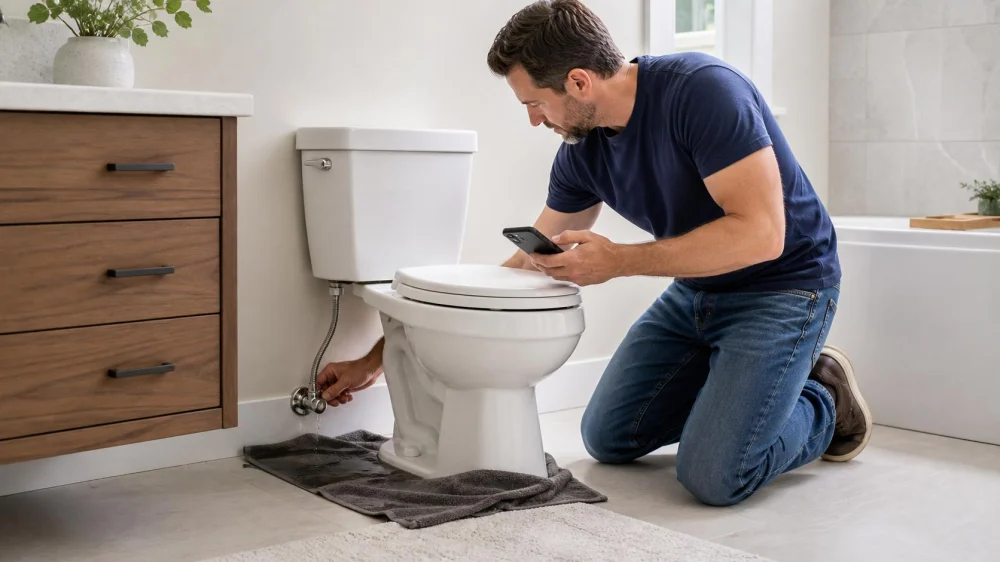
For a leaking toilet supply line, avoid standing water, close the toilet’s accessible shutoff valve only if it is safe and turns normally, and stop using the toilet. If the valve fails or water continues, use the known main shutoff or call emergency plumbing help. Keep water away from electricity, photograph the source and affected areas, remove movable items, and arrange plumbing and drying assessment.
Do not force a corroded valve, tighten fittings under pressure, or assume a dry floor surface means the wall and subfloor are dry.

Kustom US Restoration / kustom restoration
1215 W Houston Ave Suite A, Gilbert, AZ 85233, USA
Stop the water safely
- Keep children and pets out of the bathroom and rooms below.
- Approach only if the floor is stable and no electrical hazard is present.
- Locate the small shutoff valve behind or beside the toilet.
- Turn it gently in the closing direction; stop if it resists, leaks, or begins to break.
- Do not flush after closing the valve.
- If flow continues, close the pre-identified main water shutoff when safe.
- Call a plumber when the valve, connector, or fixture cannot be isolated safely.
Never rely on bending or clamping a pressurized connector as an emergency repair.

Wizard Restorations Inc / puroclean of san fernando
Rancho CucamongaSan Bernardino CountyCalifornia
10245 8th St, Rancho Cucamonga, CA 91730, USA
Check electrical hazards
Water can reach outlets, baseboard heaters, extension cords, lighting, or wiring in the room below. Do not enter standing water to unplug devices or reach a panel. If water is near electrical equipment, leave the area and contact emergency or electrical help.
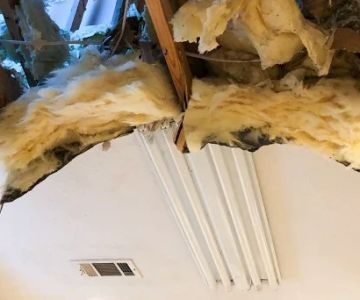
Do not touch a wet ceiling, sagging drywall, or a ceiling fixture below the leak. Keep the area beneath it clear because soaked materials can fall.
Limit the spread
After water is stopped and the area is electrically safe, place absorbent towels or a wet-rated extraction device only as appropriate. Move rugs, toiletries, cardboard, and portable furniture to a dry location. Use clean containers under residual drips without creating trip hazards.
Do not direct water into wall openings or seal wet flooring under plastic. Avoid household fans when contamination, damaged wiring, or hidden mold is suspected. A toilet supply leak may begin as clean supply water, but contact with the fixture, floor, or other contaminants changes the cleanup situation.
Document the damage
- Source connection, valve, hose, tank, and visible spray path
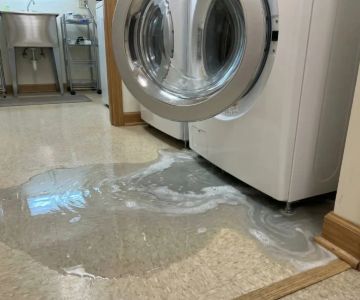
- Water boundaries on flooring and baseboards
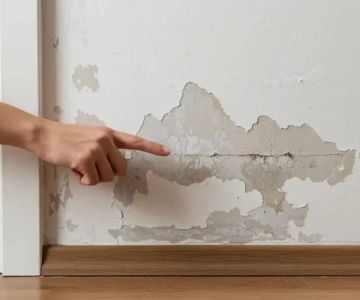
- Ceiling or wall changes in rooms below or beside the bathroom
- Time discovered and estimated duration if known
- Shutoff time and actions taken
- Damaged belongings before moving them
- Plumber, restoration, and insurer communications
Photograph widely and closely. Do not discard the failed connector until the plumber and insurer say it is no longer needed.
Drying and hidden moisture
Water can travel beneath sheet flooring, tile assemblies, baseboards, cabinets, and subflooring or into wall cavities. Surface towels cannot confirm drying. A restoration professional may use moisture measurements and controlled drying equipment to define affected materials.
Prompt assessment matters for wood swelling, finish damage, microbial growth, and ceiling deterioration. Ask for an initial moisture map and later completion measurements.
Repair and replacement
A plumber should identify whether the connector, valve, tank fitting, gasket, or another component failed and choose compatible rated parts. Replacement should not twist, stretch, kink, or rub the line. Ask whether other similar connectors in the home should be inspected.
Restore wall, flooring, or ceiling finishes only after the water source is corrected and affected assemblies meet the drying criteria documented for the project.
Frequently asked questions
Should I tighten the supply-line nut?
Not during an active leak unless a qualified plumber directs it. Overtightening can damage fittings.
What if the shutoff valve will not turn?
Do not force it. Use the known main shutoff if safe or call emergency plumbing service.
Is supply-line water clean?
It starts as supply water, but contact with bathroom surfaces and time can introduce contamination.
Can I dry the room with a household fan?
Only after electrical and contamination risks are addressed. Hidden assemblies may need professional drying.
Do I need to tell my insurer?
Review the policy and reporting requirements promptly and preserve records.
Sources and evidence notes
This guide follows emergency leak control, electrical separation, damage documentation, moisture assessment, and source-repair principles. Contamination category, drying scope, coverage, and repair requirements depend on actual conditions and jurisdiction.
Use licensed plumbing, electrical, restoration, and insurance professionals for property-specific decisions.
Conclusion and next steps
Stop flow without forcing a failing valve, isolate the bathroom, and stay clear of water near electricity or damaged ceilings. Photograph the source and spread, call a plumber, and have hidden moisture assessed. Keep failed parts and drying records so the repair, restoration, and insurance file tell the same story.
 Radar Restoration LLC4.0 (34 reviews)
 SERVPRO of Middletown4.0 (33 reviews)
 Ridgeline Integrated Solutions5.0 (12 reviews)
 Renew Restoration and Cleaning Service4.0 (27 reviews)
 Restoration Roofing Specialists5.0 (25 reviews)
 Sunbelt Contractors4.0 (7 reviews)
 Water Damage Restoration for Hotels and Hospitality Spaces
 Water Damage Repair for Bathroom Flooring and Tile in the USA
 How to Clean Water-Damaged Carpeting and Area Rugs
 How to Manage Water Damage from Mold Growth
 How to Dry Out Water-Damaged Rugs Quickly
 How to Repair Water Damage Around Interior Installations