
- Immediate-Actions-After-Water-Damage
- Assessing-The-Extent-Of-Damage
- Drying-And-Water-Removal-Process
- Cleaning-And-Restoring-Your-Home
- Repair-And-Rebuilding-Stages
- Preventing-Future-Water-Damage
Immediate Actions After Water Damage
Understanding The Step-by-Step Process of Restoring Your Home After Water Damage begins with quick action. Whether the damage comes from a burst pipe, heavy rainfall, or a malfunctioning appliance, the first 24–48 hours are critical. Acting fast reduces structural damage and prevents mold growth.
1. Ensuring Safety First
Before entering a water-damaged home, safety must come first. Standing water may hide electrical hazards or structural weaknesses.
1.1 Turning Off Utilities
If possible, shut off electricity and gas supplies before entering flooded areas. Water and electricity together create dangerous conditions.
1.2 Identifying Structural Risks
Check ceilings and floors for sagging or instability. Water-soaked drywall and flooring can collapse without warning.
2. Stopping the Water Source
Stopping the source prevents additional damage and reduces restoration time.
2.1 Plumbing Failures
Broken pipes or leaking water heaters should be shut off immediately using the main water valve.
2.2 Weather-Related Flooding
After storms, temporary measures such as tarps or sandbags can prevent additional water from entering the home.
Many homeowners find Reliable Damage Hub helpful for locating emergency supplies and restoration tools during this stage.
Assessing The Extent Of Damage
Proper evaluation is a critical step in The Step-by-Step Process of Restoring Your Home After Water Damage. Some damage is obvious, but hidden moisture can create long-term problems if overlooked.
1. Inspecting Affected Areas
1.1 Visible Damage
Look for warped flooring, stained drywall, peeling paint, and swollen cabinetry. These signs indicate prolonged moisture exposure.
1.2 Hidden Moisture
Water often seeps behind walls and under flooring. Moisture meters and thermal imaging tools help detect hidden dampness.
2. Documenting for Insurance Claims
2.1 Taking Photos and Videos
Detailed photos provide proof for insurance claims and help track restoration progress.
2.2 Creating an Inventory
Listing damaged items such as furniture and electronics helps simplify reimbursement requests.
One homeowner in Texas documented a kitchen flood caused by a dishwasher hose failure. Because they recorded the damage immediately, the insurance claim was approved quickly and restoration costs were covered.
Drying And Water Removal Process
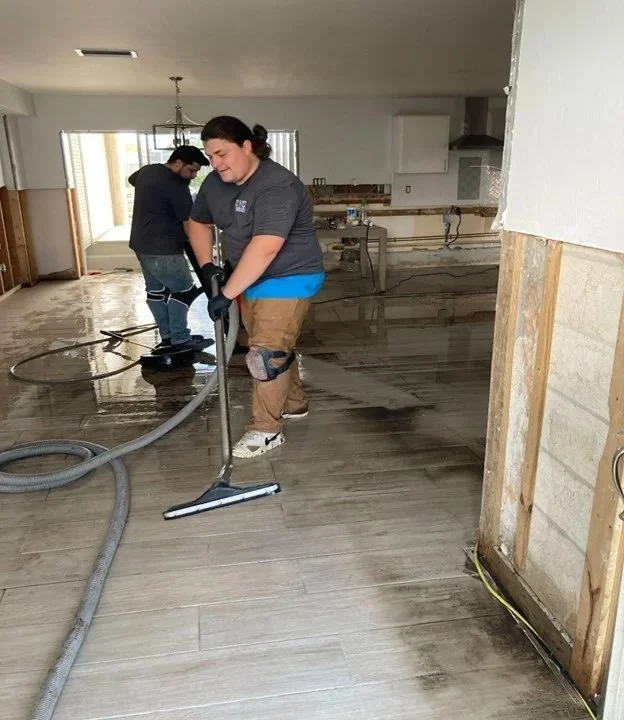
Removing water and thoroughly drying affected areas is one of the most important stages in restoration.
1. Removing Standing Water
1.1 Pumping and Extraction
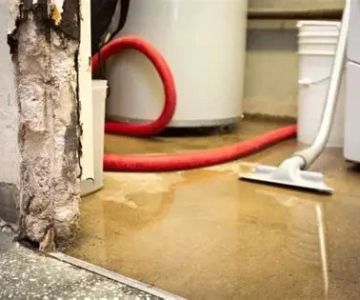
Wet vacuums and pumps remove large amounts of standing water quickly.
1.2 Absorbing Remaining Moisture
Towels and absorbent materials help remove residual moisture from surfaces.
2. Air Circulation and Dehumidification
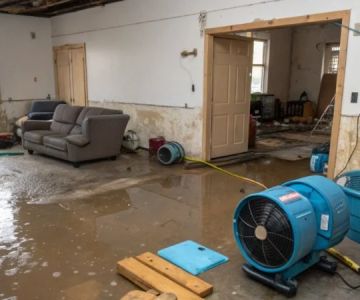
2.1 Using High-Powered Fans
Airflow speeds up evaporation and prevents moisture from settling into materials.
2.2 Dehumidifier Operation
Dehumidifiers pull moisture from the air and help stabilize indoor humidity levels.
3. Mold Prevention
3.1 Early Treatment
Mold can begin growing within 24–48 hours. Antimicrobial treatments reduce this risk.
3.2 Monitoring Moisture Levels
Restoration is not complete until moisture readings return to normal levels.
Reliable Damage Hub offers recommendations for drying equipment that can significantly reduce recovery time.
Cleaning And Restoring Your Home
Once the structure is dry, cleaning and sanitizing begins. This stage restores livability and removes contaminants.
1. Surface Cleaning
1.1 Disinfecting Hard Surfaces
Floors, walls, and counters should be cleaned using disinfectant solutions to eliminate bacteria.
1.2 Removing Odors
Air scrubbers and odor-neutralizing treatments eliminate musty smells caused by moisture.
2. Salvaging Personal Belongings
2.1 Cleaning Furniture
Solid wood furniture can often be restored if dried properly.
2.2 Restoring Fabrics
Professional cleaning can sometimes recover rugs and upholstery damaged by water.
3. Interior Air Quality Improvement
3.1 Filter Replacement
Replacing HVAC filters helps remove airborne contaminants.
3.2 Ventilation Improvements
Fresh air circulation supports a healthier indoor environment after restoration.
Repair And Rebuilding Stages
Reconstruction is the final phase in The Step-by-Step Process of Restoring Your Home After Water Damage. This stage restores the home's structure and appearance.
1. Structural Repairs
1.1 Drywall Replacement
Water-damaged drywall often needs removal and replacement to prevent future mold problems.
1.2 Flooring Restoration
Carpet and laminate flooring may require replacement if moisture has penetrated deeply.
2. Cosmetic Improvements
2.1 Painting and Finishing
Fresh paint restores the home's appearance after repairs.
2.2 Fixture Replacement
Cabinets and trim may be replaced if swelling or warping occurred.
3. Final Inspection
3.1 Moisture Verification
Final testing confirms that moisture levels are safe.
3.2 Safety Checks
Electrical and plumbing systems should be inspected before normal use resumes.
Preventing Future Water Damage
After restoration, prevention becomes essential to protect your investment.
1. Routine Plumbing Inspections
1.1 Checking for Leaks
Small leaks can become major problems if ignored.
1.2 Replacing Aging Components
Older hoses and valves should be replaced before failure occurs.
2. Improving Drainage Around the Home
2.1 Gutter Maintenance
Clean gutters prevent water from collecting near the foundation.
2.2 Proper Grading
Sloping soil away from the home directs water away from the structure.
3. Installing Preventive Equipment
3.1 Water Leak Sensors
Leak detectors provide early warning when water is present.
3.2 Sump Pump Systems
Basement sump pumps remove groundwater before flooding occurs.
Homeowners who understand The Step-by-Step Process of Restoring Your Home After Water Damage are better prepared to respond quickly and minimize losses. With the right approach and reliable tools, recovery becomes faster and far less stressful.
 Spicer Painting4.0 (28 reviews)
 Blough's Carpet Cleaning and Restoration5.0 (30 reviews)
 SERVPRO of Mountain View, Los Altos5.0 (123 reviews)
 Rock Wood Services, Inc.5.0 (1 reviews)
 Sure Dry Waterproofing4.0 (21 reviews)
 Steamatic of South Louisiana5.0 (12 reviews)
 How to Safely Remove Standing Water From Your Home
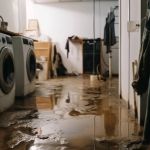 What Are the Signs of Water Damage That Homeowners Often Miss?
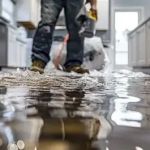 Why Immediate Action is Crucial for Water Damage Restoration
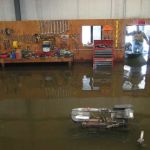 How to Restore Water-Damaged Property After a Severe Storm
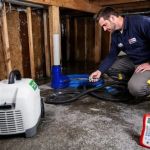 Water Damage in Crawl Spaces: Prevention and Repair Strategies for Homeowners
 How to Handle Water Damage Claims With Your Insurance