
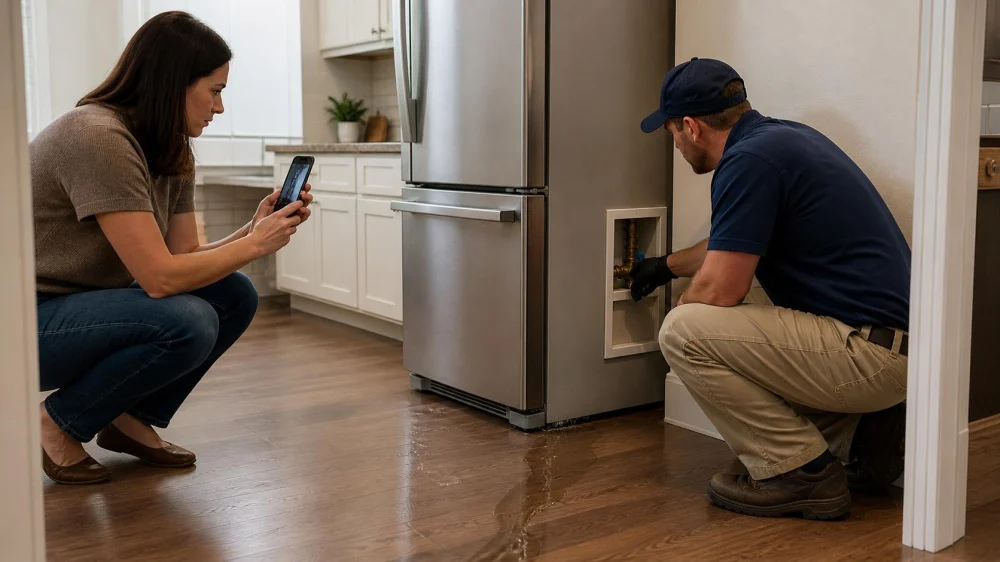
Leaking Refrigerator Supply Line: Stop Water and Check Hidden Damage
A small refrigerator supply-line leak can run behind cabinets or under flooring before anyone notices. Ice-maker lines, valves, connectors, filters, and appliance components can all be involved. The response should stop water and power safely, preserve evidence, and assess hidden moisture instead of simply tightening a fitting and wiping the visible puddle.
Recognize the Signs
Look for water at the refrigerator base, warped flooring, damp cabinet toe-kicks, a musty odour, reduced ice production, a hissing connection, or an unexpectedly high water bill. A puddle can also come from condensation, a drain, or food spill. Treat unexplained recurring moisture as a leak until the appliance and supply are properly assessed.

Kustom US Restoration / kustom restoration
1215 W Houston Ave Suite A, Gilbert, AZ 85233, USA
Make the Area Safe
Keep people and pets away from wet flooring and electrical cords. Avoid slips and do not touch a plug, outlet, or control while standing in water. If water is spreading toward electrical equipment or through a lower ceiling, increase the exclusion area. Call emergency help for sparking, smoke, fire, collapse risk, or another immediate danger.
SERVPRO of Pompano Beach / servpro of santa maria
Pompano BeachBroward CountyFlorida
2101 NW 33rd St #200a, Pompano Beach, FL 33069, USA
Stop the Water
If the dedicated refrigerator valve is accessible without moving the appliance or entering an electrical hazard, close it gently. If not, use the known main water shutoff. Do not force a corroded valve or improvise with pliers. Stop using the dispenser and ice maker. In a rental or multi-unit building, notify management promptly because the valve may serve another location.
Handle Appliance Power
Follow manufacturer and electrical-safety guidance. Disconnect power only when the plug and route are dry and safely accessible, or have a qualified person isolate the circuit. Do not pull a wet plug or repeatedly reset a tripped breaker. Keep refrigerator and freezer doors closed while power is off and follow current food-safety guidance for temperature and time.
Do Not Drag the Appliance
A full refrigerator is heavy, and dragging it can tear flooring, tip the appliance, damage the supply line further, or strain wiring. Water may make the floor slippery and weak. Let trained workers use appropriate protection and moving methods. Do not reach behind the unit with tools while it is connected to water or electricity.
Document the Leak
Photograph visible water, flooring, cabinets, valve position, supply-line route, appliance model information, and affected rooms before cleanup when safe. Record discovery time, last normal use, shutoff actions, sounds, filter changes, and calls. Keep damaged parts after replacement when insurers or contractors request them, and preserve receipts for emergency mitigation and spoiled food.
Trace the Water Path
Water can travel under floating floors, along wall plates, into cabinet bases, and through penetrations to rooms below. Surface towels do not reveal the extent. A qualified restoration professional may use non-destructive and targeted moisture measurements. Tell them about basement or crawlspace access, adjoining rooms, and any prior leaks so the assessment covers plausible pathways.
Arrange Proper Drying
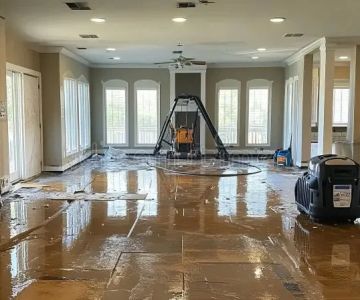
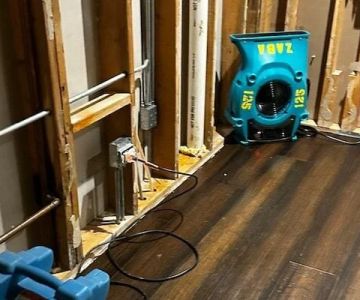
Remove standing water only where electrical and contamination risks are controlled. Professionals may lift toe-kicks, remove damaged materials, and place drying equipment according to measurements. Do not point household fans into unknown cavities or leave extension cords on wet floors. Track daily readings and drying goals rather than accepting “feels dry” as the only completion standard.
Repair the Cause
Have the responsible qualified technician identify whether the line, connector, valve, filter housing, or internal appliance part failed. Use compatible listed components and manufacturer procedures. Do not reuse a damaged compression fitting or patch a line with tape. Test the repair under controlled observation and inspect again after several ice-making and dispenser cycles.
Reduce Future Risk
Keep the shutoff accessible and label it. Inspect the visible line and floor periodically without pulling the refrigerator. Follow replacement guidance for filters and supply components. Consider appropriate leak detection or automatic shutoff options with qualified advice. Avoid crushing the line when returning the appliance, and record installation photos for future service.
After drying and repair, build a small verification schedule. Check the valve and floor after the first dispenser use, the first ice-making cycle, later that day, and again after several days. Look in the room below and along nearby cabinet bases. Record the water-meter reading when no fixtures are operating if the utility recommends that method, but do not treat one unchanged reading as proof that every cavity is dry. Continue monitoring any moisture sensor and replace its batteries on schedule.
A refrigerator leak is often larger than the puddle that reveals it. Stop water and electricity safely, avoid moving the heavy appliance, document conditions, measure hidden moisture, and repair with compatible parts. Verification after several operating cycles helps confirm that both the supply and surrounding materials remain dry.
 CT Handyman Services4.0 (32 reviews)
 Milro Services, Inc.5.0 (12 reviews)
 ServiceMaster Premier Restoration Services5.0 (1 reviews)
 AdvantaClean4.0 (49 reviews)
 R&M Solutions LLC0.0 (0 reviews)
 ServiceMaster of Greater Springfield4.0 (12 reviews)
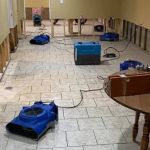 The Top Water Damage Prevention Tips for Homes in Coastal Areas
 How to Handle Water Damage From Roof Leaks – Expert Tips & Solutions
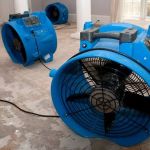 The Key Steps in Water Damage Restoration: What to Expect
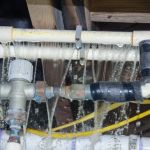 How to Prevent Water Damage from Faulty Plumbing Systems
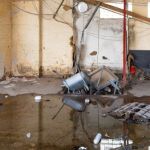 Water Damage Restoration for Industrial Spaces: Comprehensive Guide
 How to Protect Your Property From Water Damage While on Vacation