
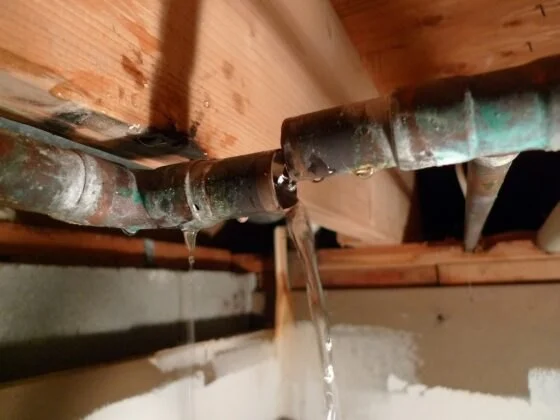
1. Understanding Water Damage from Burst Pipes
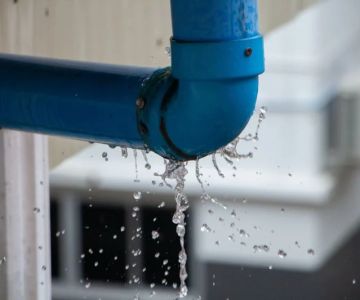
Water damage from burst pipes can be one of the most stressful issues homeowners face. Whether it’s caused by freezing temperatures, aging pipes, or sudden pressure changes, a burst pipe can result in extensive water damage to walls, floors, and furniture. The damage may occur quickly, but it’s essential to act fast to prevent further destruction and mold growth. This guide will walk you through the process of restoring your home after water damage from burst pipes, from the immediate steps to take to long-term solutions for preventing future issues.
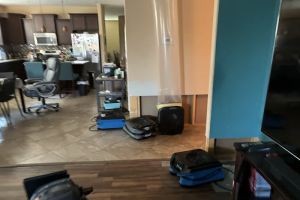
Drip Restoration / valleywide restoration mesa az
932 S Stapley Dr, Mesa, AZ 85204, USA
2. Immediate Actions to Take After a Burst Pipe
The first 24-48 hours after a burst pipe are critical for preventing long-term damage. Here’s what you should do immediately:

Kustom US Restoration / kustom restoration
1215 W Houston Ave Suite A, Gilbert, AZ 85233, USA
2.1 Turn Off the Water Supply
As soon as you notice that a pipe has burst, turn off the water supply to your home. This can be done by locating your home’s main water shut-off valve. Turning off the water will stop the flow and prevent further flooding. If you’re unsure where the shut-off valve is, it’s crucial to locate it ahead of time for emergencies.
2.2 Disconnect Electrical Power
If water has reached electrical outlets or appliances, it’s important to turn off the power supply to prevent the risk of electrocution. Locate your home’s electrical panel and turn off the power to the affected areas. If you’re unsure or the water is near the electrical panel, call an electrician immediately to ensure safety.
2.3 Assess the Damage
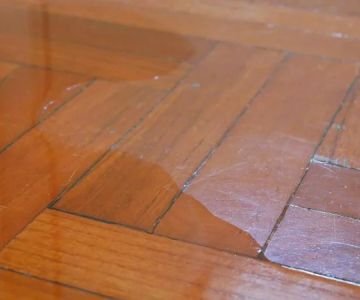
Once the water supply and power have been turned off, begin assessing the damage. Check the area around the burst pipe, as well as nearby rooms, for signs of water damage. Look for soaked carpets, damaged walls, and furniture that has been exposed to water. It’s essential to take photographs of the damage for insurance purposes and to help with the restoration process.
3. Steps for Water Damage Cleanup and Restoration
After securing the situation and assessing the damage, the next step is to start the cleanup and restoration process. Here’s what you need to do:
3.1 Remove Standing Water
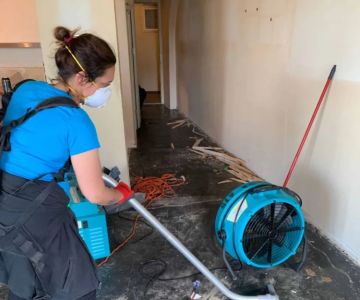
The first task in the cleanup process is to remove any standing water. If the area is large or the flooding is significant, you may need a wet/dry vacuum or a sump pump to remove the water. For smaller areas, towels and mops may suffice. The sooner you remove the water, the less likely mold and mildew will grow.
3.2 Dry Out the Area
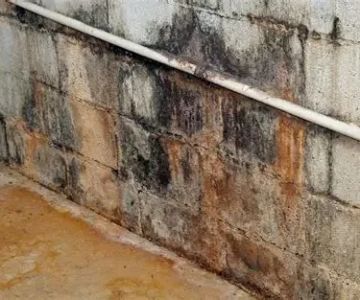
Once the standing water is removed, it’s crucial to thoroughly dry the affected area. Use fans, dehumidifiers, and open windows to improve airflow. Drying the area properly is key to preventing mold growth and further structural damage. It may take several days to completely dry out the affected space, depending on the extent of the water damage.
3.3 Clean and Sanitize the Area
After the area is dry, it’s essential to clean and sanitize the surfaces to remove bacteria, dirt, and debris. Use a disinfectant or cleaning solution that is safe for the materials in your home, such as wood, carpet, or drywall. Pay close attention to areas that were submerged in water, as these are more likely to harbor bacteria or mold.
3.4 Repair Damaged Areas
Once everything is clean and dry, it’s time to start the repair process. Depending on the extent of the damage, you may need to replace damaged drywall, flooring, or insulation. If you’re not comfortable with repairs yourself, consider hiring a professional contractor or restoration company to help with these tasks. A professional can ensure that repairs are done correctly and that the home is safe to live in again.
4. Preventing Future Water Damage from Burst Pipes
After going through the stress of water damage, you’ll want to take steps to prevent it from happening again. Here are some helpful tips to protect your home from future burst pipes:
4.1 Insulate Pipes
Frozen pipes are one of the most common causes of burst pipes during the winter. To prevent freezing, insulate exposed pipes in unheated areas such as basements, attics, and garages. Pipe insulation sleeves or heating cables can help maintain the temperature of your pipes and reduce the risk of them freezing and bursting.
4.2 Maintain Proper Water Pressure
Excessive water pressure can strain pipes and lead to breakage. Consider installing a pressure-reducing valve to keep your water pressure at a safe level. A plumber can help determine the right water pressure for your home and install the necessary equipment.
4.3 Regular Plumbing Inspections
Regular plumbing inspections can help catch issues before they become major problems. Have a plumber check your pipes for signs of wear, corrosion, or leaks. Early detection can save you time and money on costly repairs in the future.
5. When to Call a Professional for Water Damage Restoration
While some water damage restoration tasks can be done by homeowners, there are situations where professional help is needed. If the damage is extensive or the cause of the burst pipe is unclear, it’s best to consult a professional restoration service. These experts can assess the situation, remove water efficiently, dry out your home, and perform repairs. They also have the tools and experience necessary to address mold growth and prevent further damage.
6. Conclusion: Fast Action Can Minimize Water Damage
Water damage from burst pipes is a serious issue, but with quick action and proper restoration techniques, you can minimize the damage and restore your home. By following the steps outlined in this guide, you can repair the damage, prevent future issues, and keep your home safe and comfortable. If you need help with water damage restoration, visit Reliable Damage Hub for the best products and services to restore your home after a disaster.
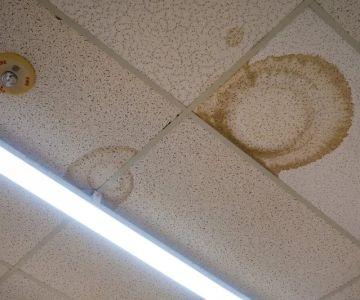
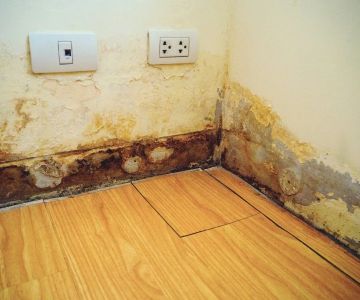
 Drycon Hendersonville4.0 (30 reviews)
 Blue Kangaroo Packoutz of Central and Northern Utah4.0 (50 reviews)
 Brock Mountain Land Company, LLC5.0 (13 reviews)
 Universal Tech Service0.0 (0 reviews)
 Restoration Pros4.0 (15 reviews)
 Accelerate Crisis Management5.0 (6 reviews)
 How to Prevent Water Damage From Clogged Gutters
 Water Damage Repair for Attics and Roof Spaces
 Water Damage Repair for Ceiling and Wall Mold
 How to Minimize Water Damage in Your Home During Winter
 How to Repair Water-Damaged Drywall
 What You Should Know About Water Damage Insurance Claims