
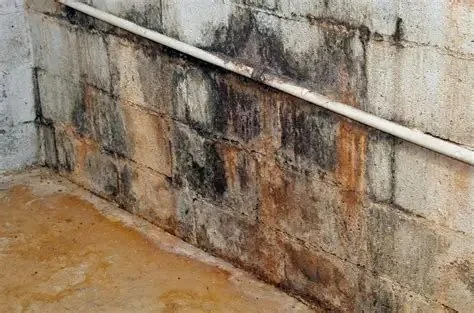
- understanding-water-damage-in-foundation-walls - why-it-happens-and-why-it-matters
- early-warning-signs-of-foundation-water-damage - how-to-spot-the-problem
- common-causes-of-moisture-in-foundation-walls - where-the-water-comes-from
- how-to-deal-with-water-damage-in-foundation-walls - practical-repair-steps
- real-homeowner-experience-with-foundation-leaks - lessons-from-a-case-study
- preventing-future-foundation-water-damage - long-term-protection
Understanding Water Damage in Foundation Walls
Water damage in foundation walls is one of the most common yet overlooked structural problems homeowners face. Because foundation walls are located below ground level, they are constantly exposed to soil moisture and groundwater pressure. Over time, this pressure can push water through tiny cracks or porous materials in the concrete.
1. Why Foundation Walls Are Vulnerable
Concrete may appear solid, but it naturally contains microscopic pores that allow water to pass through slowly. When combined with poor drainage or heavy rainfall, moisture can accumulate around the foundation and begin penetrating the structure.
2. Structural Risks of Ignoring Water Damage
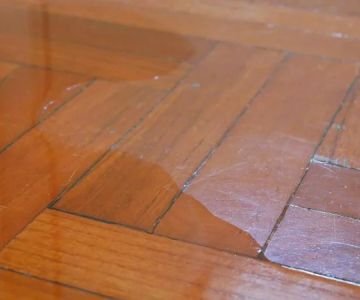
Even small amounts of water infiltration can lead to larger issues if ignored. Prolonged moisture exposure can weaken the foundation, cause mold growth, and damage flooring or drywall in finished basements.
Early Warning Signs of Foundation Water Damage
Identifying foundation wall water damage early can save homeowners significant repair costs. There are several warning signs that may indicate moisture problems.
1. Visible Cracks in Foundation Walls
Hairline cracks or larger fractures in concrete walls are common entry points for water. These cracks may appear vertical, horizontal, or stair-stepped along mortar joints.
2. Damp or Discolored Basement Walls
Moisture stains, peeling paint, or chalky white residue known as efflorescence are strong indicators of water seepage through foundation walls.
3. Musty Odors and Mold Growth
If your basement smells damp or musty, it could indicate hidden moisture behind walls or flooring. Mold thrives in these conditions and can spread quickly.
Common Causes of Moisture in Foundation Walls
Understanding the source of the water helps determine the best solution for protecting your home’s foundation.
1. Poor Drainage Around the Home
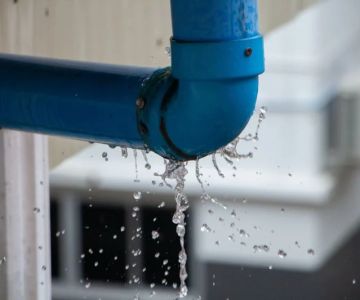
Improper grading or clogged gutters can allow water to collect near the foundation instead of draining away from the house.
2. Hydrostatic Pressure
When groundwater builds up in the soil around a home, it creates pressure against foundation walls. This pressure forces water through cracks and weak points.
3. Aging Waterproofing Materials
Many homes rely on exterior waterproofing membranes that deteriorate over time. Once these barriers fail, moisture can reach the concrete foundation.
How to Deal with Water Damage in Foundation Walls
Once water damage has been identified, addressing it quickly can prevent structural deterioration.
1. Seal Visible Cracks
Small cracks can often be repaired using epoxy injections or specialized concrete sealants designed for foundation repair.
2. Improve Exterior Drainage
Ensuring that gutters, downspouts, and landscape grading direct water away from the house can dramatically reduce foundation moisture problems.
3. Install Interior Drainage Systems
In severe cases, homeowners may install interior drainage systems or sump pumps to collect and remove water before it accumulates.
Real Homeowner Experience with Foundation Leaks
A homeowner in Ohio once noticed small white mineral deposits appearing along the basement walls after heavy rainfall. At first, it seemed harmless, but within a few months the problem worsened.
1. Early Signs Were Ignored
The homeowner initially assumed the marks were normal basement wear. However, after a particularly strong storm, water began pooling near the wall.
2. Professional Inspection Revealed the Cause
A professional inspection found clogged gutters and poor soil grading directing rainwater toward the foundation. Once the drainage system was corrected and cracks were sealed, the moisture problem disappeared.
Preventing Future Foundation Water Damage
Preventive maintenance is the most effective way to protect foundation walls from long-term water damage.
1. Maintain Gutters and Downspouts
Regularly cleaning gutters and ensuring downspouts extend away from the home helps prevent water buildup around the foundation.
2. Monitor Soil Grading Around the House
The soil around your home should slope slightly away from the structure to direct rainwater away from foundation walls.
3. Schedule Periodic Foundation Inspections
Professional inspections can identify potential vulnerabilities before they develop into major structural issues.
Protecting your home from foundation moisture problems requires both early detection and proper maintenance. If you're looking for guidance, tools, or expert resources related to foundation and structural protection, exploring trusted solutions through Reliable Damage Hub can help homeowners make informed decisions about repairs and prevention.
 Drycon Hendersonville4.0 (30 reviews)
 Blue Kangaroo Packoutz of Central and Northern Utah4.0 (50 reviews)
 Brock Mountain Land Company, LLC5.0 (13 reviews)
 Universal Tech Service0.0 (0 reviews)
 Restoration Pros4.0 (15 reviews)
 Accelerate Crisis Management5.0 (6 reviews)
 How to Prevent Water Damage From Clogged Gutters
 Water Damage Repair for Attics and Roof Spaces
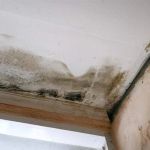 Water Damage Repair for Ceiling and Wall Mold
 How to Minimize Water Damage in Your Home During Winter
 How to Repair Water-Damaged Drywall
 What You Should Know About Water Damage Insurance Claims