
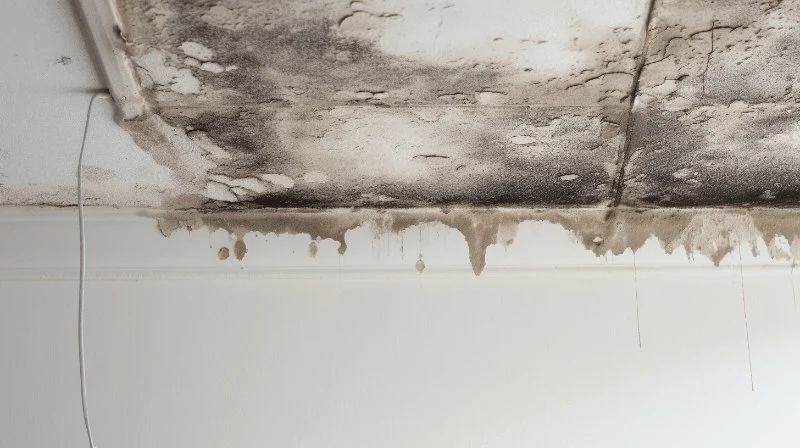
How to Prevent Water Damage from Leaky Roofs
- 1- Understanding the Risks of Leaky Roofs
- 2- How to Identify Early Signs of Roof Leaks
- 3- Effective Ways to Prevent Water Damage
- 4- When to Call a Professional for Roof Repair
- 5- Case Study: Successful Water Damage Prevention
1- Understanding the Risks of Leaky Roofs
A leaky roof is not just a minor inconvenience — it can lead to serious water damage if not addressed promptly. Water can seep into your home’s structure, causing wood rot, mold growth, and electrical issues. Over time, this damage can lead to costly repairs, structural instability, and health problems. Understanding the risks involved can help you take proactive steps to prevent damage.
SERVPRO of Pompano Beach / servpro fort lauderdale south
Pompano BeachBroward CountyFlorida
2101 NW 33rd St #200a, Pompano Beach, FL 33069, USA
2- How to Identify Early Signs of Roof Leaks
Being able to identify early signs of roof leaks is key to preventing significant water damage. Here are some common indicators:
- Discoloration or Stains on Ceilings: Yellow or brown spots on the ceiling often indicate water leakage from the roof.
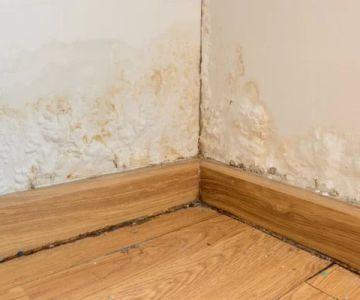
- Visible Dampness or Watermarks: If you notice wet spots on the walls or around windows, it could be a sign that water is seeping in.
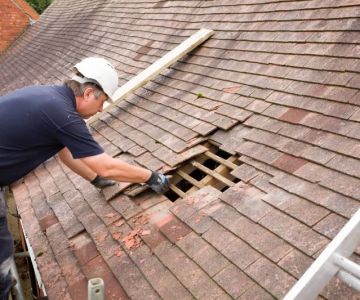
- Damaged or Missing Shingles: Shingles that are cracked, curled, or missing allow water to enter the roofing system and leak inside.
- Moss or Algae Growth: The presence of moss or algae on your roof can signal trapped moisture and potential leaks.
3- Effective Ways to Prevent Water Damage
Prevention is the best way to avoid the cost and hassle of water damage from a leaky roof. Here are some effective ways to protect your home:
- Regular Roof Inspections: Inspect your roof at least twice a year, especially after harsh weather conditions. Look for signs of wear, such as damaged shingles or debris accumulation.
- Maintain Gutters and Downspouts: Clogged gutters prevent water from flowing off the roof, increasing the risk of leaks. Clean gutters regularly to ensure water can flow freely.
- Reapply Roof Sealant: A roof sealant creates a protective layer on your roof that helps prevent leaks. Reapply sealant every few years to maintain the roof’s integrity.
- Ensure Proper Insulation and Ventilation: Proper insulation helps regulate temperature and moisture, preventing condensation and ice dams that can lead to leaks.
- Trim Overhanging Tree Branches: Tree branches can scratch and damage roofing materials, allowing water to penetrate. Trim branches regularly to prevent this.
4- When to Call a Professional for Roof Repair
While you can handle many preventative tasks yourself, there are times when it’s essential to call a professional roofer:
- Signs of Extensive Damage: If you notice widespread damage such as sagging, significant water stains, or structural issues, it’s time to call a professional.
- Inability to Locate the Leak: If you’re unable to pinpoint the source of the leak, a roofing contractor can help locate the problem and provide the necessary repairs.
- Complicated Roof Structures: If your roof has multiple layers or intricate designs, it’s best to leave repairs to a professional with the right expertise.
5- Case Study: Successful Water Damage Prevention
In one case, a homeowner in a coastal area noticed discoloration on their ceiling after a heavy rainstorm. They promptly called in a professional roofing contractor who discovered several loose shingles and damaged flashing. After repairing these issues and adding a new coat of sealant, the risk of further water damage was eliminated. The homeowner avoided expensive repairs down the line by taking quick action.
If you're concerned about water damage and leaky roofs, visit Reliable Damage Hub for expert advice and high-quality repair services.

 Good Roads Water Damage Experts5.0 (1 reviews)
 R&R Foundation Specialist4.0 (305 reviews)
 MJ White4.0 (102 reviews)
 ATI Restoration3.0 (25 reviews)
 Modernistic4.0 (251 reviews)
 ServiceMaster Cleaning Services4.0 (27 reviews)
 Water Damage Restoration for Retail Spaces – Expert Tips and Real Cases
 How to Prevent and Repair Water Damage in Commercial Properties
 How to Protect Your Home’s Electrical System from Water Damage: Essential Tips
 Flooded Basement? Here’s How to Restore It Safely
 How to Handle Water Damage After a Storm: A Step-by-Step Guide
 How to Handle Water Damage from Burst Pipes: A Step-by-Step Guide