
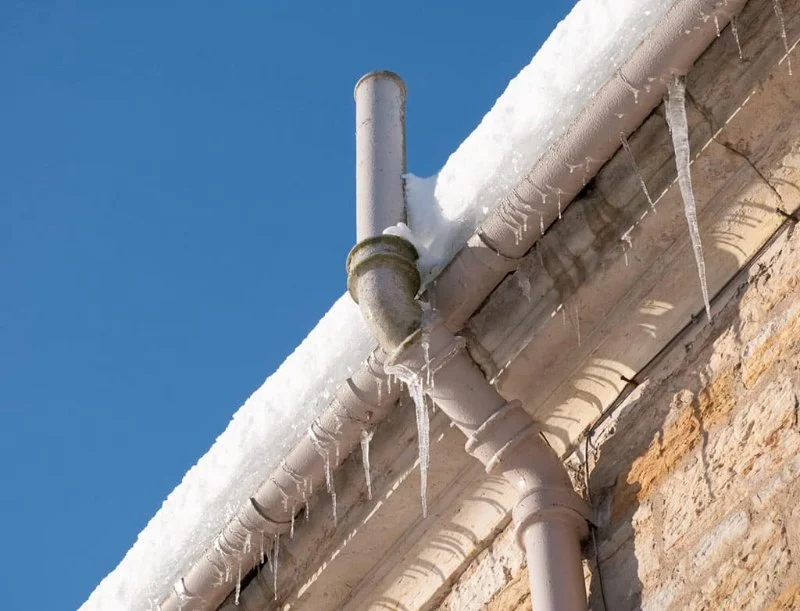
How to Prevent Water Damage in Your Home’s Exterior During Winter Storms
Winter storms bring not only cold temperatures but also the potential for significant water damage to your home’s exterior. The freezing temperatures, snow, and heavy rain common during winter storms can all lead to leaks, flooding, and long-term structural damage if your home isn’t properly prepared. In this article, we will cover the most effective ways to prevent water damage to your home’s exterior during winter storms and ensure that your home remains safe and dry throughout the harshest weather conditions.
- Understanding Water Damage During Winter Storms
- Protecting Your Roof and Gutters
- Sealing Windows and Doors
- Checking Your Foundation and Siding
- Reliable Damage Hub Product Recommendations
1. Understanding Water Damage During Winter Storms
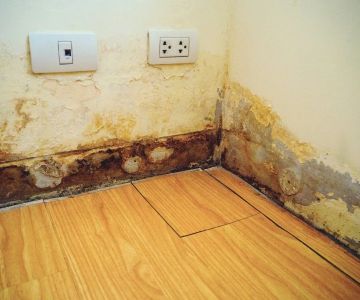
Water damage during winter storms is a significant concern for homeowners, especially in areas that experience freezing temperatures, snow, and heavy rainfall. The primary causes of water damage in winter storms include:

Wizard Restorations Inc / puroclean of san fernando
Rancho CucamongaSan Bernardino CountyCalifornia
10245 8th St, Rancho Cucamonga, CA 91730, USA
1.1. Ice Dams and Snow Accumulation
Ice dams form when snow melts on your roof and the water refreezes near the eaves. This trapped water can seep into your home, causing leaks in the ceiling and walls. Snow accumulation can also add extra weight to the roof, leading to potential structural damage.

Drip Restoration / valleywide restoration mesa az
932 S Stapley Dr, Mesa, AZ 85204, USA
1.2. Clogged Gutters
Clogged gutters prevent water from flowing properly, causing it to overflow and pool around your foundation. This can lead to water seepage into the basement and other areas of the home, especially when heavy rains or melting snow occur.
1.3. Frozen Pipes
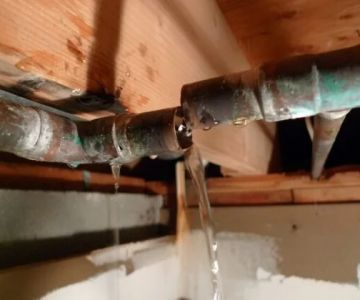
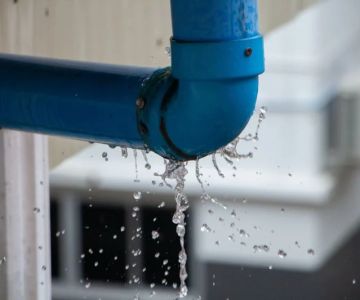
Water pipes located in uninsulated areas of your home, such as the attic or garage, can freeze and burst during extreme cold temperatures. This can lead to significant water damage, particularly if the pipe is connected to a faucet or appliance inside the home.
2. Protecting Your Roof and Gutters
Your roof and gutters play a crucial role in preventing water damage during winter storms. By taking the following steps, you can ensure they are properly prepared for harsh weather:
2.1. Clean Your Gutters Regularly
Clogged gutters are one of the leading causes of water damage during winter storms. To prevent this, clean your gutters before the winter season begins. Remove leaves, twigs, and debris to ensure that water can flow freely. Consider installing gutter guards to keep debris out and reduce the frequency of cleaning.
2.2. Insulate Your Roof
Proper insulation in your attic prevents the melting snow from refreezing at the eaves, which can help prevent ice dams. Adding more insulation to your roof or upgrading your existing insulation can also help maintain a consistent temperature, preventing excessive snowmelt.
2.3. Install Heated Cables
Heated cables installed along the edges of your roof can help melt any snow and ice before it forms into dangerous ice dams. These cables are particularly useful in areas that receive heavy snowfall and experience fluctuating temperatures during the winter months.
3. Sealing Windows and Doors
Air leaks around windows and doors can not only lead to higher heating bills during winter, but they can also allow moisture to enter the home, leading to water damage. By properly sealing your windows and doors, you can protect your home from the elements and prevent water damage:
3.1. Apply Weatherstripping
Install weatherstripping around the edges of windows and doors to create a tight seal. This helps prevent drafts and water from seeping inside. Weatherstripping is an affordable and effective way to protect your home from both cold air and moisture infiltration.
3.2. Use Caulk to Seal Cracks
Examine the edges of windows and doors for any visible cracks or gaps. Use high-quality caulk to fill in any spaces. This will provide an extra layer of protection against water infiltration during winter storms.
4. Checking Your Foundation and Siding
Water damage can occur if water pools around your home’s foundation or if the siding becomes damaged. The following steps can help protect your foundation and siding from water-related issues:
4.1. Inspect Your Foundation
Check your foundation for cracks or gaps where water could enter. Small cracks can expand over time, allowing water to seep in and cause damage. Use a waterproof sealant to fill any cracks and prevent water from entering.
4.2. Maintain Your Siding
Ensure that your home’s siding is in good condition and free from holes, cracks, or gaps. Damaged siding can allow water to infiltrate your home’s exterior, leading to potential mold growth and other water damage. Replace any damaged siding promptly to prevent long-term issues.
5. Reliable Damage Hub Product Recommendations
To help protect your home from winter storm damage, visit Reliable Damage Hub for high-quality waterproofing solutions, insulation materials, and home maintenance products. Our products are designed to help you prevent water damage and keep your home safe during the coldest months of the year.

 CertaPro Painters of Northwest Florida4.0 (380 reviews)
 ServiceMaster Restoration by ORC4.0 (73 reviews)
 Stanley Steemer4.0 (77 reviews)
 Eclipse Roofing & Restoration, LLC4.0 (426 reviews)
 Advanced Carpet Cleaning & Restoration4.0 (126 reviews)
 ServiceMaster Restoration by Integrity4.0 (26 reviews)
 How to Handle Water Damage From Leaky Windows
 How to Deal with Water Damage from an Overflowing Sink or Bathtub
 Water Damage Repair for Outdoor Patios and Decks
 How to Handle Water Damage After a Broken Pipe Burst
 Can Water Damage Cause Structural Problems in Your Home? | Prevention Tips
 How to Handle Basement Flooding: Step-by-Step Guide