
- 1. Understanding Water Damage and Its Impact
- 2. Step 1: Assess the Situation and Ensure Safety
- 3. Step 2: Stop the Source of Water
- 4. Step 3: Begin Water Extraction and Drying
- 5. Step 4: Document the Damage for Insurance
- 6. Step 5: Call Professionals for Repairs
- 7. How Reliable Damage Hub Can Help with Water Damage Repair
1. Understanding Water Damage and Its Impact
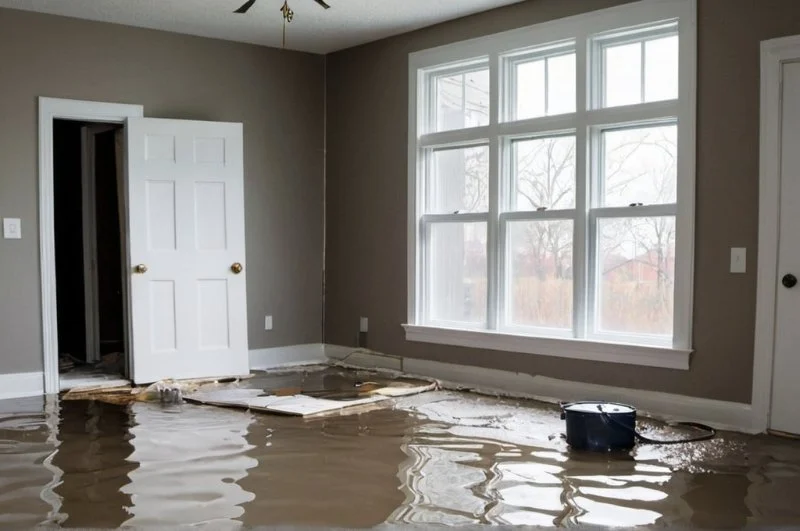
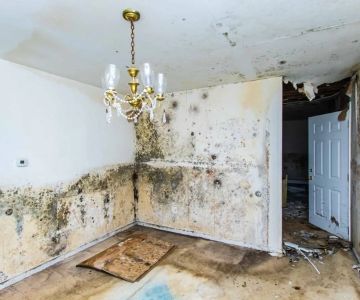
Water damage can occur due to a variety of factors, including heavy rainfall, flooding, plumbing leaks, or burst pipes. It can lead to significant structural damage, mold growth, and even health risks if not handled quickly and properly. As a homeowner, understanding what to do immediately after water damage is crucial in minimizing damage and beginning the recovery process. In this guide, we’ll walk you through the essential steps to take after experiencing water damage in your home.
SERVPRO of Pompano Beach / servpro of santa maria
Pompano BeachBroward CountyFlorida
2101 NW 33rd St #200a, Pompano Beach, FL 33069, USA
2. Step 1: Assess the Situation and Ensure Safety
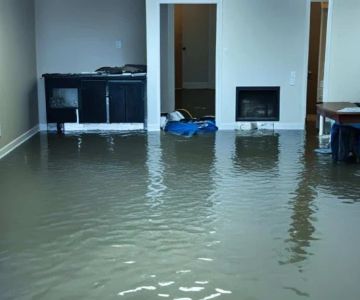
The first thing you should do after experiencing water damage is to assess the situation. Ensure that everyone in the house is safe. Water damage can lead to electrical hazards, so if the water has reached electrical outlets or wiring, avoid touching anything and turn off the electricity from the main breaker if it is safe to do so.

Kustom US Restoration / kustom restoration
1215 W Houston Ave Suite A, Gilbert, AZ 85233, USA
Ensure the Safety of Your Family
Before you take any action to clean up the water, make sure that your family is safe. Move to a dry area and avoid walking through standing water. If there’s a risk of structural damage, such as sagging ceilings or unstable walls, evacuate the home until professionals can assess the damage.
3. Step 2: Stop the Source of Water
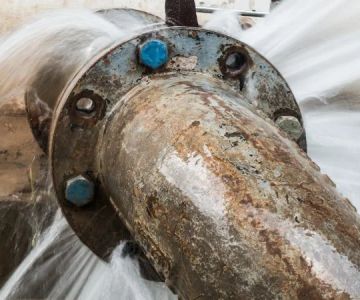
If you haven’t already, it’s crucial to stop the source of water as quickly as possible. This may involve shutting off the water supply if the damage is due to a burst pipe or leak. In case of a flooding emergency, if the water source is from outside, contacting local authorities or emergency services might be necessary to manage the situation.
How to Locate the Source of Water
In many cases, the source of the water damage is clear (e.g., a burst pipe, overflowing toilet, or leaking appliance). However, if the cause is unclear, inspect all water pipes, appliances, and any sources of water in your home. Once you’ve identified and stopped the flow, you can proceed with water extraction.
4. Step 3: Begin Water Extraction and Drying
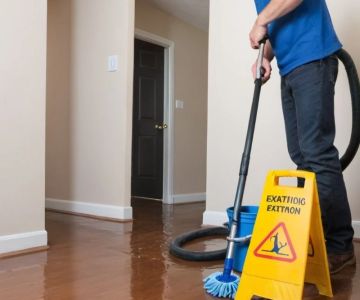
Once the source of water is stopped, your next priority is to begin removing the water and drying out the affected areas. Standing water can lead to further damage, including warped floors, damaged walls, and the growth of mold. Use towels, buckets, or a wet/dry vacuum to remove as much water as possible.
Effective Drying Techniques
To dry out the affected areas, open windows and use fans to increase air circulation. Dehumidifiers are also very helpful in drawing moisture from the air and surfaces. Keep in mind that the longer water sits, the more damage it can cause, so it’s critical to begin the drying process as soon as possible.
5. Step 4: Document the Damage for Insurance
After the initial steps are taken, it’s time to document the water damage for insurance purposes. Take detailed photos and videos of all affected areas, including walls, flooring, furniture, and any other personal items that have been damaged. This documentation will be crucial for your insurance claim and for any future repairs.
Key Things to Document
- Water level and areas affected
- Damage to walls, floors, and ceilings
- Destroyed furniture or appliances
- Any personal belongings that have been damaged
6. Step 5: Call Professionals for Repairs
Water damage can cause structural problems that may not be immediately visible. For this reason, it’s highly recommended to call professionals who specialize in water damage restoration. They will be able to assess the full extent of the damage, offer expert cleaning and drying solutions, and help with necessary repairs.
Why Professional Help is Necessary
Professionals have the experience and equipment to remove water thoroughly and prevent further damage. They will also help identify hidden problems, such as mold growth, that could pose a health risk if left untreated. In addition, professionals can help you with insurance claims, making the process smoother and faster.
7. How Reliable Damage Hub Can Help with Water Damage Repair
If you need expert help with water damage restoration, look no further than Reliable Damage Hub. Our team provides reliable, fast, and professional water damage services to ensure your home is restored to its original condition. From water extraction to structural repairs, we handle it all. Visit Reliable Damage Hub for top-notch products, services, and expert advice to help you recover from water damage quickly and effectively.

 ServiceMaster Restoration by SMP24.0 (72 reviews)
 BELFOR Property Restoration4.0 (23 reviews)
 Clean Green Restoration5.0 (40 reviews)
 America Inc.3.0 (6 reviews)
 Mixon Foundation and Crawlspace Repair5.0 (35 reviews)
 SERVPRO of Waco5.0 (34 reviews)
 Water Damage Repair for Carpets and Rugs: How to Fix and Restore
 How to Identify and Repair Water Damage Behind Drywall in Your Home
 How to Handle Water Damage From Burst Water Heaters – Cleanup, Repair & Prevention
 How to Restore Water-Damaged Personal Items
 What’s the Best Way to Repair Water-Damaged Drywall? – Expert Guide
 How to Spot Hidden Water Damage in Your Home’s Foundation