
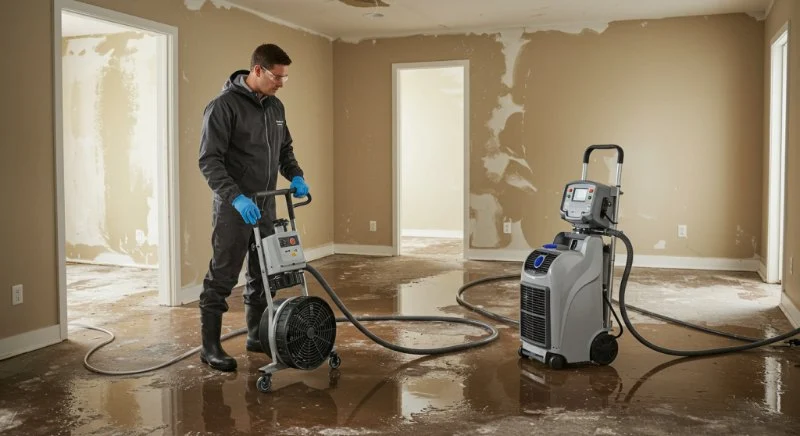
- Emergency Response - Stabilizing Damage After Water Intrusion #emergency-response
- Damage Assessment - Understanding Full Interior Impact #damage-assessment
- Structural Drying - Removing Hidden Moisture Properly #structural-drying
- Restoring Walls, Floors, and Ceilings #restoring-surfaces
- Electrical and HVAC Safety Checks #electrical-hvac
- Mold Prevention and Indoor Air Quality Recovery #mold-prevention
- Real-Life Water Damage Case Study #case-study
- Costs, Timelines, and Insurance Considerations #costs-insurance
- When to Call Professionals and Long-Term Prevention #professional-help
Emergency Response - Stabilizing Damage After Water Intrusion
Acting within the first hour matters more than most homeowners realize
When water enters a home—whether from a burst pipe, heavy rainfall, or appliance failure—the first hour determines how extensive the damage will become. In many real-world cases across the United States, homeowners underestimate how quickly water spreads beneath flooring, inside drywall, and through hidden cavities of a full interior layout. What seems like a small puddle can silently compromise structural materials within minutes.

Wizard Restorations Inc / puroclean of san fernando
Rancho CucamongaSan Bernardino CountyCalifornia
10245 8th St, Rancho Cucamonga, CA 91730, USA
Immediate steps that shape the entire restoration outcome
The priority is always safety and containment. Power should be shut off in affected zones if water levels are near electrical outlets or appliances. After that, stopping the source of water is critical. In plumbing failures, this means closing the main valve. In storm-related flooding, preventing further entry using barriers or sandbags can help reduce escalation.
A key insight from restoration professionals is that homeowners who respond quickly often reduce total repair costs by nearly half compared to delayed responses. This early intervention phase directly influences whether interior layouts can be preserved or require full reconstruction.
Kustom US Restoration / kustom restoration
1215 W Houston Ave Suite A, Gilbert, AZ 85233, USA
Damage Assessment - Understanding Full Interior Impact
Why surface-level inspection is never enough
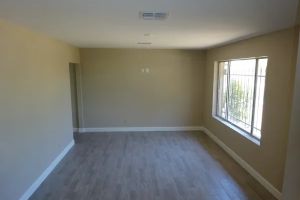
Water damage rarely stays visible. Beneath flooring materials, inside wall cavities, and above ceiling panels, moisture can travel unpredictably. A proper assessment involves identifying not only what is wet, but how deeply the water has penetrated the interior structure.
Professionals typically use moisture meters and thermal imaging tools to map out affected zones. In homes with open-concept layouts, water tends to spread faster due to fewer physical barriers, which complicates the restoration process significantly.
Common overlooked damage areas in interior layouts
Baseboards, insulation layers, subflooring, and interior framing often absorb moisture unnoticed. These components can retain dampness for days if not treated correctly, increasing the risk of mold growth and material weakening.
Structural Drying - Removing Hidden Moisture Properly
The science behind effective drying techniques
Drying a home after water exposure is not simply about using fans. It involves controlling humidity, airflow, and temperature in a coordinated system. Industrial-grade dehumidifiers extract moisture from the air while air movers target wet surfaces to accelerate evaporation.
In full interior layouts, airflow pathways must be strategically designed. Open spaces may dry faster, but enclosed areas like closets, cabinetry interiors, and behind drywall require targeted intervention.
Why incomplete drying leads to long-term problems
Even small pockets of retained moisture can lead to structural deterioration. Over time, wood warping, drywall bubbling, and adhesive breakdown occur. This is why professional restoration emphasizes achieving verified dryness rather than visual dryness.
Restoring Walls, Floors, and Ceilings
Repairing drywall and wall assemblies
Once drying is complete, damaged drywall sections are removed and replaced. In moderate cases, only the lower portions of walls are cut out, while in severe flooding events, full wall panels must be replaced. Joint compounds and repainting restore the visual integrity of interior spaces.
Flooring restoration challenges in full layouts
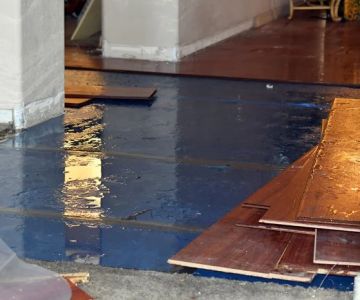
Different flooring materials respond differently to water exposure. Hardwood may warp or cup, laminate often delaminates, and carpet can retain contaminants. Subfloor inspection is essential before any new installation begins.
Ceiling repair and hidden moisture risks
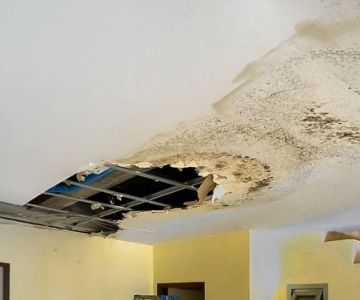
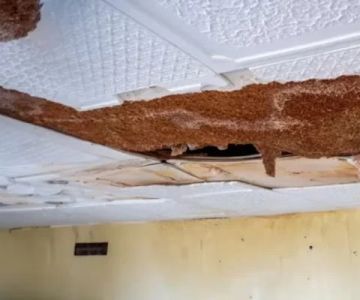
Ceilings are often affected when water travels from upper floors or roof leaks. Sagging drywall and staining are visible signs, but internal moisture pockets are the real concern. Proper removal and replacement ensure long-term stability.
Electrical and HVAC Safety Checks
Hidden risks behind walls and ducts
Water exposure to electrical wiring or HVAC systems can create serious hazards. Even if systems appear functional, corrosion and internal damage may develop later.
Licensed technicians typically inspect wiring integrity, breaker panels, and ventilation systems before restoration continues. HVAC ducts may require deep cleaning or partial replacement if contamination occurred.
Mold Prevention and Indoor Air Quality Recovery
Why mold becomes a major threat within 48 hours
Moist environments combined with organic materials like wood and drywall create ideal conditions for mold growth. In many U.S. residential cases, mold begins developing within 24–72 hours after water exposure if drying is insufficient.
Air quality restoration strategies
HEPA filtration systems, antimicrobial treatments, and controlled ventilation are commonly used to restore safe indoor conditions. Preventive treatments are applied to vulnerable surfaces to reduce recurrence risk.
Long-term prevention often includes humidity monitoring systems that alert homeowners when indoor moisture levels exceed safe thresholds.
Real-Life Water Damage Case Study
A Brooklyn apartment flooding incident and full layout recovery
A notable case involved a mid-rise apartment in Brooklyn, New York, where a burst pipe on the upper floor caused water to cascade through multiple units. The affected apartment experienced damage across its entire interior layout—living room, kitchen, hallway, and bedroom areas.
Initially, the homeowner underestimated the severity, assuming only partial floor replacement would be required. However, inspection revealed moisture trapped behind kitchen cabinetry and within shared wall cavities. Without immediate intervention, mold risk would have escalated significantly.
Restoration process and outcome
The restoration team performed full structural drying, removed sections of saturated drywall, and replaced underlayment throughout the flooring system. HVAC ducts were cleaned due to airborne moisture contamination. After approximately two weeks of coordinated work, the interior layout was fully restored to pre-damage condition.
This case highlights a critical lesson: visible water damage is often only a fraction of the total affected area.
Costs, Timelines, and Insurance Considerations
What influences total restoration cost
Costs vary widely depending on water source type, material damage, and response time. Clean water from plumbing failures is generally less expensive to restore than storm or sewage-related flooding, which requires contamination control.
Insurance claim dynamics in the United States
Many homeowners insurance policies cover sudden and accidental water damage but exclude long-term leaks or neglect. Documentation, including photos and professional assessments, plays a key role in successful claims.
Typical restoration timeline
Minor incidents may resolve in 2–5 days, while full interior layout restoration after major flooding can take 1–3 weeks depending on structural drying needs and material replacement complexity.
When to Call Professionals and Long-Term Prevention
Why DIY solutions often fall short
While small spills can be managed independently, full interior water damage requires specialized tools and expertise. Improper drying or incomplete removal of damaged materials can lead to recurring issues months later.
In complex cases, consulting a professional restoration service is essential. Platforms like
Preventive strategies for future protection
Preventing future damage involves routine plumbing inspections, installing leak detection systems, and maintaining proper drainage around the property. Homes with finished basements or open layouts benefit significantly from early warning sensors that detect moisture anomalies before they escalate.
Long-term resilience is not just about repair—it is about redesigning vulnerability points within the interior layout to reduce future risk exposure.
 Restoration Specialists3.0 (13 reviews)
 EZ Dry4.0 (59 reviews)
 Guardian Recovery Services4.0 (108 reviews)
 Advanced Disaster Recovery4.0 (31 reviews)
 The Green Hornet Restoration4.0 (7 reviews)
 Asheville Waterproofing Company4.0 (40 reviews)
 The Hidden Dangers of Water Damage and How to Avoid Them
 How to Deal with Water Damage from a Burst Pipe: Expert Tips for Homeowners
 Why Professional Water Damage Restoration Services Are Worth the Cost
 Preventing Water Damage From Leaky Roofs: Tips for Homeowners
 How to Dry Out Water-Damaged Wooden Floors | Step-by-Step Guide
 What to Expect During a Water Damage Restoration Service