
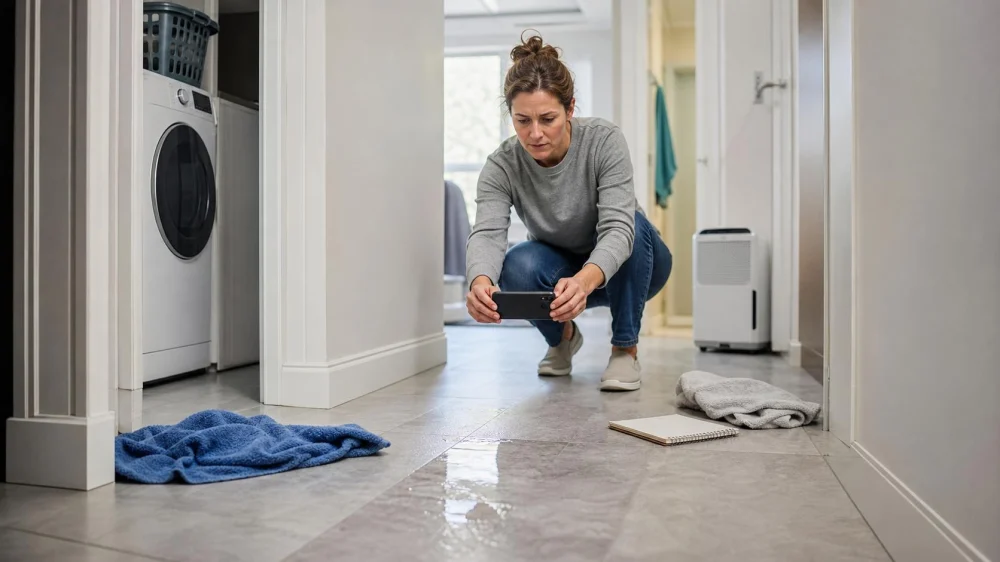
How to Document Water Damage Before Restoration
On this page
Quick answer
Document water damage by taking safe wide and close-up photos, noting the suspected source, affected rooms, time discovered, water depth, materials touched, visible stains, odours, and any shutoff actions. Do not enter standing water near electricity or sewage. Call restoration professionals when damage spreads, materials stay wet, or contamination is possible.

Kustom US Restoration / kustom restoration
1215 W Houston Ave Suite A, Gilbert, AZ 85233, USA
Start with safety first
Water damage documentation is the process of recording visible damage, likely source, timing, and affected belongings before cleanup, restoration, or an insurance conversation.
Safety comes first. Avoid standing water near outlets, appliances, breaker panels, sagging ceilings, contaminated water, or structural damage. If conditions are unsafe, leave the area and contact qualified help.

Wizard Restorations Inc / puroclean of san fernando
Rancho CucamongaSan Bernardino CountyCalifornia
10245 8th St, Rancho Cucamonga, CA 91730, USA
What to photograph
When it is safe, take photos before moving items:
- Wide photos showing the whole affected room.
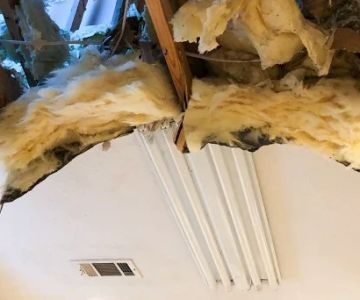
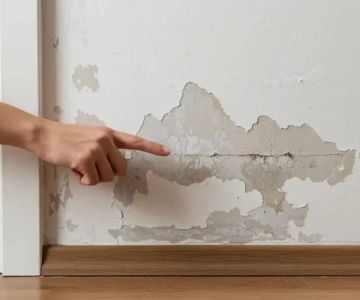
- Close-ups of water lines, stains, swollen flooring, baseboards, and damaged walls.
- The likely source, such as a pipe, appliance, roof leak area, drain, or window.
- Damaged belongings before disposal.
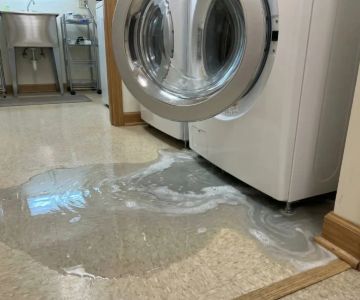
- Water near thresholds, cabinets, carpets, or under appliances.
- Any shutoff valve, bucket, towel, or temporary action you used.
Notes to write down
Write a short timeline. Include when the water was discovered, what was happening before it appeared, whether the source stopped, which rooms are affected, and who you contacted.
This record is best for helping restoration companies, plumbers, roofers, landlords, property managers, or insurance representatives understand the situation. It is not ideal for delaying emergency mitigation when water is spreading.
When to call professionals
Call a restoration service if water affected drywall, insulation, carpet, wood flooring, cabinets, ceilings, multiple rooms, or hidden spaces. Call sooner if water may be contaminated, the source is unknown, or dampness remains after basic cleanup.
Water damage can continue behind surfaces even when the visible puddle is gone. Professional moisture measurement may be needed.
Documentation checklist
- Confirm the area is safe to enter.
- Take wide and close-up photos.
- Record date, time, and suspected source.
- List affected rooms and materials.
- Save photos of damaged belongings.
- Note shutoff, cleanup, or temporary protection steps.
- Keep receipts for emergency supplies or services.
- Contact restoration, plumbing, roofing, or insurance support as needed.
Important notes
This article is general water damage recovery guidance for readers in the United States. It does not replace professional restoration advice, insurance policy terms, landlord requirements, or emergency services.
Do not disturb suspected mould, sewage-contaminated materials, or electrical hazards. When in doubt, stay out and call qualified professionals.
FAQ
Should I clean before taking photos?
If the area is safe and water is not actively spreading, take quick photos first. If safety or damage control requires immediate action, prioritise safety and document as soon as possible.
How many photos do I need?
Take enough to show the room, the source, the damage close up, and affected belongings. More clear photos are usually better than one tight close-up.
Should I throw away wet items?
Photograph damaged items first when safe. For contaminated or unsafe materials, follow professional or local disposal guidance.
Can a small leak dry on its own?
Some surface water may dry, but hidden dampness can remain in walls, flooring, cabinets, or insulation. Call a professional if materials stayed wet or the source is uncertain.
Evidence notes
This guide is based on common water damage response principles: safety first, source documentation, wide and close-up photos, timeline notes, moisture concerns, and professional mitigation for hidden or contaminated damage.
Next steps
Take safe photos, stop the source if you can do so without risk, and call the right professional quickly. Good documentation helps, but fast mitigation prevents small water damage from becoming a larger repair.
 ServiceMaster Disaster Associates - Stoneham5.0 (12 reviews)
 Northbay Maintenance4.0 (21 reviews)
 Stanley Steemer4.0 (2126 reviews)
 MRW Seamless Gutters5.0 (18 reviews)
 Apex Contracting & Restoration4.0 (59 reviews)
 Hometown Restoration4.0 (73 reviews)
 How to Repair Water-Damaged Floors in Your Home
 What You Need to Know About Water Damage in Commercial Properties
 How to Protect Your Property from Water Damage During Heavy Snowfalls
 Water Damage Inspection Checklist for Homeowners – Prevent and Repair Water Damage Effectively
 How to Deal with Water Damage Caused by Heavy Rainfall
 How to Restore Water-Damaged Personal Items