
- 1 - Understanding Water Damage on Hardwood and Laminate Floors
- 2 - How to Repair Water Damage on Hardwood Floors
- 3 - How to Repair Water Damage on Laminate Floors
- 4 - Preventing Future Water Damage to Your Floors
- 5 - When to Call Professionals for Water Damage Repair
1 - Understanding Water Damage on Hardwood and Laminate Floors
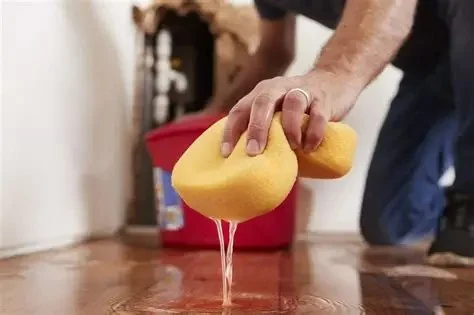
Water damage is one of the most common issues faced by homeowners when it comes to flooring. Whether it’s from a leaky pipe, flooding, or an accidental spill, water can quickly compromise the integrity of both hardwood and laminate floors. Water can warp, stain, and weaken your floors, leading to irreversible damage if not addressed promptly.
Hardwood floors, being natural wood, tend to absorb water more quickly, leading to swelling, cupping, or buckling. On the other hand, laminate floors, made of layered materials, can swell and peel when exposed to water, although they are less susceptible to warping compared to hardwood. Regardless of the type of floor, addressing water damage quickly is key to preserving its appearance and functionality.
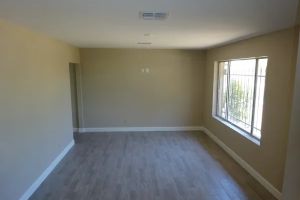
Kustom US Restoration / kustom restoration
1215 W Houston Ave Suite A, Gilbert, AZ 85233, USA
2 - How to Repair Water Damage on Hardwood Floors
Repairing water damage on hardwood floors requires careful attention to detail, as improper repair can worsen the problem. Follow these steps to restore your hardwood floors:
- Step 1: Assess the Damage - Before beginning the repair, inspect the extent of the water damage. If the damage is isolated to one or two boards, you may be able to repair them individually. However, if the damage is widespread, you may need to replace large sections of flooring.
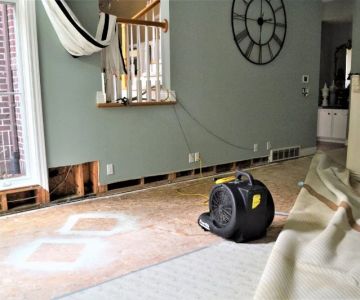
- Step 2: Dry the Floor - Use fans, dehumidifiers, or even towels to remove excess moisture from the floor. Make sure the area is completely dry before proceeding with any repairs.
- Step 3: Sand the Affected Area - If the wood has swollen or buckled, use a fine-grit sander to smooth the surface. Sanding can help restore the natural texture of the wood and remove any watermarks.
- Step 4: Refinish and Seal - After sanding, apply a wood finish or sealant to protect the floor and restore its original sheen. Choose a finish that matches your floor’s existing color and texture to ensure a seamless repair.
3 - How to Repair Water Damage on Laminate Floors
Laminate floors can be trickier to repair compared to hardwood, as the materials are typically more resistant to damage but can still suffer from swelling or peeling when exposed to water. Here’s how to repair water-damaged laminate floors:
- Step 1: Dry the Floor Immediately - As with hardwood floors, prompt action is essential. Dry the area with towels, fans, or a dehumidifier to prevent further damage.
- Step 2: Inspect the Damage - Look for any signs of bubbling, peeling, or warping in the laminate. If the laminate has swollen or developed bubbles, it may need to be replaced entirely. For minor swelling, try applying weight to flatten the laminate back into place.
- Step 3: Replace Damaged Panels - In cases where the laminate has been severely damaged, you may need to replace the affected panels. Most laminate floors are designed to be easily removed and replaced, making this process fairly straightforward.
4 - Preventing Future Water Damage to Your Floors
Once you’ve repaired the water damage on your floors, it’s crucial to take steps to prevent future damage. Here are some tips to help protect your hardwood and laminate floors:
- Use Rugs or Mats: Place rugs or mats near entryways, sinks, and other high-risk areas to catch water before it reaches your floors.
- Fix Leaks Immediately: Any plumbing leaks or water spills should be addressed as soon as they’re noticed to prevent further water exposure to your floors.
- Control Humidity: Use dehumidifiers in areas prone to moisture, such as basements, to keep humidity levels in check and reduce the risk of water damage.
5 - When to Call Professionals for Water Damage Repair
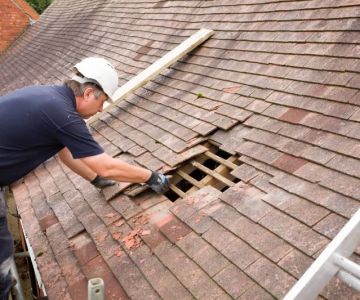
While DIY repairs can be effective for minor water damage, there are situations where professional help is needed. If the damage is widespread, has caused significant warping or buckling, or if you’re dealing with flooding, it’s best to call in professionals. They have the necessary tools and experience to assess and repair water damage quickly and efficiently, ensuring that your floors are restored to their original condition.
Additionally, if you’re unsure how to proceed or if you’re dealing with a particularly delicate situation, seeking professional advice can prevent further damage and help you avoid costly mistakes.
For high-quality water damage repair products and expert advice, visit Reliable Damage Hub to find the right solutions for your hardwood and laminate floors.
 Good Roads Water Damage Experts5.0 (1 reviews)
 R&R Foundation Specialist4.0 (305 reviews)
 MJ White4.0 (102 reviews)
 ATI Restoration3.0 (25 reviews)
 Modernistic4.0 (251 reviews)
 ServiceMaster Cleaning Services4.0 (27 reviews)
 Water Damage Restoration for Retail Spaces – Expert Tips and Real Cases
 How to Prevent and Repair Water Damage in Commercial Properties
 How to Protect Your Home’s Electrical System from Water Damage: Essential Tips
 Flooded Basement? Here’s How to Restore It Safely
 How to Handle Water Damage After a Storm: A Step-by-Step Guide
 How to Handle Water Damage from Burst Pipes: A Step-by-Step Guide