
- Understanding Whole-Property Water Damage Systems - how moisture spreads through structures
- Identifying Sources of Water Intrusion - plumbing, roof, foundation, and HVAC risks
- Structural Repair and Drying Processes - restoring walls, floors, and hidden framing
- Mold Prevention and Air Quality Control - long-term health and safety considerations
- Electrical and Mechanical System Restoration - hidden damage risks inside systems
- Real Disaster Recovery Case Studies - homeowners and flood restoration examples
- Step-by-Step Repair Strategy - professional water damage response workflow
- Repair vs Full Replacement Decisions - when restoration is no longer enough
- Professional Assistance via Reliable Damage Hub - expert restoration guidance
Understanding Water Damage Across Entire Property Systems
Water damage is rarely isolated. When moisture enters a property, it spreads through multiple interconnected systems, including walls, flooring, insulation, electrical pathways, and HVAC components. This is why understanding how to repair water damage around entire property systems requires more than surface-level fixes.
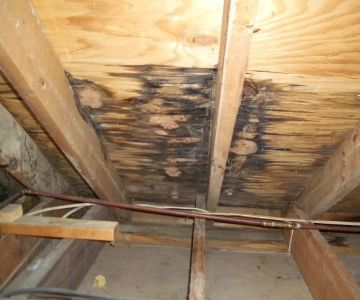
In many U.S. homes, water intrusion begins silently—through a small plumbing leak, roof seepage, or foundation cracks. Over time, this moisture migrates through structural cavities, weakening materials from the inside out before visible signs appear.
One of the biggest misconceptions among homeowners is that drying visible surfaces is enough. In reality, hidden moisture trapped behind drywall or beneath flooring can continue causing deterioration for weeks or even months.
Professional restoration focuses on system-wide evaluation, not just localized cleanup. This includes mapping moisture spread, identifying saturation zones, and assessing structural integrity across the entire property.
Kustom US Restoration / kustom restoration
1215 W Houston Ave Suite A, Gilbert, AZ 85233, USA
Identifying Sources of Water Intrusion in Property Systems
Effective property water damage restoration begins with identifying where the water is coming from. Without eliminating the source, any repair effort is temporary.
Plumbing leaks are one of the most common causes. Even slow, undetected pipe leaks inside walls can lead to significant structural weakening over time.
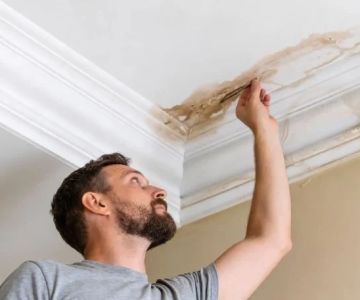
Roof damage is another major contributor, especially after storms or heavy rainfall. Water often enters through compromised shingles or flashing and spreads downward into ceilings and wall cavities.
Foundation cracks allow groundwater to seep into basements and crawl spaces. This type of intrusion is particularly problematic because it often goes unnoticed until mold or structural shifting occurs.
A homeowner in New Jersey discovered persistent basement dampness that was initially attributed to humidity. A professional inspection later revealed a hairline foundation crack that had been allowing water intrusion for months.
SERVPRO of Pompano Beach / servpro of santa maria
Pompano BeachBroward CountyFlorida
2101 NW 33rd St #200a, Pompano Beach, FL 33069, USA
Structural Drying and Water Damage Repair Process
Once the source is identified and controlled, the next step in water damage repair systems involves structured drying and restoration. This is a critical phase because improper drying leads to long-term structural decay.
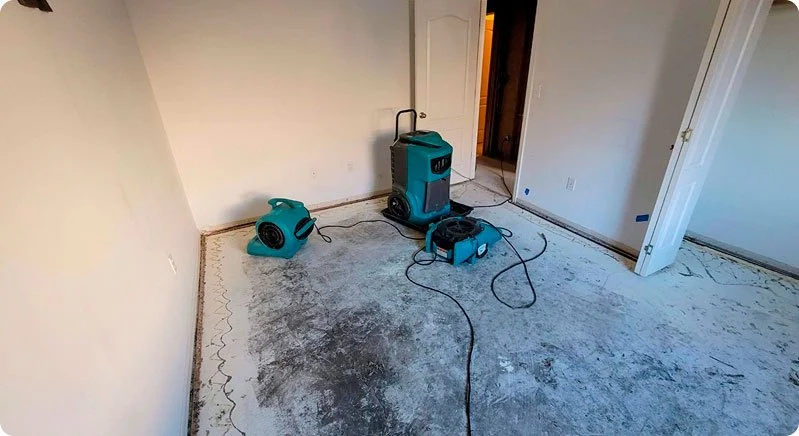
Industrial-grade dehumidifiers and air movers are typically used to remove moisture from walls, floors, and hidden cavities. Simply opening windows is not sufficient for deep saturation cases.
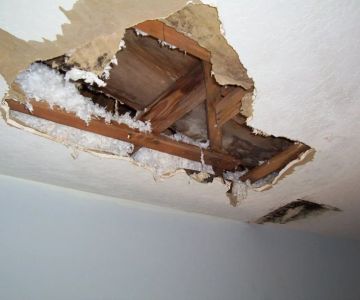
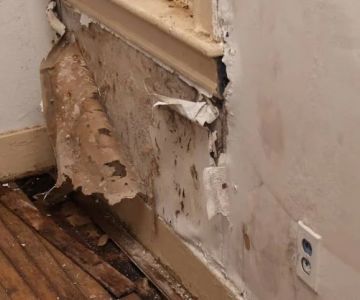
Damaged materials such as soaked drywall, insulation, or warped flooring may need partial or full removal depending on severity. Leaving compromised materials in place can trap moisture and accelerate deterioration.
Framing structures are also inspected for weakening. Wood that remains damp for extended periods may lose strength and become susceptible to mold growth.
In a Florida flood recovery case, a homeowner initially attempted DIY drying after a hurricane. However, hidden moisture remained in wall cavities, eventually leading to mold spread that required full wall replacement.
Mold Prevention and Indoor Air Quality Protection
One of the most serious consequences of water damage is mold development. Mold can begin forming within 24 to 48 hours of moisture exposure under the right conditions.
Mold prevention is not just a cleaning task—it is a controlled environmental process. It involves reducing humidity, removing contaminated materials, and ensuring airflow circulation throughout affected spaces.
Air quality testing is often recommended in severe cases to determine whether spores have spread beyond visible areas. HVAC systems are particularly vulnerable because they can distribute contamination throughout the entire home.
A homeowner in Texas experienced recurring respiratory issues after a minor kitchen leak. Investigation revealed mold growth inside ductwork, highlighting how water damage can extend beyond visible surfaces.
Proper remediation ensures that both structural integrity and indoor health conditions are restored simultaneously.
Electrical and Mechanical System Water Damage Risks
Water damage does not only affect visible structures—it also impacts electrical wiring, outlets, and mechanical systems hidden within walls and floors.
Electrical systems exposed to moisture can become hazardous, increasing the risk of short circuits or long-term corrosion. Even if systems appear functional, internal damage may still exist.
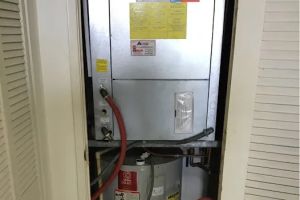
HVAC units are also vulnerable. Moisture inside duct systems or compressors can reduce efficiency and lead to system failure over time.
Plumbing systems themselves can also suffer secondary damage, especially when corrosion develops in areas affected by prolonged moisture exposure.
Professional restoration teams typically include electrical inspection as part of full-system water damage repair to ensure safety and long-term reliability.
Real Property Water Damage Recovery Case Studies
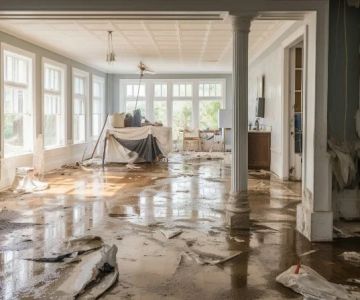
In one notable case in Louisiana, a homeowner experienced flooding after a severe storm. Initial cleanup focused only on surface water removal, but moisture remained trapped in subfloor layers. Within weeks, flooring began to warp and mold spread underneath.
In contrast, a commercial property in California underwent immediate full-system restoration after a sprinkler malfunction. Because drying equipment and structural inspection were deployed quickly, long-term damage was minimized.
These contrasting outcomes demonstrate that timing and depth of response are critical factors in successful water damage repair systems.
Many homeowners underestimate how quickly water can migrate through structural layers, especially in multi-level properties where gravity accelerates downward saturation.
Step-by-Step Water Damage Repair Strategy
A structured approach to water damage repair begins with emergency containment, followed by source elimination, drying, material removal, and reconstruction.
Each phase must be completed thoroughly before moving to the next. Skipping steps often leads to recurring damage and higher long-term costs.
Moisture mapping tools are commonly used to track hidden saturation areas. This ensures that no affected zone is overlooked during restoration.
Once the structure is fully dry, reconstruction begins with replacing damaged materials and restoring finishes to their original condition.
Repair vs Full Replacement Decisions in Water Damage Cases
One of the most difficult decisions homeowners face is whether to repair affected systems or replace them entirely.
Localized damage, such as a single wall or section of flooring, can often be repaired effectively. However, widespread saturation or prolonged exposure may require full replacement of affected systems.
Professional assessment is critical in making this decision because hidden moisture can significantly alter long-term structural outcomes.
In many cases, early intervention allows for repair rather than replacement, saving both time and cost while preserving property value.
Professional Assistance via Reliable Damage Hub
Managing water damage across entire property systems requires technical knowledge, specialized equipment, and careful planning. Many homeowners struggle to assess the full extent of hidden damage without expert guidance.
Reliable Damage Hub provides access to professional restoration insights, services, and solutions designed to help homeowners navigate complex water damage situations.
Whether dealing with flood recovery, plumbing failures, or structural moisture issues, professional evaluation ensures that repairs are complete and long-lasting.
Ultimately, successful water damage repair is not just about drying surfaces—it is about restoring the entire property system to a safe, stable, and functional condition.
 Impire Commercial & Residential Services4.0 (53 reviews)
 United States Disaster Response L.C.5.0 (5 reviews)
 Roto-Rooter Plumbing & Water Cleanup4.0 (820 reviews)
 SERVPRO of Harrisburg West4.0 (363 reviews)
 Mr. Restore4.0 (138 reviews)
 Albany Environmental & Construction Group4.0 (33 reviews)
 Top 5 Water Damage Restoration Myths Debunked: What You Need to Know
 Water Damage Restoration for Hospitals and Healthcare Facilities: Essential Guide
 Water Damage Restoration for Industrial Offices
 How to Safely Clean Black Mold After Water Damage
 How to Restore Water-Damaged Wooden Furniture
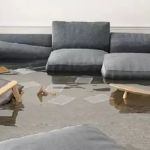 The Hidden Dangers of Water Damage and How to Avoid Them