
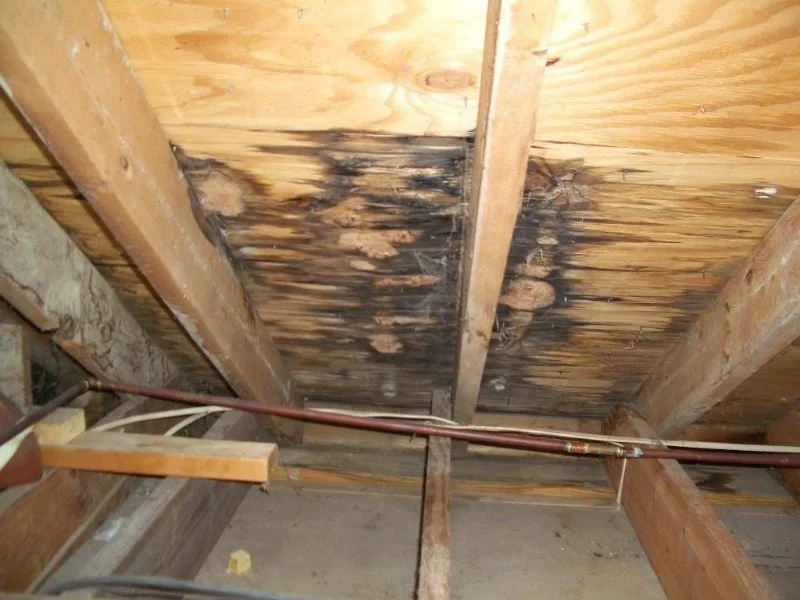
- identifying-water-damage - spotting-attic-water-leaks-and-damage-signs
- immediate-actions - emergency-steps-to-prevent-further-damage
- roof-inspection-and-diagnosis - assessing-the-source-of-leaks
- drying-and-dehumidification - controlling-moisture-to-prevent-mold
- structural-assessment - checking-beams-and-insulation-for-compromise
- repairing-damaged-materials - replacing-rotten-wood-and-soaked-insulation
- roof-repair-strategies - patching-shingles-and-sealing-flashing
- preventive-measures - long-term-strategies-to-avoid-future-leaks
- professional-consultation - when-to-hire-experts-for-complex-damage
- case-studies-and-real-life-examples - attic-water-damage-restoration-success-stories
1. Identifying Water Damage
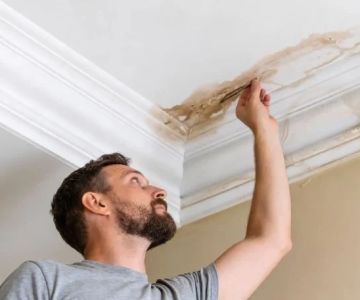
Spotting attic water damage early is crucial. Common signs include water stains on the ceiling, sagging insulation, dark spots on wooden beams, and musty odors. Homeowners often notice dripping during heavy rain or after a snowmelt. Ignoring these warning signs can lead to structural compromise and mold growth.
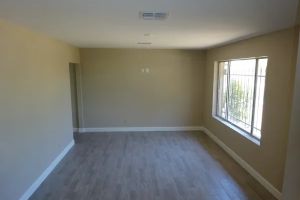
Kustom US Restoration / kustom restoration
1215 W Houston Ave Suite A, Gilbert, AZ 85233, USA
Visual and sensory cues
Inspect your attic regularly, particularly after storms. Look for discoloration on rafters or ceiling boards. Touch the insulation to check for dampness, and trust your sense of smell—persistent musty odors often indicate hidden moisture that could be breeding mold.
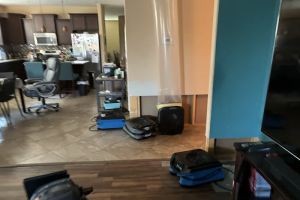
Drip Restoration / valleywide restoration mesa az
932 S Stapley Dr, Mesa, AZ 85204, USA
2. Immediate Actions
When water damage is discovered, immediate action can prevent further destruction. Use buckets or tarps to contain active leaks, and remove any items stored in the attic that could be damaged by water. Turn off electrical circuits if water is near wiring to avoid hazards.
Containment and safety
Swift containment limits the spread of water to other parts of the home. It is advisable to wear protective gloves and masks when handling wet materials to avoid exposure to contaminants and mold spores.
3. Roof Inspection and Diagnosis
Determining the source of the leak is essential for a permanent fix. Roof inspections should focus on damaged shingles, deteriorated flashing around chimneys and vents, clogged gutters, and worn seals. Pay attention to areas where snow or water might pool, as these are common leak points.
Identifying hidden issues
Some leaks may not have obvious entry points. Using water testing—spraying sections of the roof while someone observes from inside—can help locate hidden leaks. Consulting a roofing professional ensures an accurate diagnosis and avoids recurring issues.
4. Drying and Dehumidification
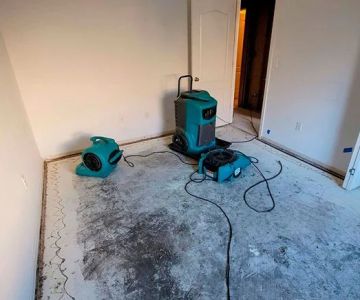
Once the leak is identified, the attic must be thoroughly dried to prevent mold. Use industrial fans, dehumidifiers, and proper ventilation to eliminate residual moisture. Removing damp insulation temporarily can accelerate the drying process and prevent further damage.
Moisture monitoring
Invest in a moisture meter to track the humidity levels in your attic. Maintaining relative humidity below 50% helps inhibit mold growth and keeps wood and insulation safe.
5. Structural Assessment
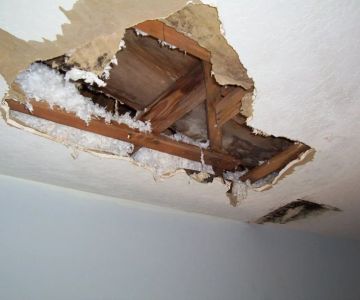
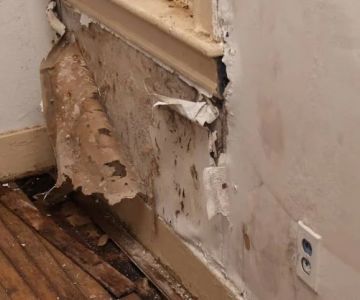
Inspect wooden beams, trusses, and the attic floor for warping, rot, or weakening. Prolonged exposure to water can compromise structural integrity, creating safety hazards. Identify areas requiring reinforcement or replacement before proceeding with cosmetic repairs.
Prioritizing safety
If beams are severely damaged, temporary supports or professional intervention may be necessary. Safety is paramount during attic repair, as compromised structures can pose risks to homeowners.
6. Repairing Damaged Materials
Water-soaked insulation should be removed and replaced with new, dry insulation. Wooden boards or beams affected by rot must be repaired or substituted. In some cases, treating wood with antifungal solutions can prevent mold regrowth if the damage is minimal.
Material selection and best practices
Choose high-quality, moisture-resistant materials for replacement. Proper installation of vapor barriers and insulation enhances attic resilience against future leaks.
7. Roof Repair Strategies
Repairing the roof is critical to prevent recurrence. Replace missing or damaged shingles, reseal flashing around vents, skylights, and chimneys, and ensure gutters and downspouts are clear to direct water away from the roof effectively.
Professional vs. DIY repairs
While minor shingle repairs can be done by homeowners, extensive roof damage warrants professional roofing services. Improper repairs can exacerbate leaks and lead to more severe water damage.
8. Preventive Measures
To avoid future leaks, conduct regular roof inspections, clean gutters, trim overhanging tree branches, and maintain attic ventilation. Using water-resistant coatings and periodic roof maintenance extends the lifespan of your roofing system.
9. Professional Consultation
Complex water damage or recurring leaks often require expert assessment. Roofing contractors and restoration specialists can provide long-term solutions, including roof replacement, structural reinforcement, and mold remediation. Consulting professionals ensures repairs meet safety and building standards.
10. Case Studies and Real-Life Examples
A homeowner in the Midwest experienced repeated attic leaks during heavy rains. By partnering with Reliable Damage Hub, the team identified a compromised flashing system and replaced rotting attic beams. The repair not only resolved the immediate leaks but also improved attic insulation and overall energy efficiency.
Another example involves an older home where minor leaks had gone unnoticed for years. Professional intervention revealed hidden mold growth and weakened roof trusses. With a combination of dehumidification, structural reinforcement, and roof replacement, the attic was fully restored, preventing potential safety hazards.
Addressing water damage promptly and thoroughly ensures the longevity of your roof and the safety of your home. With guidance from Reliable Damage Hub, homeowners can restore their attics effectively while preventing future issues, safeguarding both property and family well-being.
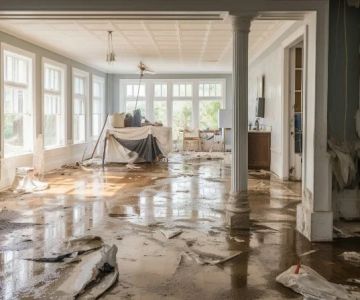
 Impire Commercial & Residential Services4.0 (53 reviews)
 United States Disaster Response L.C.5.0 (5 reviews)
 Roto-Rooter Plumbing & Water Cleanup4.0 (820 reviews)
 SERVPRO of Harrisburg West4.0 (363 reviews)
 Mr. Restore4.0 (138 reviews)
 Albany Environmental & Construction Group4.0 (33 reviews)
 Top 5 Water Damage Restoration Myths Debunked: What You Need to Know
 Water Damage Restoration for Hospitals and Healthcare Facilities: Essential Guide
 Water Damage Restoration for Industrial Offices
 How to Safely Clean Black Mold After Water Damage
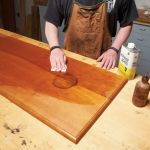 How to Restore Water-Damaged Wooden Furniture
 The Hidden Dangers of Water Damage and How to Avoid Them