
- 1. Introduction to Flooded Basements
- 2. Assessing the Damage
- 3. Safety Precautions for Flood Cleanup
- 4. Step-by-Step Cleanup Process
- 5. Repairing and Restoring Your Basement
- 6. Preventing Future Floods
1. Introduction to Flooded Basements
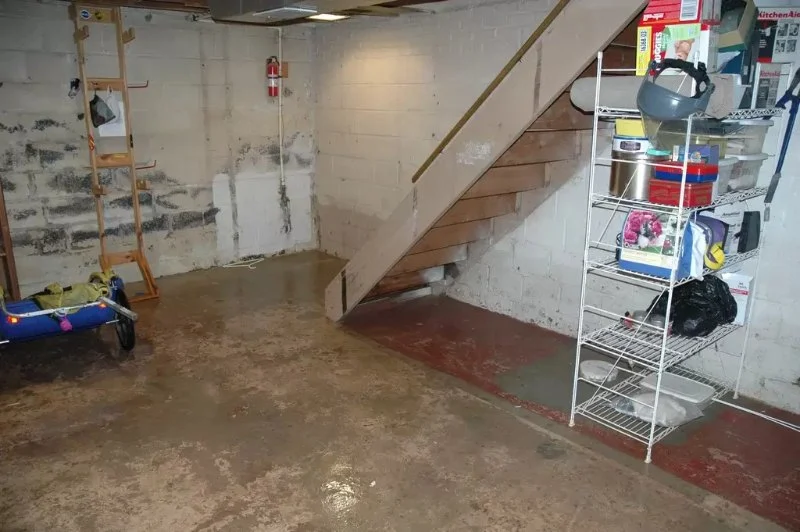
A flooded basement is one of the most frustrating and damaging events a homeowner can experience. Whether it's caused by a heavy storm, a burst pipe, or a natural disaster, dealing with water damage requires immediate action. If you’ve found yourself with a flooded basement, it's essential to handle the situation with care. Not only does water damage your property, but it can also create unsafe conditions and foster the growth of mold. In this guide, we’ll walk you through the steps to safely restore your flooded basement.

Wizard Restorations Inc / puroclean of san fernando
Rancho CucamongaSan Bernardino CountyCalifornia
10245 8th St, Rancho Cucamonga, CA 91730, USA
2. Assessing the Damage
Before diving into cleanup, it's crucial to assess the extent of the damage to ensure you're prepared for what’s ahead. Here’s how to evaluate your basement’s condition:
SERVPRO of Pompano Beach / servpro fort lauderdale south
Pompano BeachBroward CountyFlorida
2101 NW 33rd St #200a, Pompano Beach, FL 33069, USA
2.1 Identify the Water Source
First, determine where the water came from. Was it due to a flood, a broken pipe, or rainwater seeping through the foundation? Identifying the source will help you understand how extensive the damage is and how best to approach cleanup.
2.2 Check for Structural Damage
Look for any signs of structural damage in your basement. Inspect the walls, floors, and support beams for cracks or warping. Severe water exposure can weaken the structure of your home, so addressing any structural issues is a priority.
2.3 Assess Electrical Hazards
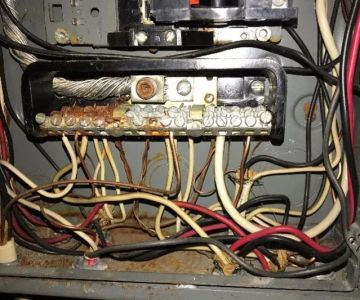
Flooded basements often involve electrical hazards, such as short circuits or exposed wires. Never attempt to touch electrical equipment if the floor is wet, as it could cause a serious electrical shock. Turn off the power to the basement at the main circuit breaker before you begin cleanup.
3. Safety Precautions for Flood Cleanup
Flood cleanup can be dangerous, especially if you don't take the right precautions. Follow these safety tips to protect yourself and others during the restoration process:
3.1 Wear Protective Gear
Make sure to wear rubber boots, gloves, and protective eyewear to keep yourself safe from contaminants in the floodwater. If the water has been sitting for a while, it could be contaminated with bacteria, mold spores, or chemicals.
3.2 Ventilate the Area
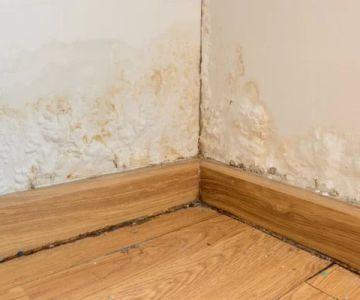
Mold can begin to grow within 24-48 hours in a damp environment. To prevent this, ventilate the area by opening windows and doors to allow fresh air to circulate. You can also use fans and dehumidifiers to help speed up the drying process.
3.3 Assess Potential Contaminants
If the water came from a sewage backup or other contaminated source, treat the area as hazardous. In this case, it's best to hire a professional to handle the cleanup.
4. Step-by-Step Cleanup Process
Now that you’ve assessed the damage and taken safety precautions, it’s time to start cleaning up. Here’s a step-by-step guide to help you restore your basement:
4.1 Remove Standing Water
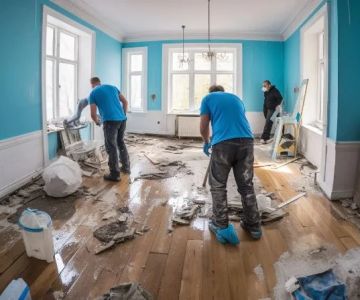
Use a sump pump or wet/dry vacuum to remove any standing water from the basement. If you don't have a pump, you can rent one from a hardware store. Work from the highest point to the lowest point to avoid pushing water into areas that are still dry.
4.2 Dry Out the Area
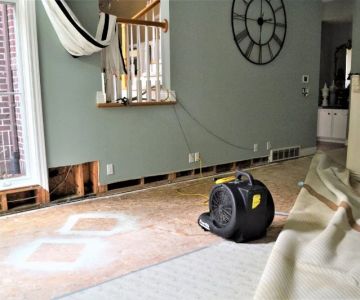
Once the water is removed, the next step is to dry the area thoroughly. Use dehumidifiers to reduce moisture levels and fans to circulate the air. The longer the basement stays wet, the greater the risk of mold and mildew growth.
4.3 Clean and Disinfect
Clean all surfaces affected by water. Use a mild detergent and disinfectant to remove any dirt, bacteria, or mold spores that may have started to grow. Pay special attention to porous materials like wood, carpet, and insulation, as they can retain moisture and become breeding grounds for mold.
4.4 Remove Damaged Materials
In some cases, certain materials like carpeting, drywall, and insulation may be too damaged to salvage. Remove and discard any materials that have been saturated by water to prevent further issues down the line.
5. Repairing and Restoring Your Basement
After cleanup, the next step is to repair and restore your basement. Here are some tasks that may be necessary:
5.1 Fix Structural Damage
If your foundation or walls were cracked or weakened by the flooding, consider hiring a contractor to perform any necessary repairs. This could involve patching up cracks, reinforcing beams, or replacing damaged sections of the foundation.
5.2 Install a Sump Pump or French Drain
To prevent future flooding, consider installing a sump pump or French drain to help divert water away from your home’s foundation. This will help manage water during heavy rains or floods and reduce the risk of water damage in the future.
5.3 Replacing Damaged Flooring and Insulation
If your flooring or insulation was damaged by the flood, you’ll need to replace it. Consider using water-resistant materials for future protection, such as vinyl or tile flooring, and closed-cell foam insulation that won’t absorb moisture.
6. Preventing Future Floods
Preventing basement floods in the future is crucial to avoiding the headaches and expenses of restoration. Here are some steps you can take to protect your basement:
6.1 Maintain Gutters and Downspouts
Ensure that your gutters and downspouts are clear of debris to allow water to flow freely. Blocked gutters can cause water to spill over and collect around the foundation of your home.
6.2 Seal Foundation Cracks
Inspect your basement for cracks in the foundation and seal any gaps that could allow water to enter. This will help keep your basement dry during heavy rains or floods.
6.3 Landscape Around the Foundation
Grade the soil around your home to slope away from the foundation. This will help direct water away from your basement and prevent pooling around the foundation.
Dealing with a flooded basement can be overwhelming, but by following these steps, you can restore your basement safely and effectively. For more expert advice and product recommendations for water damage restoration, visit 【Reliable Damage Hub】.
 Good Roads Water Damage Experts5.0 (1 reviews)
 R&R Foundation Specialist4.0 (305 reviews)
 MJ White4.0 (102 reviews)
 ATI Restoration3.0 (25 reviews)
 Modernistic4.0 (251 reviews)
 ServiceMaster Cleaning Services4.0 (27 reviews)
 Water Damage Restoration for Retail Spaces – Expert Tips and Real Cases
 How to Prevent and Repair Water Damage in Commercial Properties
 How to Protect Your Home’s Electrical System from Water Damage: Essential Tips
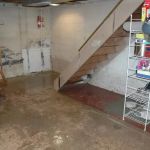 Flooded Basement? Here’s How to Restore It Safely
 How to Handle Water Damage After a Storm: A Step-by-Step Guide
 How to Handle Water Damage from Burst Pipes: A Step-by-Step Guide