
- Understanding Water Damage in Older Homes
- Common Causes of Water Damage in Old Homes
- How to Respond to Water Damage in Older Homes
- Steps for Restoring Your Home After Water Damage
- Preventing Water Damage in Your Older Home
Understanding Water Damage in Older Homes
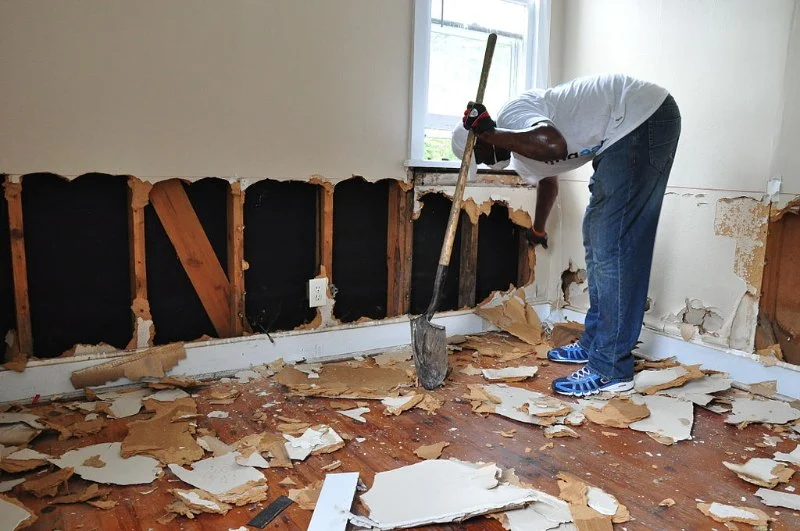
Water damage in older homes is a common issue, primarily due to the natural wear and tear that occurs over time. These homes often have outdated plumbing, roofing, and foundation materials, making them more susceptible to leaks and water intrusion. When left untreated, water damage can lead to costly repairs, structural damage, and even health hazards like mold growth.
Whether it’s from a sudden flood or gradual leaks, understanding the unique challenges of water damage in older homes is essential for homeowners to act swiftly and effectively. In this article, we’ll explore the causes, steps to address water damage, and preventive measures to protect your home.

Kustom US Restoration / kustom restoration
1215 W Houston Ave Suite A, Gilbert, AZ 85233, USA
Common Causes of Water Damage in Old Homes
Older homes face specific challenges when it comes to water damage. The following are some of the most common causes of water damage that homeowners of older properties should be aware of:
Giants / dry kings restoration of san francisco
San FranciscoSan Francisco CountyCalifornia
685 Geary Blvd, San Francisco, CA 94102, USA
1. Leaking Roofs
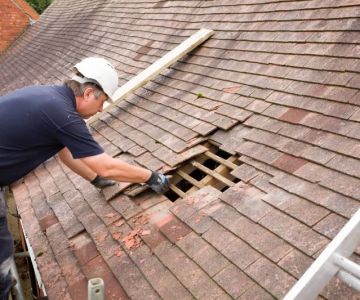
Over time, roofs in older homes can suffer from wear and tear, including damaged shingles, loose flashing, and cracked caulk. These issues can allow rainwater to infiltrate, leading to water stains on ceilings and walls, and in severe cases, structural damage.
2. Plumbing Failures
Outdated plumbing systems in older homes are more prone to leaks. Galvanized steel pipes, for instance, are susceptible to corrosion and can burst or leak, causing significant water damage to walls, ceilings, and floors.
3. Foundation Issues
The foundation of older homes may develop cracks over time due to settling, which can lead to water seepage during heavy rains. Water entering through the foundation can lead to basement flooding, wall damage, and potential structural instability.
4. Poor Drainage Systems
In older homes, the drainage systems around the property may not be as effective as modern systems. Blocked gutters, poorly graded landscapes, or damaged downspouts can cause water to pool around the foundation, increasing the risk of water damage in the basement or crawl spaces.
How to Respond to Water Damage in Older Homes
When water damage occurs in an older home, it’s crucial to act quickly to minimize the damage and prevent further complications, such as mold growth or structural degradation. Here’s what you should do:
1. Turn Off the Water Supply
If the damage is caused by a plumbing failure, the first step is to turn off the water supply to prevent further flooding. This can be done by locating the main water shut-off valve, which is usually in the basement or near the water meter.
2. Assess the Damage
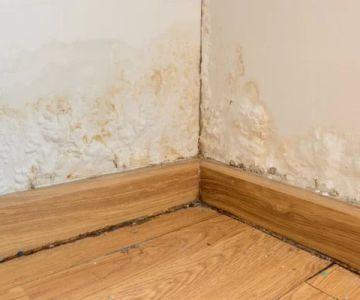
Once the water flow has stopped, inspect the affected area for visible signs of damage. Look for damp patches, discoloration, and any signs of structural damage, such as warped flooring or swollen drywall.
3. Remove Water Quickly
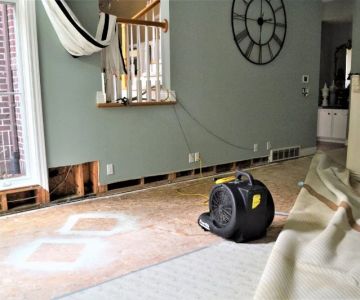
The faster you remove standing water, the less likely it is to cause extensive damage. Use a wet/dry vacuum or hire a water damage restoration professional to remove water from the affected areas. Be sure to also ventilate the area by opening windows and using fans to help dry out the space.
4. Call a Professional Restoration Service
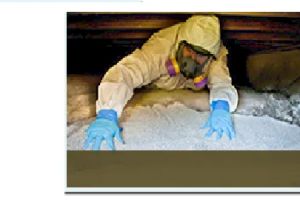
For significant water damage, it’s often best to contact a professional water damage restoration company. These experts have the equipment and experience needed to assess the damage thoroughly and perform necessary repairs, such as drying out walls, floors, and insulation, to prevent long-term issues.
Steps for Restoring Your Home After Water Damage
Once the immediate flooding is under control, the restoration process can begin. Here’s a general guide for restoring your home:
1. Dry the Area Thoroughly
After water removal, it’s critical to dry the affected areas thoroughly to avoid mold growth. Professional restoration services often use industrial-grade dehumidifiers and air movers to speed up the drying process.
2. Repair Structural Damage
If the water damage has caused structural issues like warped floors, sagging ceilings, or compromised walls, these need to be repaired. Depending on the severity, you may need to replace drywall, floors, or even structural beams.
3. Remove and Replace Damaged Materials
Waterlogged carpets, insulation, and fabrics can harbor mold and bacteria. These materials should be removed and replaced. If the water damage is minor, you may be able to salvage some of your belongings with proper cleaning and drying.
4. Address Mold and Mildew
Mold can develop quickly in damp environments, especially in older homes. If you spot any signs of mold, it’s important to address it right away by cleaning affected surfaces and, if necessary, hiring a professional mold remediation service to ensure complete removal.
Preventing Water Damage in Your Older Home
Taking proactive steps to prevent water damage is much easier than dealing with the aftermath. Here are some essential preventive measures you can take to protect your older home from water damage:
1. Regular Roof Inspections
Inspect your roof regularly for signs of wear, including missing shingles, damaged flashing, and cracks. Perform necessary repairs promptly to prevent water from leaking into your home.
2. Upgrade Your Plumbing
If your home still has old plumbing, consider upgrading to more modern, durable materials like copper or PEX pipes. This will significantly reduce the risk of leaks and burst pipes.
3. Maintain Gutters and Downspouts
Ensure that your gutters are clean and free of debris. Clogged gutters can lead to water overflowing and pooling around the foundation. Consider installing gutter guards to reduce maintenance.
4. Improve Foundation Drainage
Proper drainage around your home’s foundation is essential to prevent water seepage. Check for any landscaping issues that may cause water to pool near the foundation, and ensure that your downspouts direct water away from your home.
By following these tips, you can protect your older home from water damage and extend its lifespan. If you’re dealing with water damage or need expert help, visit [Reliable Damage Hub](https://www.reliabledamagehub.com) for trusted products and professional restoration services.
 Good Roads Water Damage Experts5.0 (1 reviews)
 R&R Foundation Specialist4.0 (305 reviews)
 MJ White4.0 (102 reviews)
 ATI Restoration3.0 (25 reviews)
 Modernistic4.0 (251 reviews)
 ServiceMaster Cleaning Services4.0 (27 reviews)
 Water Damage Restoration for Retail Spaces – Expert Tips and Real Cases
 How to Prevent and Repair Water Damage in Commercial Properties
 How to Protect Your Home’s Electrical System from Water Damage: Essential Tips
 Flooded Basement? Here’s How to Restore It Safely
 How to Handle Water Damage After a Storm: A Step-by-Step Guide
 How to Handle Water Damage from Burst Pipes: A Step-by-Step Guide