
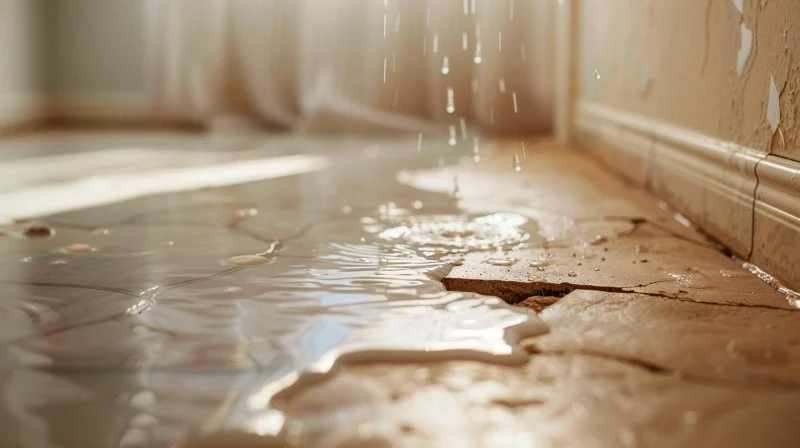
- Why Water Damage Happens During Storms
- Steps to Prevent Water Damage
- Common Water Damage Problems
- How to Prepare Your Home for a Storm
- How Reliable Damage Hub Can Help
Why Water Damage Happens During Storms
Water damage during storms is a common and often expensive issue for homeowners. The primary causes of water damage are heavy rainfall, high winds, and poor drainage systems that fail to properly channel rainwater away from the home. These weather conditions can lead to roof leaks, flooding in basements, and water seepage into walls and foundations.
Understanding the causes of water damage is the first step toward prevention. Storms bring high volumes of water that can overwhelm a home’s defenses. When gutters become clogged, or windows are not properly sealed, water can easily infiltrate and cause significant damage. Furthermore, the pressure from strong winds can loosen roofing tiles or break windows, allowing water to enter the home.

Kustom US Restoration / kustom restoration
1215 W Houston Ave Suite A, Gilbert, AZ 85233, USA
Steps to Prevent Water Damage
Preventing water damage requires a proactive approach to ensure your home is well-protected before, during, and after a storm. Here are some steps to reduce the risk of water damage:
SERVPRO of Pompano Beach / servpro of santa maria
Pompano BeachBroward CountyFlorida
2101 NW 33rd St #200a, Pompano Beach, FL 33069, USA
1. Maintain Your Roof
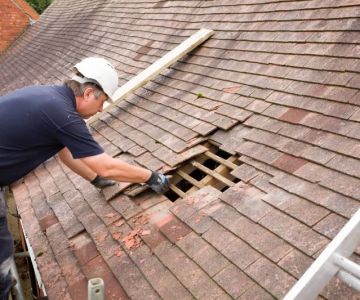
Regular roof inspections are crucial in preventing water from entering your home. Check for missing or damaged shingles and get them replaced. Keep your roof in top condition by removing debris and ensuring that gutters and downspouts are clear of leaves and other obstructions. This allows water to flow freely off your roof and away from your home.
2. Check Windows and Doors
Seal all windows and doors to prevent water from seeping through cracks. During stormy weather, wind-driven rain can enter even the smallest gap. Installing weatherstripping or caulking around windows and doors can keep water from infiltrating your home. Additionally, consider installing storm shutters or impact-resistant windows for added protection during severe storms.
3. Improve Home Drainage
Proper drainage is essential to avoid water pooling around your home. Ensure that your yard slopes away from your foundation to direct rainwater away from the house. Install and maintain a functional drainage system, such as French drains or sump pumps, to prevent flooding in basements or crawl spaces. Regularly inspect and clean gutters and downspouts to avoid clogging, which can cause water to back up and flow into your home.
4. Check Your Attic
Water can accumulate in your attic if there are leaks in the roof or issues with the insulation. Check your attic regularly for any signs of moisture, such as mold growth or water stains. Insulating your attic can also help prevent ice dams, which can cause water to back up and leak into your home.
Common Water Damage Problems
Even with the best precautions, water damage can still occur. Here are some common issues homeowners face during and after storms:
1. Roof Leaks
Roof leaks are one of the most common sources of water damage during storms. Even small leaks can lead to major structural damage, including rotting beams, insulation damage, and mold growth. A small crack in the roof can allow rainwater to seep in, affecting the interior of the home. Always ensure your roof is well-maintained to prevent leaks from forming.
2. Flooded Basements
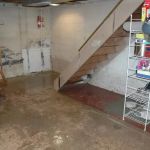
Heavy rainfall or poor drainage systems can lead to basement flooding. When water infiltrates the basement, it can damage walls, flooring, and personal items. A flooded basement can lead to the growth of mold, making it a potential health hazard. Install a sump pump to help remove water in the event of flooding.
3. Window Leaks
Windows are a common entry point for water during storms, especially if they are not properly sealed. Water can leak through gaps or cracks around windows, causing damage to window frames, walls, and flooring. Installing storm windows or adding window treatments that help repel rain can significantly reduce the risk of water damage.
How to Prepare Your Home for a Storm
Proper preparation can significantly minimize the damage caused by storms. Here’s how you can get your home ready:
1. Secure the Roof and Windows
Before a storm hits, ensure your roof is in good condition and that your windows are securely closed and sealed. Install storm shutters or impact-resistant glass for added protection. Reinforce your roof structure if necessary to withstand high winds.
2. Remove Debris
Clear your yard of any debris, such as leaves, branches, and outdoor furniture, that could block drainage systems or become airborne during the storm. Trim trees and shrubs near your home to prevent branches from breaking and causing damage to the roof or windows.
3. Check Gutters and Downspouts
Before the storm, make sure your gutters and downspouts are clear of debris. This ensures that rainwater can flow freely through the system, reducing the risk of water backup and flooding.
How Reliable Damage Hub Can Help
If water damage does occur during a storm, it’s important to act quickly to prevent further harm. At Reliable Damage Hub, we provide expert advice on repairing water damage and preventing future issues. We also offer top-quality roofing solutions, drainage systems, and storm preparation tools to protect your home.
Trust Reliable Damage Hub to help you safeguard your home from storm-related water damage. Visit us today for the best products and services designed to protect your property during storm season.

 Good Roads Water Damage Experts5.0 (1 reviews)
 R&R Foundation Specialist4.0 (305 reviews)
 MJ White4.0 (102 reviews)
 ATI Restoration3.0 (25 reviews)
 Modernistic4.0 (251 reviews)
 ServiceMaster Cleaning Services4.0 (27 reviews)
 Water Damage Restoration for Retail Spaces – Expert Tips and Real Cases
 How to Prevent and Repair Water Damage in Commercial Properties
 How to Protect Your Home’s Electrical System from Water Damage: Essential Tips
 Flooded Basement? Here’s How to Restore It Safely
 How to Handle Water Damage After a Storm: A Step-by-Step Guide
 How to Handle Water Damage from Burst Pipes: A Step-by-Step Guide