
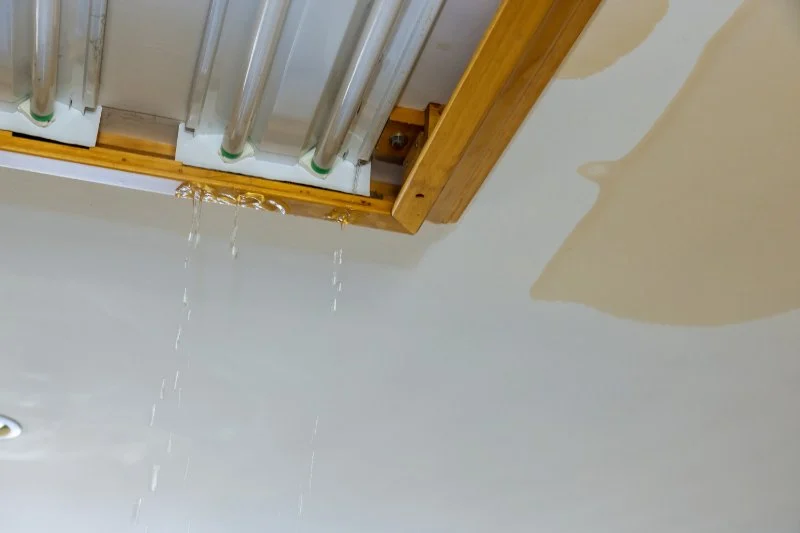
How to Prevent Water Damage from Plumbing Leaks in Your Garage
Plumbing leaks in your garage can lead to significant water damage if left unchecked. Not only does this damage your garage and possessions, but it can also lead to mold growth and expensive repairs. The key to preventing such damage is early detection, quick action, and proper maintenance. In this article, we will explore how to effectively prevent water damage caused by plumbing leaks in your garage and how to handle the issue if it arises.
- 1. Understanding Water Damage from Plumbing Leaks
- 2. Common Sources of Plumbing Leaks in the Garage
- 3. Preventive Measures to Avoid Water Damage
- 4. How to Repair Plumbing Leaks in the Garage
- 5. When to Get Professional Help for Plumbing Leaks
1. Understanding Water Damage from Plumbing Leaks
Water damage from plumbing leaks can cause long-term harm to your garage and its contents. When a pipe begins to leak, even a small amount of water over time can seep into walls, flooring, and insulation, leading to structural damage. If left untreated, this water can promote the growth of mold and mildew, creating health hazards in your home.
Additionally, leaks can cause rusting of metal tools or other garage items and ruin any stored items sensitive to moisture. Understanding the risks and taking proactive steps to manage plumbing leaks is crucial for maintaining the integrity of your garage and preventing expensive repairs.

Wizard Restorations Inc / puroclean of san fernando
Rancho CucamongaSan Bernardino CountyCalifornia
10245 8th St, Rancho Cucamonga, CA 91730, USA
2. Common Sources of Plumbing Leaks in the Garage
Plumbing leaks in the garage are more common than you might think. Knowing where to look can help you spot potential issues early, saving you time and money in the long run. Here are some common sources of plumbing leaks in the garage:
- Old or Worn Pipes: Over time, the pipes in your garage can deteriorate, especially if they are made of older materials like copper or galvanized steel. Cracks and corrosion can develop, leading to leaks.
- Faulty Connections: If the connections between pipes and faucets are improperly installed or become loose over time, they can cause leaks.
- Water Heater Leaks: Water heaters are often located in garages, and over time, they can develop leaks due to corrosion or excessive pressure.
- Clogged Drainage Systems: If your garage has a drainage system that gets clogged, it can lead to standing water and potential leaks from burst pipes or overflows.
3. Preventive Measures to Avoid Water Damage
Preventing water damage from plumbing leaks in your garage starts with proper maintenance and regular inspections. Here are some effective preventive measures:
- Inspect Pipes Regularly: Check your garage’s plumbing for any signs of leaks, cracks, or corrosion. Pay attention to visible pipes and connections, especially near joints and fittings.
- Maintain Your Water Heater: Have your water heater checked regularly for leaks or signs of wear and tear. Flush your water heater annually to remove sediment buildup and extend its lifespan.
- Install Leak Detectors: Install water leak detectors in your garage to alert you to any potential issues early. These devices can help you take quick action before water damage becomes extensive.
- Seal Cracks and Gaps: Seal any cracks or gaps in your garage floor or walls to prevent water from seeping in from outside or from leaky pipes inside the garage.
- Ensure Proper Drainage: Make sure that the garage floor slopes slightly toward a drain or out of the garage to prevent water from pooling inside after heavy rain or cleaning.
4. How to Repair Plumbing Leaks in the Garage
If you discover a plumbing leak in your garage, addressing it quickly can prevent further damage. Here’s a basic guide on how to repair common plumbing leaks:
- For Small Pipe Leaks: If the leak is small and the pipe is accessible, you can use a pipe repair clamp or patch kit. Simply dry the area around the leak and apply the patch according to the product instructions.
- For Major Pipe Leaks: If the leak is significant or in a hard-to-reach area, you may need to replace the damaged section of pipe. This typically requires turning off the water supply, draining the pipes, and cutting out the damaged section before installing a new pipe.
- For Water Heater Leaks: If your water heater is leaking, check the valve connections, temperature setting, and pressure relief valve. If the leak persists, you may need to replace the water heater or call a professional for repairs.
5. When to Get Professional Help for Plumbing Leaks
While many small leaks can be fixed with DIY methods, some situations require the expertise of a professional plumber. If you notice the following signs, it’s best to call a plumber:
- Large Leaks: If the leak is large or difficult to access, a professional can quickly identify the source and repair the damage.
- Multiple Leaks: If you’re experiencing multiple leaks throughout your garage or home, this could indicate a larger plumbing issue that needs professional attention.
- Water Heater Failure: If your water heater is leaking or malfunctioning, a plumber can assess the situation and recommend whether repair or replacement is necessary.
Getting timely help from a professional ensures that the plumbing problem is resolved efficiently, preventing further damage and costly repairs.
In conclusion, preventing water damage from plumbing leaks in your garage requires proactive measures, timely inspections, and quick repairs. By taking the right steps, you can protect your garage and belongings from the devastating effects of water damage. For more tips, expert advice, and reliable products to help with home maintenance, visit Reliable Damage Hub for the best resources and recommendations.
 SERVPRO of East Portland4.0 (65 reviews)
 Bio LLC5.0 (42 reviews)
 Patrick Family Chem-Dry5.0 (263 reviews)
 EnviroShield5.0 (3 reviews)
 SERVPRO of Elk Grove5.0 (60 reviews)
 Camelot Emergency Water Removal4.0 (262 reviews)
 How to Prevent Water Damage From Heavy Rainfall – Effective Home Protection Tips
 Top 5 Water Damage Restoration Myths Debunked
 How to Deal With Water Damage From Roof Ice Dams: Prevention and Repair Tips
 Why It's Important to Address Water Damage Immediately | Home Repair Tips
 Water Damage Repair for Attics and Roof Spaces
 Water Damage Restoration Techniques for Large Homes in the U.S.