
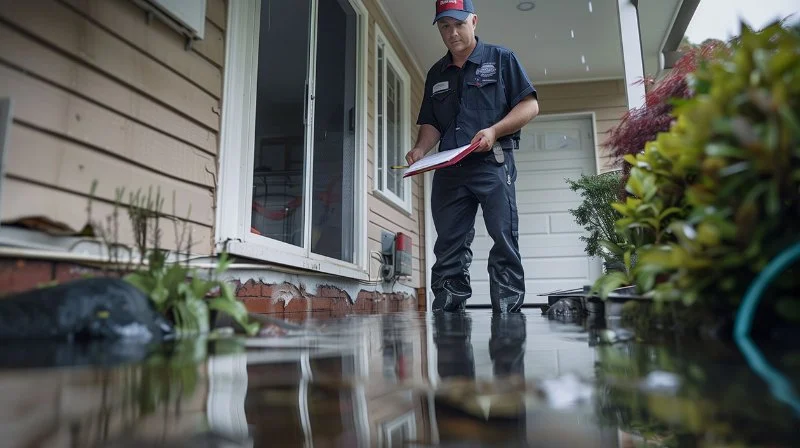
How to File an Insurance Claim for Water Damage Restoration
- Understanding Water Damage Coverage
- Steps to File a Water Damage Insurance Claim
- Common Mistakes to Avoid When Filing a Claim
- How to Document Water Damage for Insurance
- Real-Life Examples of Successful Water Damage Claims
Understanding Water Damage Coverage
When your home suffers water damage, whether due to a burst pipe, a leaking roof, or flooding, filing an insurance claim can help you recover some or all of the repair costs. However, before you file a claim, it’s important to understand what your homeowner’s insurance policy covers when it comes to water damage. Not all water damage is created equal, and the type of water damage you’ve experienced can significantly impact your claim.
For example, most policies will cover water damage caused by sudden and accidental events, such as a burst pipe or a broken appliance. However, water damage caused by long-term issues, such as slow leaks or lack of maintenance, may not be covered. Flooding, which typically requires separate flood insurance, is often excluded from standard policies. Understanding the specifics of your coverage will help you avoid surprises when filing a claim.
SERVPRO of Pompano Beach / servpro fort lauderdale south
Pompano BeachBroward CountyFlorida
2101 NW 33rd St #200a, Pompano Beach, FL 33069, USA
Steps to File a Water Damage Insurance Claim
Filing an insurance claim for water damage can be overwhelming, but following these steps can make the process smoother and ensure you get the compensation you're entitled to.
Giants / dry kings restoration of san francisco
San FranciscoSan Francisco CountyCalifornia
685 Geary Blvd, San Francisco, CA 94102, USA
1. Assess the Damage and Contact Your Insurer
Once you notice water damage, it’s important to act quickly. Contact your insurance company as soon as possible to inform them about the damage. Many insurers have 24/7 claims services for emergencies. Provide details about the event that caused the damage (e.g., a burst pipe, a storm), and ask them what documentation is needed to process your claim.
2. Mitigate Further Damage
Your policy likely requires you to take steps to prevent further damage. This could include shutting off the water supply, using towels to soak up excess water, or covering holes with plastic sheets. Keep receipts for any temporary repairs you make, as they may be reimbursed by your insurer.
3. File the Claim
Once you’ve assessed the damage and taken the necessary steps to prevent further issues, file your claim. Be sure to provide your insurer with all required information, including photographs of the damage, a description of the incident, and any repairs you’ve made so far. The sooner you file, the quicker the process can begin.
4. Meet with the Adjuster
Your insurer will likely send an adjuster to inspect the damage. Be present for the inspection and ensure the adjuster sees all of the damage. Take notes during the meeting, and ask questions about anything you don’t understand. This step is crucial for ensuring that all damage is properly accounted for in the claim.
5. Review the Settlement Offer
After the adjuster has completed their inspection, you will receive a settlement offer. Review this carefully. If you disagree with the offer or feel it doesn’t adequately cover the repairs, you can negotiate with the insurance company. It may also be helpful to get estimates from contractors to support your claim and negotiate a higher payout if necessary.
Common Mistakes to Avoid When Filing a Claim
Filing an insurance claim for water damage can be complicated, and there are several common mistakes homeowners make that can delay or even deny their claim. Here are a few to watch out for:
1. Failing to Document the Damage
Proper documentation is crucial for your claim. Take photographs or videos of the damage before making any repairs, as this provides evidence of the extent of the damage. Missing documentation can lead to delays or denials, as the insurer needs proof to process the claim.
2. Not Reporting the Damage Promptly
Delaying the reporting of water damage can work against you. Most insurance policies have strict timelines for filing a claim. Waiting too long could result in a partial or complete denial of your claim, so contact your insurer as soon as you notice the damage.
3. Underestimating the Cost of Repairs
Many homeowners underestimate the cost of repairs and may not ask for enough coverage. To avoid this, get multiple repair estimates and be realistic about the scope of repairs needed. Your insurer may cover part of the cost, but it’s important to ensure your estimate includes all aspects of the restoration.
How to Document Water Damage for Insurance
Properly documenting water damage is essential to the success of your claim. Here’s how to do it effectively:
1. Take Photos and Videos
Photographs and videos are the best forms of documentation. Capture the entire affected area and any visible damage. Include close-ups of significant damage, such as cracks, stains, and water pooling. If possible, take photos of items that may need to be replaced due to water damage.
2. Keep a Detailed List of Damaged Items
In addition to photographs, maintain a detailed inventory of the items affected by water damage, including furniture, electronics, and personal belongings. Note the estimated value and the extent of the damage. This will help ensure that you receive fair compensation for your lost property.
3. Save All Receipts
If you make any temporary repairs, save receipts for materials purchased, such as tarps or repair supplies. Some insurance policies will reimburse you for these costs, so it’s essential to keep a record of all expenses related to the damage.
Real-Life Examples of Successful Water Damage Claims
Here are a couple of real-life examples of homeowners who successfully filed claims for water damage restoration:
Case Study 1: Burst Pipe in a Winter Storm
A homeowner in New York experienced a burst pipe due to a winter storm. They contacted their insurance company immediately and documented the damage. The insurance adjuster arrived quickly and approved the claim after reviewing the photos and estimates. The homeowner was able to have the pipes repaired and the water damage restored without out-of-pocket costs.
Case Study 2: Leaking Roof from Heavy Rain
Another homeowner in California noticed water dripping from the ceiling after a heavy rainstorm. They immediately reported the damage and took detailed photos. The insurance company quickly processed the claim, and the homeowner received enough compensation to repair the roof and restore the damaged ceiling and walls.
If you’re dealing with water damage, visiting Reliable Damage Hub can help you find the best services and products for water damage restoration, ensuring that your home is restored efficiently and quickly.

 Good Roads Water Damage Experts5.0 (1 reviews)
 R&R Foundation Specialist4.0 (305 reviews)
 MJ White4.0 (102 reviews)
 ATI Restoration3.0 (25 reviews)
 Modernistic4.0 (251 reviews)
 ServiceMaster Cleaning Services4.0 (27 reviews)
 Water Damage Restoration for Retail Spaces – Expert Tips and Real Cases
 How to Prevent and Repair Water Damage in Commercial Properties
 How to Protect Your Home’s Electrical System from Water Damage: Essential Tips
 Flooded Basement? Here’s How to Restore It Safely
 How to Handle Water Damage After a Storm: A Step-by-Step Guide
 How to Handle Water Damage from Burst Pipes: A Step-by-Step Guide