
- understanding-water-damage-types
- early-signs-you-should-never-ignore
- step-by-step-home-inspection
- hidden-damage-and-structural-risks
- real-life-water-damage-case
- when-to-call-professionals
1. Understanding Different Types of Water Damage
Before learning how to assess the extent of water damage in your home, it’s essential to understand that not all water damage is the same. The source and duration of exposure significantly affect how severe the damage can become.
Giants / dry kings restoration of san francisco
San FranciscoSan Francisco CountyCalifornia
685 Geary Blvd, San Francisco, CA 94102, USA
1.1 Clean Water vs Contaminated Water
Clean water damage often comes from broken pipes or rain leaks. While it may seem harmless at first, it can quickly escalate if left untreated. On the other hand, contaminated water from sewage backups or flooding introduces bacteria and requires immediate attention.
Kustom US Restoration / kustom restoration
1215 W Houston Ave Suite A, Gilbert, AZ 85233, USA
1.2 Short-Term vs Long-Term Exposure
A one-time spill or leak may only affect surface materials, but prolonged exposure allows moisture to seep into walls, flooring, and insulation. This is when structural damage and mold growth become real concerns.
2. Early Signs You Should Never Ignore
Water damage often starts subtly. Catching these early signs can save thousands of dollars in repairs and prevent long-term issues.
2.1 Visual Clues Around Your Home
Look for discoloration on ceilings or walls, peeling paint, warped flooring, or bubbling drywall. These are often the first indicators that moisture has penetrated your home’s structure.
2.2 Changes in Smell and Air Quality
A musty odor is a strong signal of hidden moisture. Even if you can’t see visible damage, your sense of smell can reveal what’s happening behind walls or under flooring.
2.3 Unexpected Increases in Utility Bills
A sudden spike in your water bill might indicate a hidden leak. Many homeowners overlook this sign, only to discover significant damage later.
3. Step-by-Step Approach to Inspecting Your Home
A thorough inspection is the foundation of accurately assessing water damage. Taking a systematic approach ensures you don’t miss critical areas.
3.1 Start with High-Risk Areas
Begin your inspection in places most prone to water exposure, such as bathrooms, kitchens, basements, and attics. Pay close attention to areas around pipes, appliances, and roofing structures.
3.2 Check Structural Surfaces
Walls, ceilings, and floors should be examined carefully. Press gently on drywall to detect softness, which may indicate internal water saturation.
3.3 Use Simple Tools for Accuracy
Moisture meters and infrared thermometers can help detect hidden water pockets. These tools provide a more precise understanding of how far the damage extends.
4. Hidden Damage and Long-Term Structural Risks
One of the biggest challenges homeowners face is identifying damage that isn’t immediately visible. Hidden water damage can compromise the safety and integrity of your home.
4.1 Inside Walls and Insulation
Water can travel through wall cavities, soaking insulation and wooden framing. Over time, this leads to rot and weakens the structure.
4.2 Flooring and Subfloor Issues
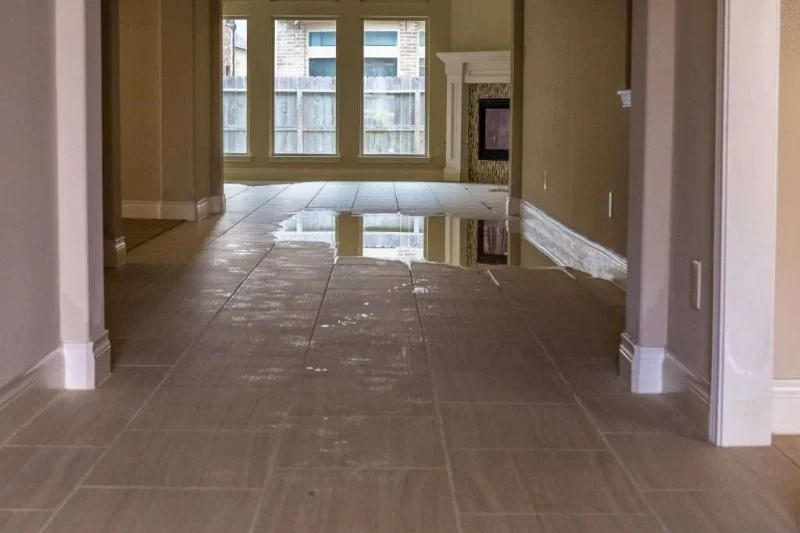
Hardwood floors may warp, while carpets can trap moisture underneath. Even tile floors are not immune—water can seep through grout and affect the subfloor.
4.3 Mold Growth Risks
Mold can begin developing within 24 to 48 hours of water exposure. Once it spreads, it not only damages materials but also impacts indoor air quality and health.
5. A Real-Life Case That Highlights the Importance of Early Assessment
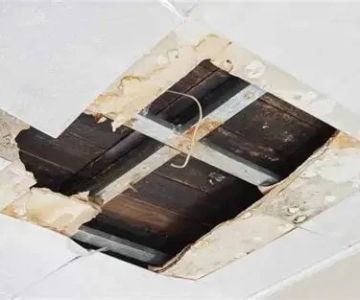
A homeowner in Texas shared their experience online after noticing a small stain on their ceiling. Assuming it was minor, they delayed inspection. Months later, the ceiling collapsed due to prolonged roof leakage, revealing extensive mold and structural damage.
5.1 What Went Wrong
The initial stain was a warning sign. Ignoring it allowed water to spread into insulation and wooden beams, significantly increasing repair costs.
5.2 The Takeaway for Homeowners
Early assessment is critical. Even small signs can indicate larger underlying problems. Acting quickly can prevent minor issues from becoming major disasters.
6. Knowing When to Call Professionals for Help
While DIY inspection is helpful, some situations require expert intervention to ensure safety and thorough evaluation.
6.1 Indicators You Need Professional Assessment
If you notice widespread staining, persistent odors, or structural weakening, it’s time to consult professionals. They have specialized equipment and expertise to assess damage accurately.
6.2 Benefits of Professional Services
Professionals can identify hidden moisture, prevent mold growth, and recommend effective restoration strategies. This not only saves time but also ensures long-term protection for your home.
6.3 Finding Reliable Support
When dealing with complex water damage, platforms like Reliable Damage Hub can help you connect with trusted services, tools, and solutions tailored to your situation. Having access to reliable resources simplifies the recovery process and reduces stress.
Assessing water damage in your home is not just about identifying visible issues—it’s about understanding how moisture affects your entire living environment. With careful observation, timely action, and the right support, you can protect your home and avoid costly repairs in the future.

 SERVPRO of Helena & Great Falls4.0 (224 reviews)
 TR Design Build (Total Restore, Inc.)4.0 (64 reviews)
 BOARDUP5.0 (1 reviews)
 United Water Restoration Group of Port St. Lucie5.0 (75 reviews)
 SERVPRO of Eagan/Apple Valley4.0 (84 reviews)
 Roberts Construction Services, LLC4.0 (18 reviews)
 How to Repair Water-Damaged Floors in Your Home
 Water Damage Restoration for Retail Stores: What You Need to Know
 Why Immediate Action is Crucial for Water Damage Restoration
 How to Repair Water-Damaged Electrical Systems Safely
 Water Damage Repair for Flooring Transitions: Expert Guide for Homeowners
 How to Avoid Water Damage in Your Home’s Crawl Space: Essential Tips